
Last updated October 15, 2026
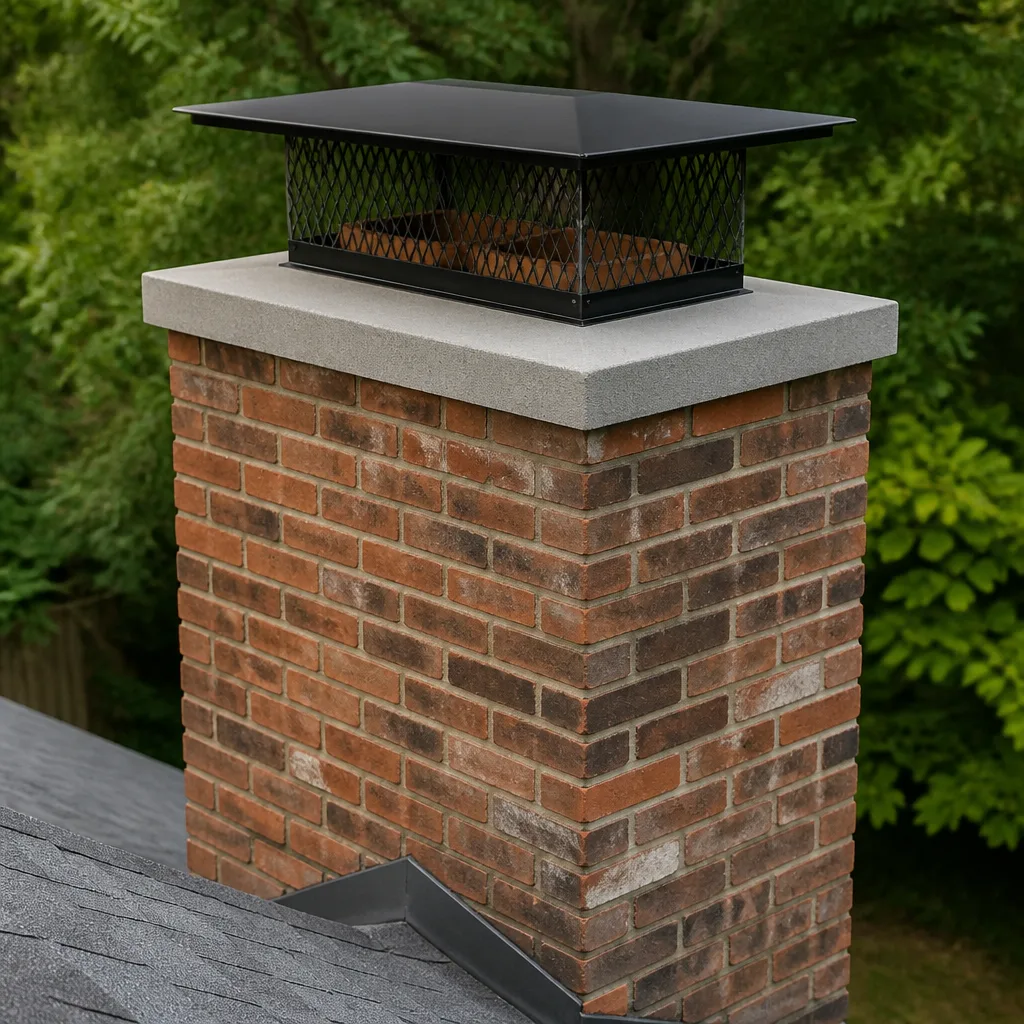 Caps & crowns
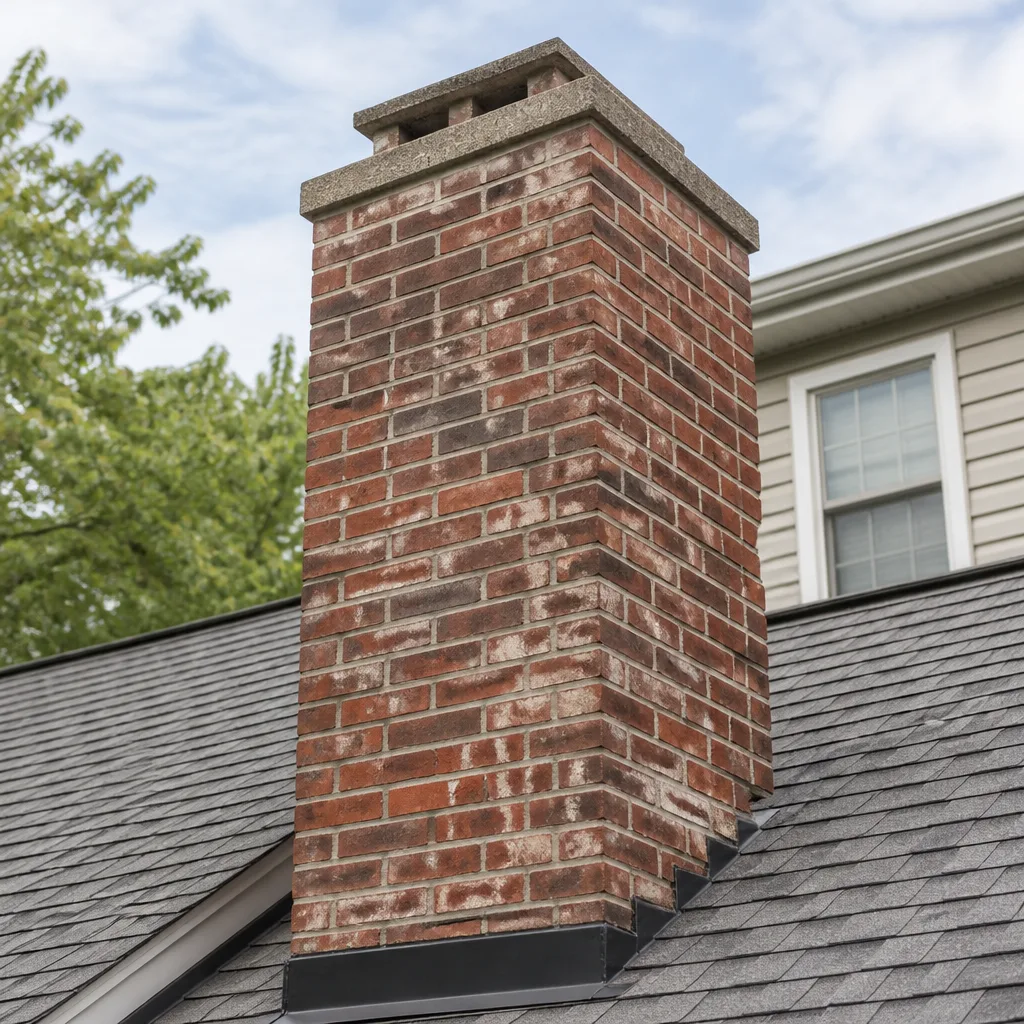 Masonry repair
Level 1 sweep and inspection to the NFPA 211 annual standard - flue, crown, cap, and flashing checked and photographed
Chimney sweep logs do not sweep chimneys. They loosen some creosote - which then falls where a brush and vacuum still have to collect it.
Chimney Cleaning Permits, Codes & Inspections in FL: What You Need to Know
Chimney cleaning itself doesn’t need a permit in Florida, but if your sweep finds a cracked flue liner and replaces it without pulling one, that unpermitted repair becomes your problem the day you list your house for sale. Most Tampa homeowners only discover this distinction during a title search, when a buyer’s inspector flags work that was never filed with Hillsborough County. This guide draws the precise line between inspection-only services and repair work that triggers a permit, explains the Florida Building Code and NFPA 211 in plain language, and shows you exactly how to check your own address before anyone climbs onto your roof. For a deeper dive, see The Complete Guide to Chimney Cleaning in Tampa.
Styles & brands we work with
Quick Answer
Routine chimney sweeping, visual inspections, and basic level 1 camera checks require no permit anywhere in Florida, including throughout Tampa and Hillsborough County. A permit is required when work changes the chimney’s structure or fire safety system, meaning liner replacement, firebox rebuilding, flue modification, or installing a new chimney cap and damper assembly. Before hiring anyone for repair work, check your address on the Hillsborough County permit portal so you aren’t the one holding an unpermitted chimney when you go to sell.
Table of Contents
- What Chimney Work Is Permit-Exempt in Florida
- What Chimney Work Requires a Hillsborough County Permit
- How Florida Building Code Chapter 10 Applies to Your Chimney
- What NFPA 211 Is and Why It Governs Chimney Work Even When Local Code Is Silent
- How to Look Up Permit History on Your Tampa Address
- The Insurance Angle: Unpermitted Repairs and Your Homeowner’s Claim
- What Chimney Inspections Cost in Tampa and What They Include
- Common Mistakes to Avoid
- When to Call a Professional
- Frequently Asked Questions
- The Bottom Line
What Chimney Work Is Permit-Exempt in Florida
Florida treats chimney cleaning and inspection the same way it treats gutter cleaning or pressure washing: as maintenance, not construction. The state’s building code doesn’t regulate who can sweep a chimney or inspect it, which means no permit application, no plan review, and no final inspection from the county. For Tampa homeowners, that covers the annual sweep most houses need before burning season and the level 1 visual inspection that accompanies it.
Here’s the full list of chimney services that require no permit anywhere in Florida:
- Chimney sweeping – removing creosote (the flammable tar buildup that makes chimneys a fire risk) and soot from the flue, smoke chamber, and firebox.
- Level 1 visual inspection – the standard check performed during a routine cleaning, looking at accessible portions of the chimney interior and exterior.
- Level 2 camera inspection – running a camera through the flue to check for cracks, gaps, or blockages. No permit needed because nothing is altered.
- Smoke test or draft test – verifying the chimney draws properly without any physical change to the structure.
- Creosote treatment – applying chemical treatments that break down existing creosote deposits. This falls under maintenance, not structural work.
- Minor caulking and sealing – resealing the crown or flashing joints with silicone or mortar patch where the existing structure remains intact.
The key distinction is whether the work changes, replaces, or rebuilds any part of the chimney. If nothing is altered, no permit is filed, and you won’t find anything in the county’s records because nothing should be there. We bring this up because we regularly talk to Tampa homeowners who assume a “chimney permit” is a thing that exists for all chimney work. It isn’t. Florida has no such requirement for maintenance-level service, which is why a simple sweep from a company like Chimney Sweep in Tampa can be booked and completed the same week without county involvement.
What Chimney Work Requires a Hillsborough County Permit
The line gets crossed the moment work modifies the chimney’s physical structure, fire resistance, or connection to the house. In Hillsborough County, that means pulling a building permit through the county’s permitting office before work begins. A contractor who tells you a liner replacement doesn’t need a permit is wrong, and that mistake stays attached to your property record.
Permit-triggering chimney work in Tampa includes:
- Flue liner replacement – installing a new stainless steel liner (like DuraFlex) or a poured-in-place system. This is the most common chimney repair in Florida and the one most often done without permits.
- Firebox rebuild – reconstructing the chamber where the fire actually burns. This changes fire resistance and requires inspection.
- New chimney construction or extension – building a chimney taller, adding a flue, or constructing a new unit entirely.
- Structural repair to the masonry – rebuilding significant portions of the brick or block shell, not spot patching.
- Chimney cap and damper installation – when installation involves modifying the flue top or crown to fit the new assembly, not simply setting a cap onto an existing flue tile.
- Chase cover replacement on prefabricated chimneys – where the metal top of a factory-built chimney is removed and replaced.
Tampa’s humid, rainy climate makes liner damage especially common. Most houses here were built with clay tile liners that degrade over decades of exposure to heat and moisture. When the liner cracks, that’s a fire safety problem and a code issue, not a cosmetic one. Replacing it properly means a permit, a licensed contractor, and a final inspection that confirms the work meets Florida Building Code Chapter 10.
How Florida Building Code Chapter 10 Applies to Your Chimney
Florida Building Code Chapter 10 governs chimneys and fireplaces, and it applies to every house in Tampa, from South Tampa bungalows built in the 1940s to new construction in New Tampa. The code’s purpose is simple: ensure every chimney carries smoke and heat safely out of the house without catching the structure on fire. Homeowners don’t need to memorize the code, but understanding what it covers helps you spot when a contractor is cutting corners.
Chapter 10 sets requirements for:
- Flue liner material and condition – liners must be continuous, properly sized, and free of cracks that could allow heat transfer to combustible framing.
- Clearances to combustibles – the distance between the chimney and any wood framing, insulation, or other flammable material. This is why a chimney fire can spread into the attic even when the masonry looks fine from outside.
- Masonry construction standards – how brick, block, and mortar must be assembled to withstand both fire and Florida’s hurricane wind loads.
- Chimney height and termination – how tall the chimney must extend above the roof and nearby obstructions to draft correctly.
- Spark arrestor and cap requirements – what must sit on top of the flue to keep embers inside and animals out.
Here’s what this means practically in Tampa. When a contractor replaces your liner without a permit, there’s no county inspector checking that the new liner is the right diameter for your firebox, properly insulated, and correctly terminated above the roofline. That inspection isn’t bureaucratic red tape. It’s the only independent verification that the work meets the fire safety standard your insurance policy assumes when it sets your premium. We replace liners using materials like DuraFlex and Olympia Chimney components, and we file the permit because we want the county’s inspector on the roof after us, confirming the work, not because we enjoy paperwork.
What NFPA 211 Is and Why It Governs Chimney Work Even When Local Code Is Silent
NFPA 211 is the National Fire Protection Association’s standard for chimneys, fireplaces, vents, and solid fuel burning appliances. Florida Building Code references NFPA 211 in several sections, which means it carries regulatory force even where the code text doesn’t spell out something specific. In practice, NFPA 211 is the standard a chimney professional is expected to follow, and it’s the standard an insurance adjuster or forensic investigator will use to evaluate whether work was done correctly after a fire.
The standard establishes three levels of chimney inspection, and this is where Tampa homeowners often get confused about what they’re paying for. For a helpful breakdown, see our Chimney Sweep Maintenance Checklist for Tampa Homeowners:
- Level 1 inspection – the visual check done during a routine cleaning. NFPA 211 says this should happen annually for chimneys in continuous service.
- Level 2 inspection – a camera scan of the flue interior, required when the property changes hands, after a chimney fire, after an earthquake or severe weather event, or when the appliance connected to the chimney changes.
- Level 3 inspection – an invasive inspection that may require removing portions of the chimney or surrounding structure to access hidden areas. This is reserved for cases where a level 2 inspection found something that can’t be fully assessed visually.
NFPA 211 also says a chimney should be swept when creosote accumulation reaches 1/8 inch. That’s more specific than most homeowners expect, and it’s the standard we use when we tell a Tampa homeowner their chimney is fine for another season or needs cleaning now. The standard exists because creosote ignites at just 451 degrees Fahrenheit, and a normal wood fire burns at over 1,000 degrees. The margin between normal operation and a chimney fire is thinner than most people assume.
How to Look Up Permit History on Your Tampa Address
Before you hire anyone for chimney repair in Tampa, spend ten minutes checking what permits already exist on your property. The Hillsborough County permit portal lets any homeowner search by address and see every permit filed, issued, inspected, and closed for that parcel. This matters for two reasons: you’ll know what work was actually permitted when you bought the house, and you’ll have a baseline for confirming that any new repair work gets properly filed.
Here’s the step-by-step process:
- Go to the Hillsborough County Building Services permit search page.
- Enter your street address without the city or ZIP code, then select your property from the results.
- Review the permit list for anything chimney-related. Keywords to look for include “chimney,” “fireplace,” “flue,” or “liner.”
- Click into any chimney permit to see the scope of work described, the contractor name, and whether the permit was ever given a final inspection and closed.
- If you find unpermitted chimney work and you didn’t have it done yourself, document it. This is a negotiation point if you’re buying, and a liability if you’re selling.
- If you’re about to have chimney repair done, confirm with your contractor which permits they’ll file before you sign anything. A contractor who won’t pull permits isn’t saving you money; they’re transferring legal and insurance risk to you.
We file permits on every repair that requires one, and the permit record becomes part of what you receive with your invoice. When a future buyer runs the same address search, they’ll see the chimney work was done properly. That’s a selling point in a Tampa market where buyers increasingly request level 2 chimney inspections as a condition of sale.
The Insurance Angle: Unpermitted Repairs and Your Homeowner’s Claim
Florida’s property insurance market is one of the strictest in the country, and insurers look for reasons to deny claims or reduce payouts. An unpermitted chimney repair is an easy reason. If a chimney fire damages your home and the investigation finds that the flue liner was replaced without a permit five years ago, your insurer can argue that the work was unverified, possibly defective, and contributed to the loss. That argument has held up in Florida claims disputes, and homeowners lose.
The risk extends beyond chimney fires. Water intrusion is one of the most common chimney-related claims in Tampa, because the rainy season tests every flashing joint and crown seal on the roof. If water damage originates at a chimney that had unpermitted repairs, the adjuster has a clear path to deny or reduce the claim. The same logic applies to a standard home sale: a buyer’s inspector who recommends verifying permit history can spook a deal, and a seller who can’t prove their $4,000 liner replacement was permitted may end up paying for it again at closing.
Permits don’t guarantee the work itself is flawless. But they create a county record that the work was inspected and approved, which is the evidence your insurance company and your buyer expect to see. When we perform Chimney Repair in Tampa, we file the permit, schedule the inspection, and include the closed permit record with your documentation. That paper trail is part of the job, not an add-on.
What Chimney Inspections Cost in Tampa and What They Include
Chimney cleaning and inspection pricing in Tampa typically falls between $150 and $300 for a standard sweep plus level 1 inspection, with level 2 camera inspections running $200 to $450 on their own or as an upgrade to the basic visit. Homes in older neighborhoods like Seminole Heights, Palma Ceia, and Hyde Park tend to be at the higher end because the chimneys are older, the flues are more likely to have clay tile liners, and access is often trickier on two-story 1920s construction.
Here’s a line-item breakdown of what you’re paying for:
- Basic sweep and level 1 inspection – $150 to $275, covering the flue cleaning, firebox cleanup, and a visual check of accessible components.
- Level 2 camera inspection – $200 to $450, adding a full video scan of the flue interior with a written report and photos.
- Creosote treatment application – $50 to $120, for chimneys with moderate buildup where a mechanical sweep isn’t sufficient on its own.
- Smoke test or draft verification – $75 to $150, to confirm the chimney draws correctly before you light the first fire of the season.
- Chimney cap supply and installation – $250 to $600, including the cap itself and any minor fitting work that doesn’t require permitting.
Repair pricing is a different conversation because it depends on what the inspection finds. Liner replacement in Tampa can run $2,500 to $6,000 depending on flue height, liner material, and access difficulty. Firebox rebuilds run $1,800 to $4,000. These numbers are similar across the Tampa Bay area, though specific homes vary. The point is that an inspection should give you clear, photo-backed evidence of what’s actually wrong before you spend repair money. We provide a written price before any work starts, and your camera inspection report shows you exactly what the tech saw. No one should be asked to approve a liner replacement on verbal assurance alone.
Common Mistakes to Avoid
- Assuming all chimney work is permit-exempt. Cleaning and inspection are exempt, but liner replacement and firebox rebuilds require a Hillsborough County permit. Skipping it creates a title liability.
- Skipping the permit search before purchasing a home. A twenty-minute lookup on the county portal can reveal unpermitted chimney work that becomes your problem after closing, not the seller’s.
- Letting a contractor talk you out of a permit. “We do this all the time without pulling one” means the contractor saves time and you absorb all the risk. There is no scenario where unpermitted structural chimney work benefits the homeowner.
- Confusing a level 1 and level 2 inspection. A visual check during a sweep doesn’t see inside the flue. Only a camera inspection reveals cracked liners, which are the most common hidden defect in Tampa’s older homes.
- Waiting until burning season to schedule. Chimney service in Tampa books solid from October through January. Schedule in late summer and your chimney is ready before the first cold front.
- Replacing a liner without addressing the cause of the original failure. In Tampa’s climate, moisture is often the culprit. A new liner installed without fixing the flashing or crown leak will fail the same way the old one did.
- Paying for repair work without photo evidence. A camera inspection produces images of the actual defect. If a contractor can’t show you photos of the crack, gap, or damage they’re proposing to fix, get a second opinion.
When to Call a Professional
Call a chimney professional when you’re buying or selling a home in Tampa and the transaction requires a level 2 inspection, which NFPA 211 recommends for all property transfers. Call one when you see water staining on the ceiling near the chimney, when you smell smoke in the house after a fire has been burning for thirty minutes, or when it’s been more than a year since the last sweep. Call one when your insurance company asks for documentation of chimney condition after a claim or policy change. And call one before you light the first fire of the season if you haven’t used the fireplace since the spring, because animals, debris, and nesting material move into unused flues faster than most homeowners expect. Hadley Chimney Tampa offers free estimates in Tampa, and Cory Mitchell and the team answer the phone live when you call (850) 790-3475.
Frequently Asked Questions
No. Routine chimney sweeping, visual inspection, and camera inspection are classified as maintenance in Florida and require no permit anywhere in the state, including Hillsborough County. A permit becomes necessary when the work alters the chimney’s structure, such as replacing the flue liner or rebuilding the firebox. Call (850) 790-3475 to schedule a sweep in Tampa, and we’ll tell you upfront whether any findings push the job into permit territory.
NFPA 211, the national standard for chimney care, says chimneys should be swept when creosote buildup reaches 1/8 inch, which for most Tampa homes that burn regularly works out to once per year. Homes that burn occasionally may only need a sweep every two years. The better question is how often to inspect, and the answer is annually, because Tampa’s humidity accelerates liner deterioration even in chimneys that don’t burn much.
If the crack allows heat or combustion gases to reach combustible materials around the chimney, yes. That’s a fire hazard, not a cosmetic issue, and Florida Building Code prohibits operating a fireplace with a compromised liner. In our experience, Tampa homeowners who push back on a liner replacement-often because they haven’t spotted the Chimney Cleaning Warning Signs: A Tampa Homeowner’s Reference Guide-usually haven’t seen the camera footage yet. Once you see the crack on screen and understand that the wall behind it is wood framing, the recommendation stops feeling like an upsell. Ask any contractor to show you the video before you approve the work. We include camera documentation with every inspection.
Creosote accumulates inside the flue, and at 1/8 inch of buildup it becomes a fire ignition risk in the presence of a hot fire. At heavier accumulation, the risk increases to the point where a single hot fire can ignite the deposits and start a chimney fire that spreads into the attic through the walls. In Tampa’s humid climate, unburned creosote also absorbs moisture and becomes acidic, accelerating mortar and liner deterioration. The annual sweep costs less than most dinner tabs for a family of four, and it’s the cheapest fire insurance you’ll ever buy.
Permit requirements for structural chimney work apply statewide through the Florida Building Code, but the process and enforcement vary by county. Hillsborough County has an online permit portal and requires permits for liner replacement, firebox rebuilds, and other structural work. Some smaller counties are less rigorous in enforcement, but the liability exposure is identical because the building code applies everywhere in Florida. If you’re in Tampa and want to verify what’s been filed on your address, check the county portal before you hire anyone.
A chimney inspection isn’t a pass/fail test, but it can produce findings that mean the fireplace isn’t safe to operate. Those findings range from minor (a missing cap, moderate creosote) to severe (a collapsed flue tile, a cracked liner, or a firebox that’s pulling away from the house). When we find problems in Tampa homes, we document everything with camera footage and write you a straightforward report of what’s urgent, what can wait, and what it costs to fix. No scare tactics, just the visual evidence and an honest recommendation. Call (850) 790-3475 for a free estimate and a straight answer.
The Bottom Line
Chimney cleaning and inspection in Florida need no permit, and that’s one of the few simple things about chimney code. The complexity starts when a cleaning reveals a repair, because liner replacement, firebox rebuilds, and structural masonry work all require a Hillsborough County permit filed before the work begins. Skipping that permit doesn’t save you money, it moves risk onto your insurance policy, your title, and your future home sale. Check your own permit history online before hiring anyone, insist on camera documentation of any recommended repair, and use a company that files permits as standard practice. That’s how Tampa homeowners avoid becoming the person explaining an unpermitted chimney to a buyer’s attorney at closing. For more guides & resources, visit our blog.
Written by Cory Mitchell, Owner at Hadley Chimney Tampa, serving Tampa since 2003.
See the difference
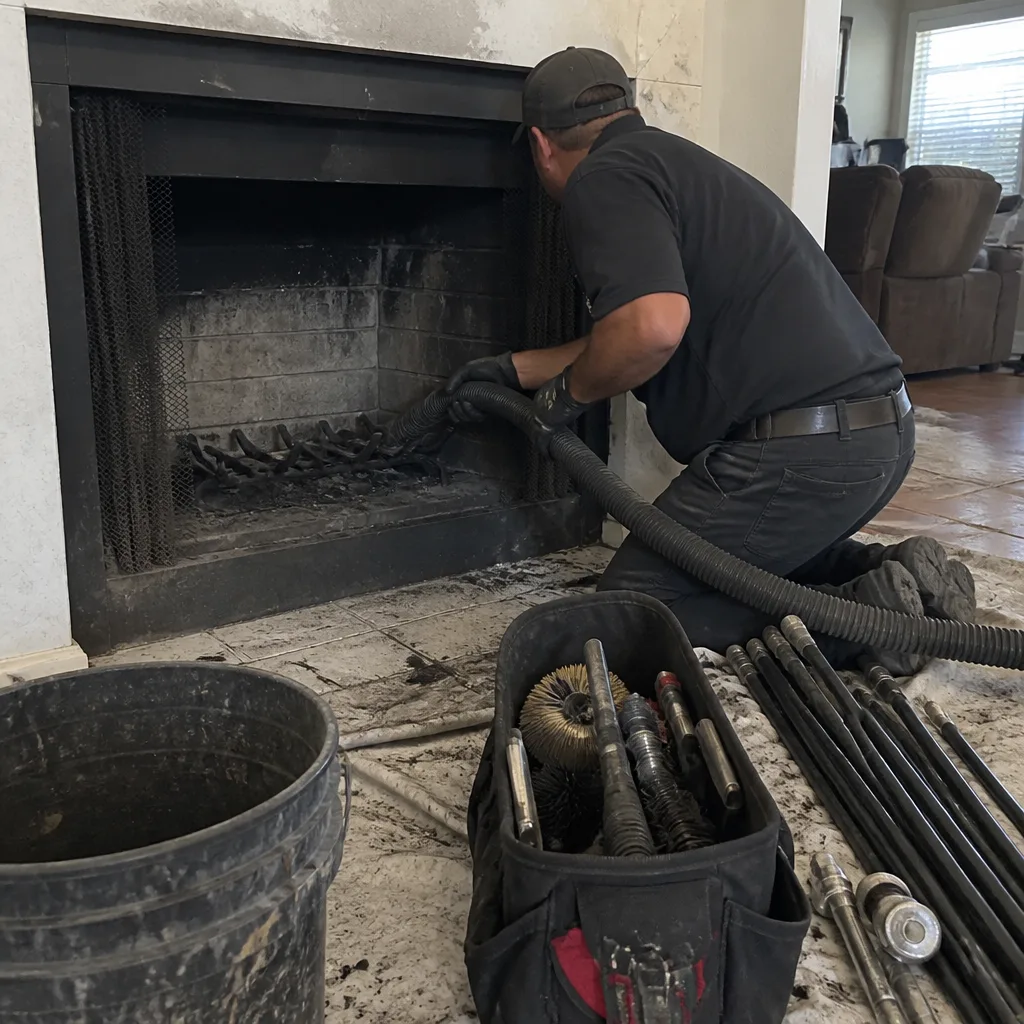 Before
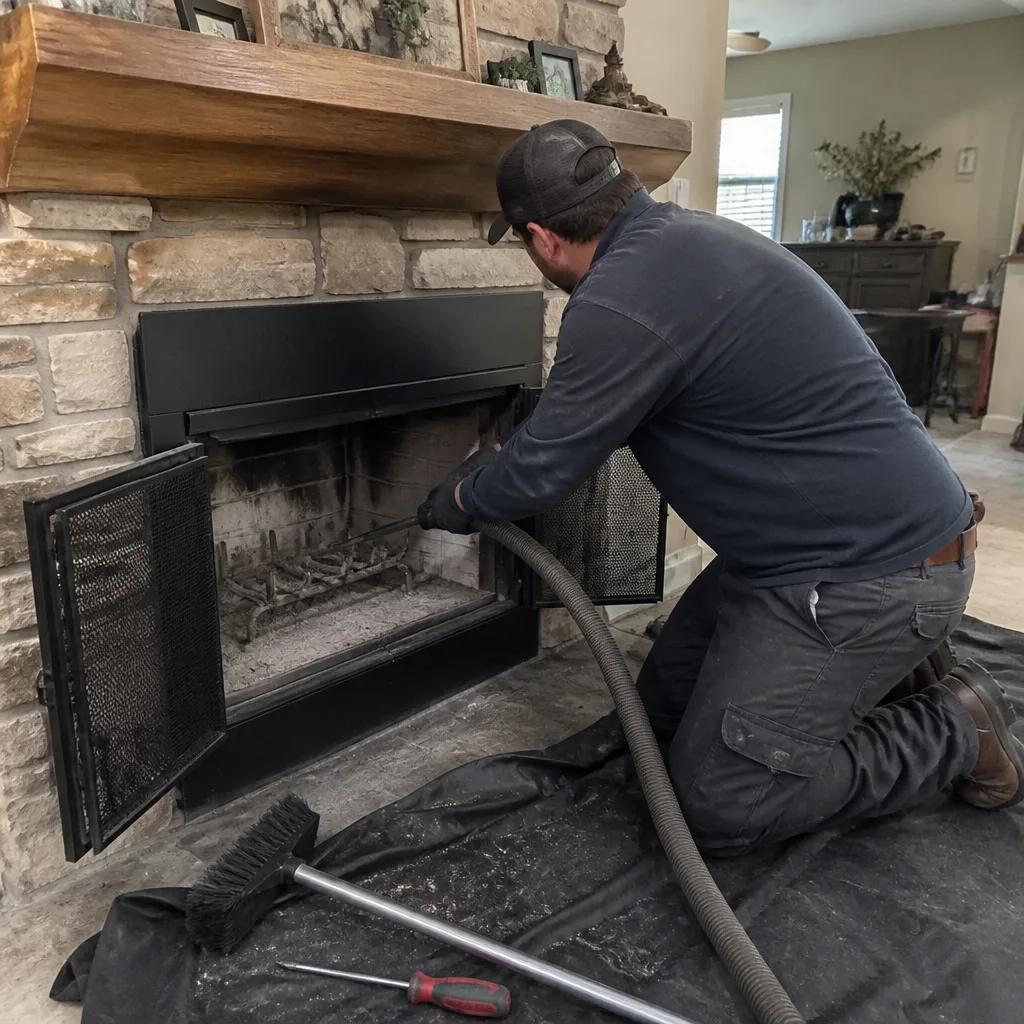 After
After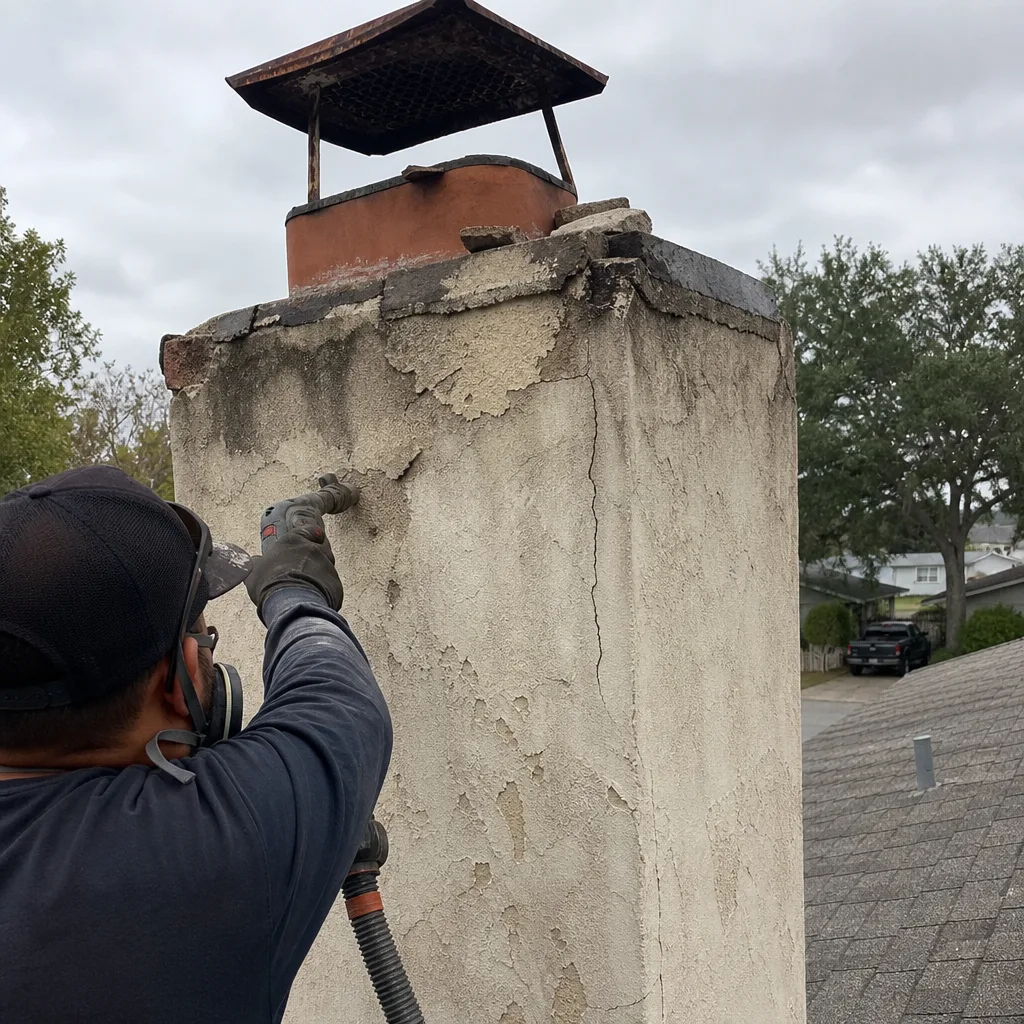 Before
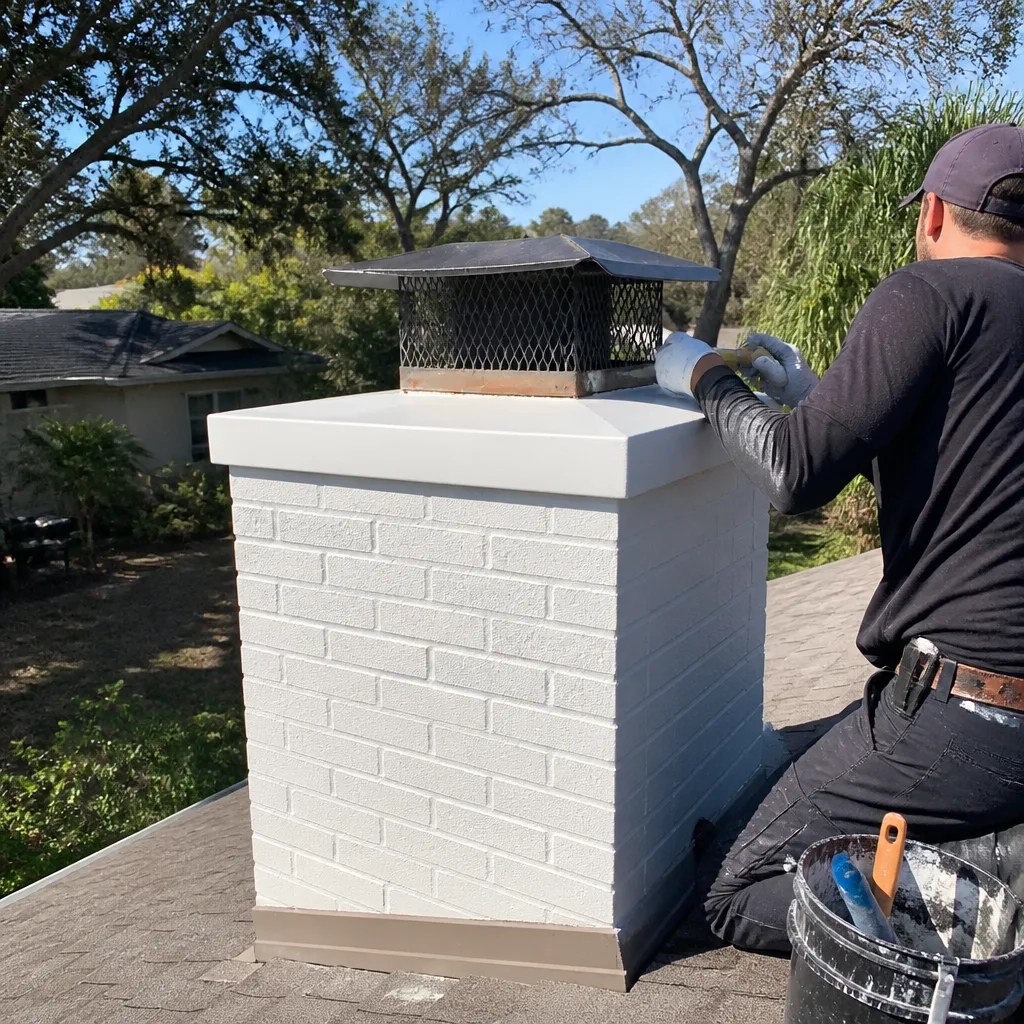 After
After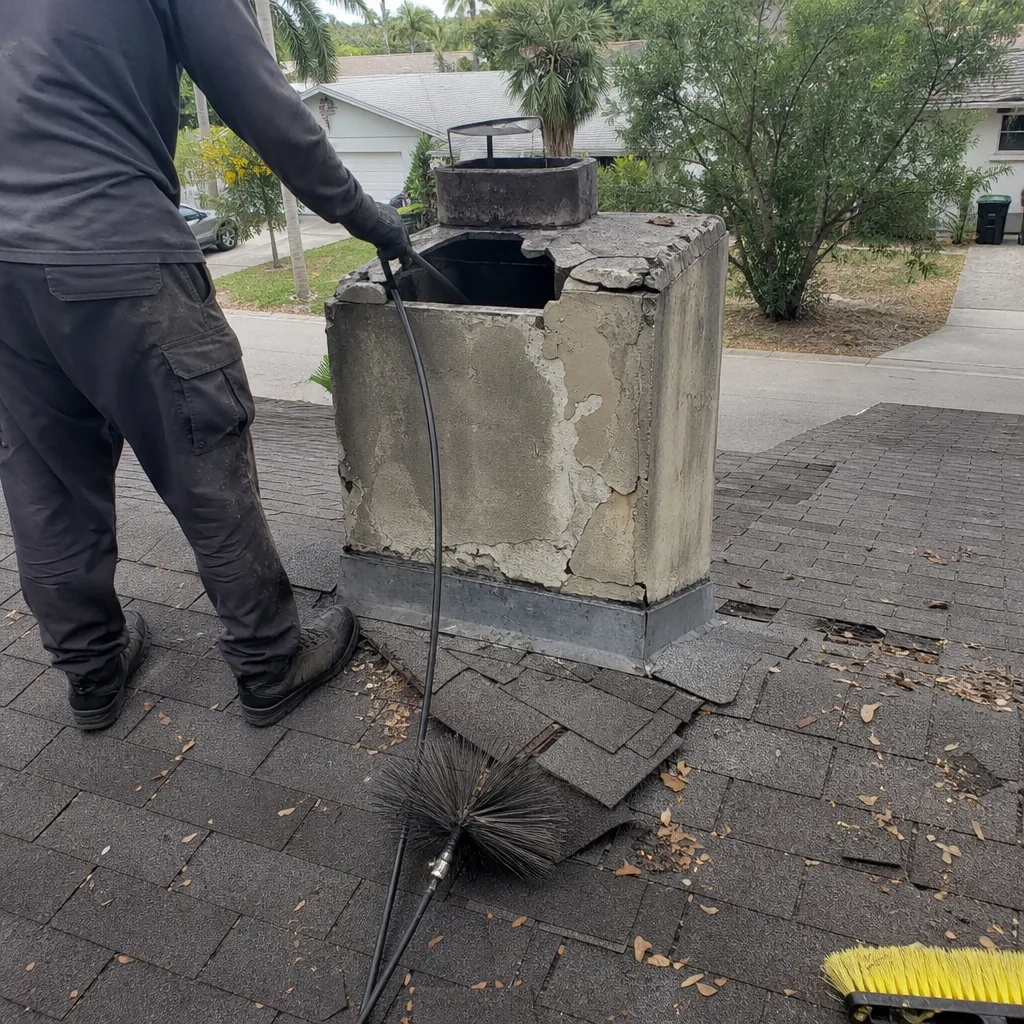 Before
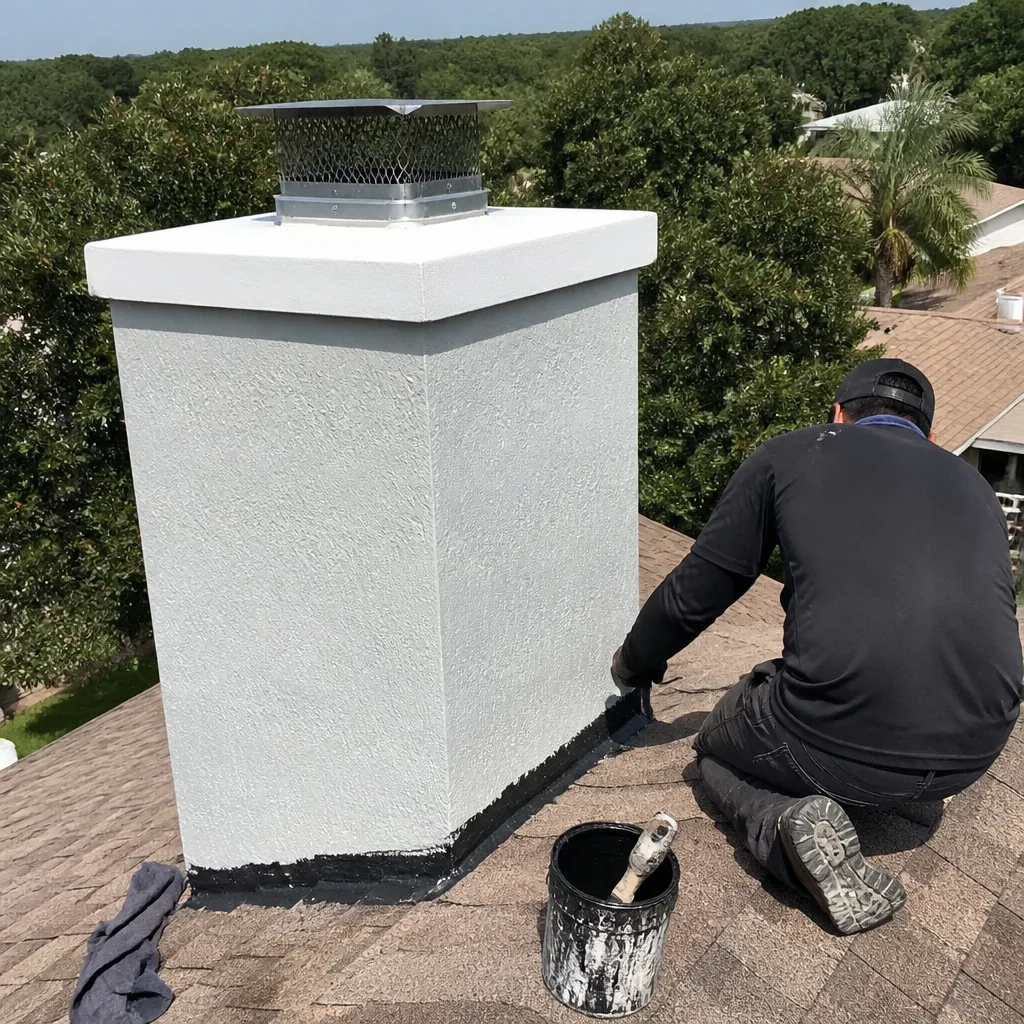 After
After