
Last updated October 15, 2026
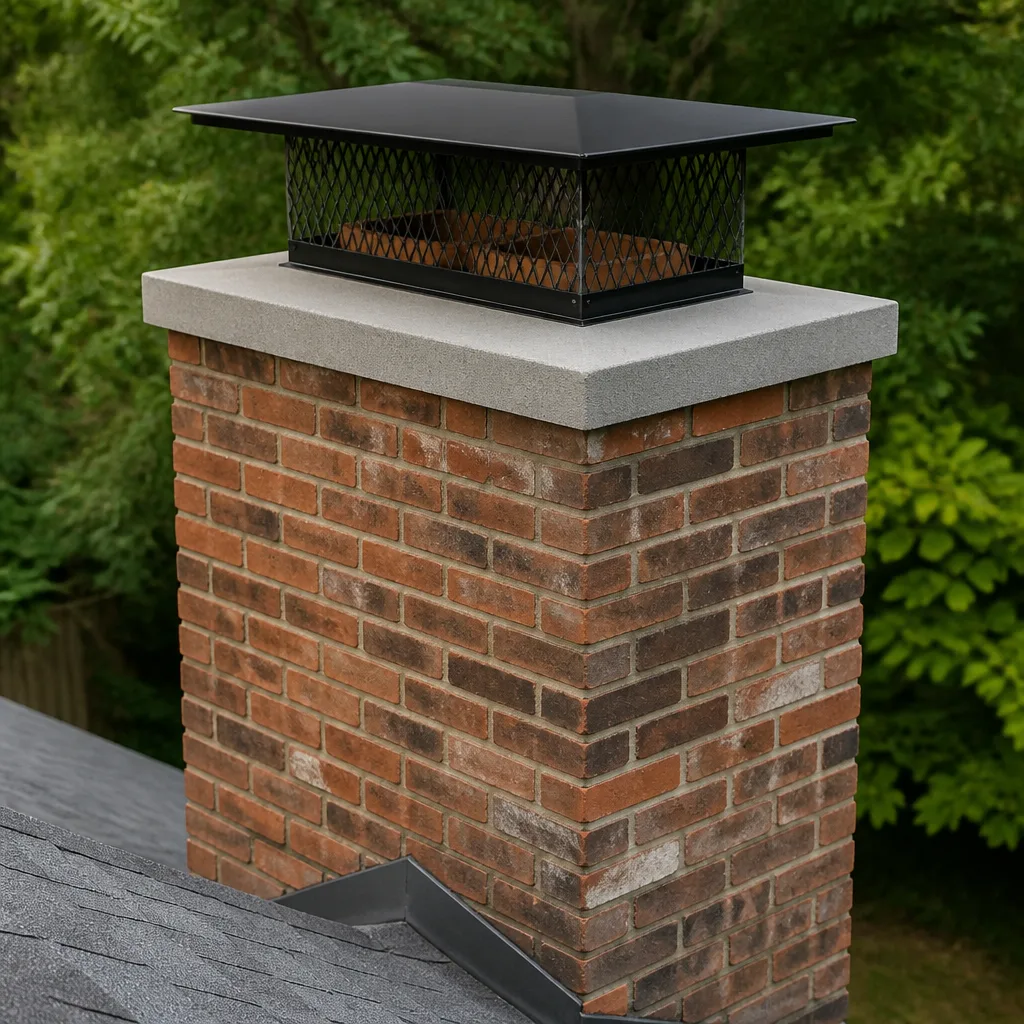 Caps & crowns
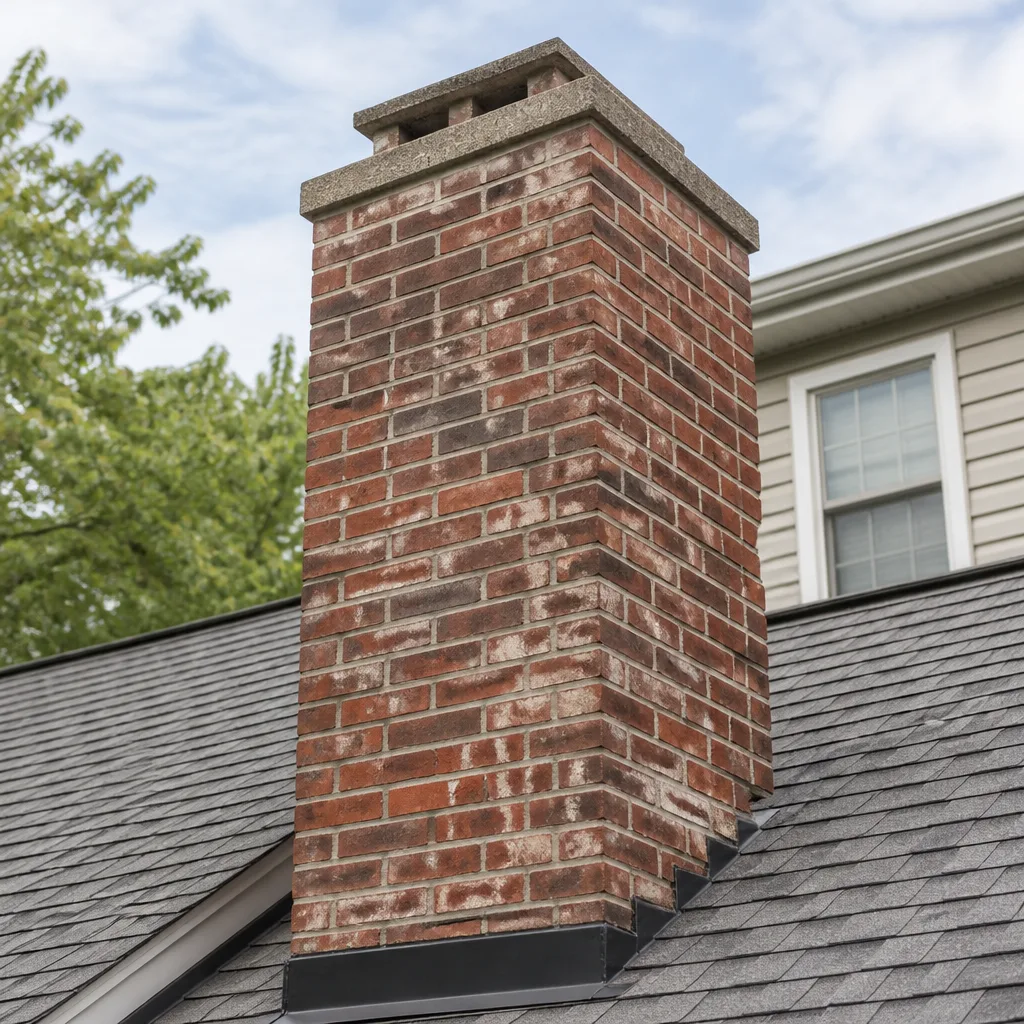 Masonry repair
Level 1 sweep and inspection to the NFPA 211 annual standard - flue, crown, cap, and flashing checked and photographed
Chimney sweep logs do not sweep chimneys. They loosen some creosote - which then falls where a brush and vacuum still have to collect it.
The Complete Guide to Chimney Cleaning in Tampa
Most chimney cleaning guides are written for Ohio. They assume a fireplace that burns every night from October through March, a roof that sheds snow, and a chimney that fights a constant battle against creosote. Tampa homeowners are following advice calibrated for a climate that gets roughly 40 more inches of rain per year and almost no sustained freeze. That mismatch quietly causes real damage. A Tampa chimney’s biggest enemies are not the same as a Cleveland chimney’s. This guide explains what actually happens inside chimneys in Hillsborough County, what a legitimate cleaning should include, what it costs, and how to verify the work was done. It’s written by the team at Hadley Chimney Tampa home, and it reflects what our technicians see every week in homes from South Tampa to New Tampa, Westchase to Seminole Heights.
Quick Answer
Chimney cleaning in Tampa typically costs between $189 and $389 for a standard sweep and Level 1 inspection, depending on the chimney’s condition, accessibility, and whether significant creosote or obstructions are present. In Tampa’s subtropical climate, most homeowners need a cleaning and inspection every 2 to 3 years, not annually. The bigger local risk is moisture damage and animal intrusion, which a proper cleaning should identify and document with photos.
Styles & brands we work with
Table of Contents
- Why Tampa’s Climate Changes the Rules
- What a Chimney Cleaning in Tampa Actually Includes
- Chimney Cleaning Cost Breakdown in Tampa
- Level 1 vs. Level 2 Inspections: What They Look Like Here
- How to Read Before-and-After Photos Like a Pro
- Gas vs. Wood-Burning: Why Your Liner Changes the Cleaning
- Who Regulates Chimney Work in Hillsborough County
- Common Mistakes to Avoid
- When to Call a Professional
- Frequently Asked Questions
Why Tampa’s Climate Changes the Rules
Here’s the counterintuitive truth about chimney cleaning in Tampa: creosote (the flammable tar buildup that makes chimneys a fire risk) accumulates more slowly here than almost anywhere else in the country. That’s not because Tampa fireplaces are magical. It’s because they get used less. A fireplace that burns 20 nights a year, mostly between December and February, simply does not produce the volume of creosote that a nightly burner in Columbus produces in a single season.
So national advice telling you to sweep every year? It’s calibrated for a burn schedule you don’t have. Following it means paying for a cleaning you probably don’t need, while the problems you actually have go unaddressed. For a deeper look at how local conditions should shape your approach, see our Seasonal Chimney Cleaning Care for Tampa: Year-Round Homeowner’s Guide. Here’s what Tampa’s climate actually does to chimneys:
- Humidity accelerates rust and mortar decay. Tampa’s average relative humidity hovers around 74% year-round. That moisture works its way into brick, mortar, flashing, and metal components. In our experience, masonry chimneys in South Tampa neighborhoods like Palma Ceia and Hyde Park, many built in the 1950s and 1960s, show mortar joint deterioration that newer construction in Westchase simply doesn’t have.
- Heavy rain exposes flashing failures faster. Tampa gets about 50 inches of rain annually, much of it in intense afternoon thunderstorms. A chimney flashing that weeped slowly in a drier climate will let water pour through the roof deck here. During cleaning, a technician should be checking the flashing condition, not just brushing the flue.
- Wildlife moves in when the firebox sits idle. A chimney unused for 8 or 9 months is an invitation. Birds, squirrels, and raccoons don’t know the difference between a chimney and a hollow tree. In Tampa, we regularly remove nests from chimneys in neighborhoods like Carrollwood and Lutz where mature oak canopies sit close to rooflines. A chimney cap is not optional here; it’s the difference between a clean flue and a chimney full of nesting material.
- Creosote still forms, just differently. Even in a mild winter, wood that isn’t fully seasoned produces creosote. The difference is that it tends to be a lighter, flakier stage-one or stage-two creosote rather than the glazed, tar-like stage-three you see in northern climates. That’s good news for cleanability, but it doesn’t mean it can be ignored indefinitely.
The practical takeaway: in Tampa, you’re less likely to have a chimney fire from creosote buildup and more likely to have water damage, rusted dampers, and animal debris. A good chimney cleaning here addresses all of it, not just the brushing.
What a Chimney Cleaning in Tampa Actually Includes
Here’s what happens when you book a sweep in Tampa, step by step. This is the process Chimney Sweep in Tampa work should follow, whether it’s our team or another legitimate company:
- Interior protection setup. The technician lays drop cloths around the fireplace and uses a high-powered HEPA vacuum to control dust. If a company skips this, you’ll know within minutes because your living room will be coated in a fine layer of soot.
- Visual inspection from the bottom. Before any brushing happens, the tech looks up the flue with a flashlight and checks the firebox, damper, and smoke chamber. This catches obvious issues like missing mortar joints, cracked firebrick, or a damper rusted open.
- Roof access and cap inspection. The technician goes up on the roof to inspect the chimney crown, the cap (or lack thereof), and the flashing. In Tampa, where afternoon thunderstorms roll through from June through September, cap and crown condition matters as much as anything else we check.
- Mechanical or rotary brushing. The flue gets brushed from the top down or bottom up, depending on the setup. A rotary brush on a drill is standard for removing stage-two creosote. For stage-three glazed creosote, chemical treatments or more aggressive mechanical removal may be needed. That’s a different job and a different price.
- Debris removal and smoke test. Nests, leaves, and creosote debris are removed. A smoke test confirms proper draft before the tech packs up.
- Photo documentation. Here’s what separates a modern chimney company from the old-school operation: you should receive before-and-after photos of the flue interior, the cap, the crown, and any problem areas. At Hadley Chimney Tampa, this is part of our standard process under The Relay Visibility Guarantee. No photos means you’re taking someone’s word for it.
The whole process takes 60 to 90 minutes for a standard single-flue chimney. If the chimney hasn’t been cleaned in years or has significant wildlife debris, budget for longer.
Chimney Cleaning Cost Breakdown in Tampa
Let’s talk numbers, because you should know what a fair price looks like before you start calling around. Our How to Hire a Chimney Cleaning Contractor in Tampa: A Step-by-Step Guide can help you evaluate who you’re calling. Tampa’s market has a wide range, influenced by home age, chimney type, and whether the company includes an inspection with the sweep.
| Service | Typical Tampa Price Range | Notes |
|---|---|---|
| Standard sweep + Level 1 inspection | $189 – $289 | Single flue, no major issues, accessible roof |
| Sweep + Level 1 + cap installation | $289 – $389 | Adds a new chimney cap, which most Tampa homes need |
| Sweep with heavy creosote (stage 2) | $289 – $389 | More labor, rotary brushing, possibly chemical treatment |
| Sweep with animal nest removal | $289 – $449 | Depends on nest size and whether live animals are present |
| Level 2 inspection (add-on) | $150 – $350 | Camera inspection of flue interior; required after chimney fire, home sale, or liner change |
| Gas fireplace service + cleaning | $149 – $249 | Glass cleaning, log placement, burner check, pilot assembly |
A few local market notes. Older homes in Tampa neighborhoods like Riverside Heights, Tampa Heights, and Sulfur Springs often have unlined masonry chimneys that were built before modern liner standards. If a cleaning reveals a deteriorated flue tile, you’re looking at liner costs beyond the sweep. That’s where honest photo documentation matters: you should be able to see exactly why a liner is needed before you’re asked to pay for one.
Every quote from Hadley Chimney Tampa includes a written price before any work begins. Not a verbal estimate. A written number. If a company won’t put it in writing before they pick up a brush, that tells you something.
Level 1 vs. Level 2 Inspections: What They Look Like Here
The Chimney Safety Institute of America (CSIA) defines three inspection levels. Most homeowners only ever hear about the first two. Here’s what they actually mean inside a Tampa home.
Level 1 Inspection
A Level 1 is the standard inspection that comes with a routine sweep. The technician examines all readily accessible portions of the chimney interior and exterior: the flue from the top and bottom, the damper, the firebox, the cap, the crown, and the flashing. No special tools beyond a flashlight, no climbing into attics or crawl spaces, no camera work down the flue. In a Tampa home that’s been regularly maintained and hasn’t changed fuel type or suffered a chimney fire, this is usually sufficient.
Level 2 Inspection
A Level 2 includes everything from a Level 1 plus a video scan of the flue interior using a camera. It’s required when you’re buying or selling a home, after a chimney fire, after a seismic or weather event that may have damaged the chimney, or when changing fuel type (say, converting a wood fireplace to gas logs). In our experience, Tampa real estate transactions are the most common reason we perform Level 2 inspections. Home inspections flag chimney questions, and buyers want certainty. A camera scan shows hairline cracks, separated flue tiles, or liner deterioration that a flashlight can’t reveal.
What do we find most often in Tampa homes? Three things recur constantly:
- Rusted dampers. The throat damper sits directly in the path of humid air rising from the house. In Tampa, a rusted-open or rusted-shut damper is the single most common chimney issue we see, especially in homes where the fireplace has gone unused for multiple seasons.
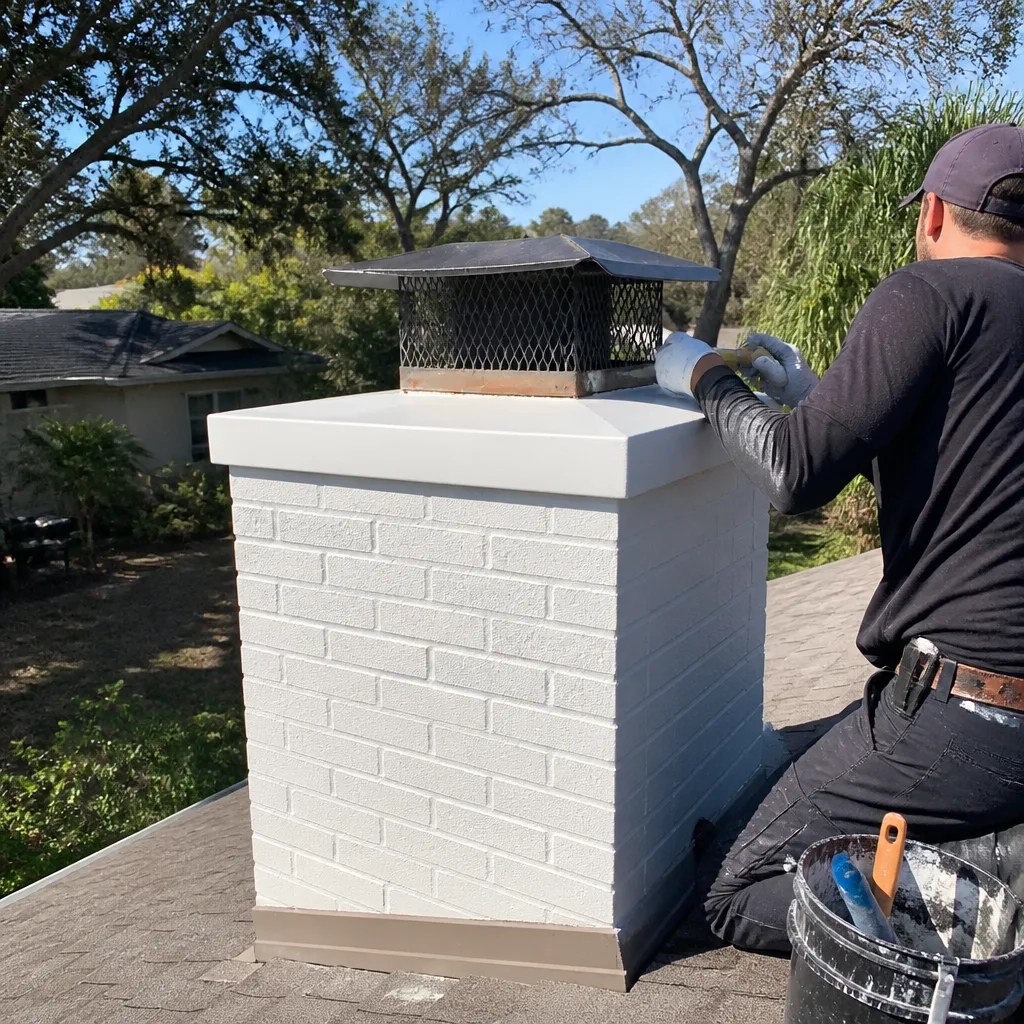
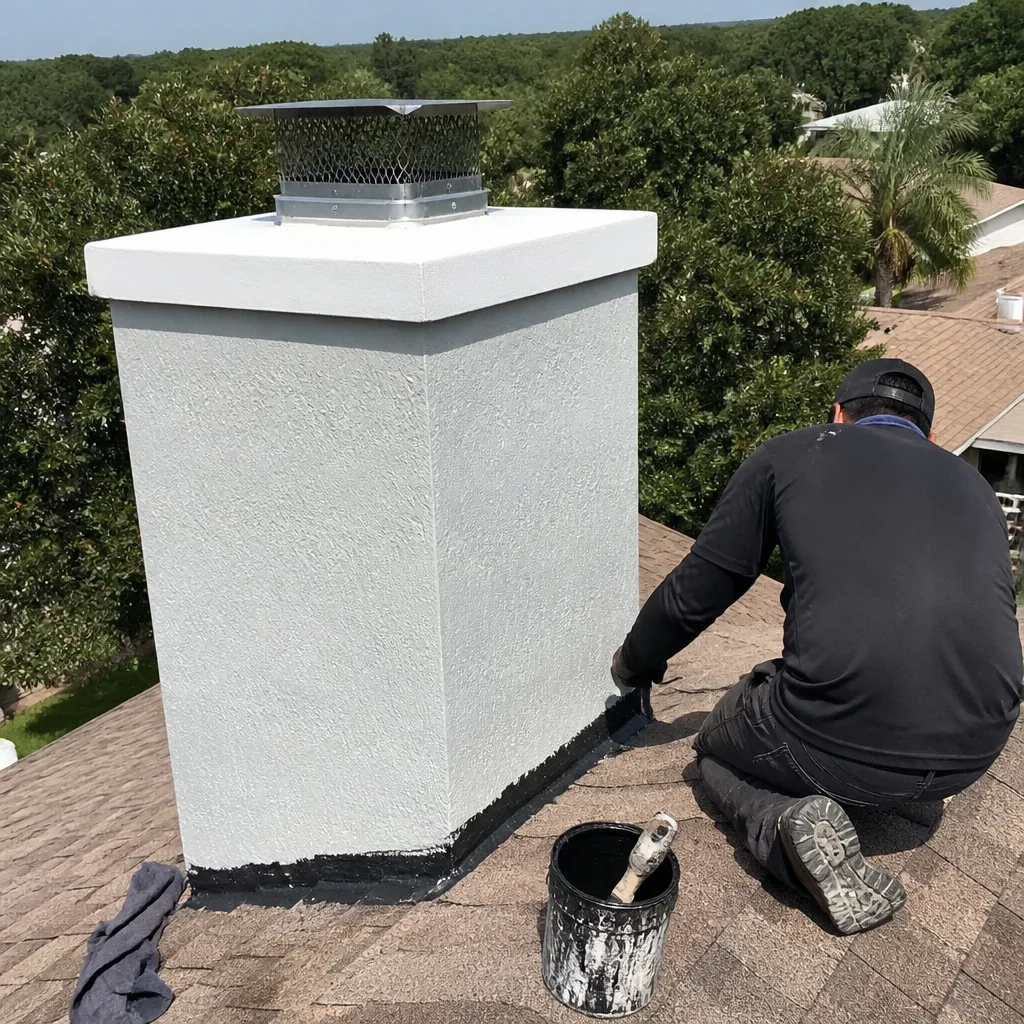
- Cracked chimney crowns. The crown is the concrete slab on top of the chimney. Tampa’s intense sun, heavy rain, and the rare freeze cycle cause crowns to crack and spall. A cracked crown lets water into the brick, which then spalls (flakes apart) and eventually compromises the flue.
- Missing or damaged caps. Any chimney without a cap in Tampa will eventually host a nest. Any chimney with a cheap cap that rusted through is in the same position.
When our techs perform a Level 2, you get the full camera footage, not just a summary. Under The Relay Visibility Guarantee, documentation is the default. You should be able to see what the tech saw.
How to Read Before-and-After Photos Like a Pro
Photos are the verification tool homeowners have been missing for decades in the chimney trade. But only if you know what to look at. Here’s how to evaluate the photos your sweep provides after a cleaning in Tampa:
- Look at the flue tiles, not the dark background. A before photo will show flue tiles coated in black creosote or streaked with soot. The after photo should show the tiles themselves, not a uniform black tunnel. If you can see the joints between flue tiles in the after photo, the brushing was genuine.
- Check the color difference of creosote. Stage-one creosote is flaky and brownish-black. Stage-two is more granular and baked-on. Stage-three is glossy black, like glass. In Tampa, we rarely see stage-three in wood-burning fireplaces that get seasonal use. If your photos show glossy black that turns matte black after the sweep, that’s honest work.
- Confirm the cap in the after photo. If a cap was installed or replaced, there should be a photo showing it from above with the surrounding crown. Look for cracked crown concrete in that same photo. If the crown looks rough and your tech didn’t mention it, ask.
- Look for daylight at the top of the flue. A clean flue photographed from above should show a clear, unobstructed path down. Obstructed views mean either debris remains or the camera wasn’t positioned to see the full length.
- Request the smoke chamber photo. The smoke chamber is the transition area above the firebox where smoke compresses and accelerates. It’s a common place for creosote to accumulate and a common place for sloppy sweeps to skip. If your photos include this area, you’re dealing with a thorough company.
If a chimney company doesn’t take photos at all, or says they “forgot” this time, you have no way to verify the cleaning happened. We built Hadley Chimney Tampa’s entire process around fixing that problem. Before-and-after photos are a standing part of every job, not a customer request.
Gas vs. Wood-Burning: Why Your Liner Changes the Cleaning
Chimney cleaning in Tampa splits into two distinct tracks depending on what appliance the flue serves. Understanding which one you have changes everything about what the service should cost and what it should include.
Wood-Burning Fireplaces and Wood Stoves
Wood burning produces creosote. There’s no way around it. Even the best-seasoned oak from a Tampa firewood supplier produces combustion byproducts that condense on the flue walls as smoke cools rising up the chimney. The cleaning protocol is what we’ve described above: brushing, creosote removal, debris cleanup, cap and crown check. If you have an open wood fireplace in an older Tampa home, the liner is likely either clay tile or absent entirely (in homes built before the 1940s). If the flue tile is cracked or spalling, that’s fire-safety relevant, not just maintenance-relevant. Heat can escape through gaps and reach combustibles in the surrounding framing.
Gas Fireplaces and Gas Logs
Gas burns cleaner than wood. You won’t get creosote. But gas fireplaces have their own maintenance profile, especially in Tampa’s humidity. Gas logs produce soot, not creosote, and that soot accumulates on the logs, the burner, and the glass. Gas fireplaces also have a pilot assembly and gas valve that need periodic inspection. The chimney or vent itself needs far less brushing than a wood flue, but it still needs to be checked for obstructions and proper draft. You can read more about this in our Gas Fireplace Repair in Tampa guide.
The liner question matters here too. Many Tampa homes convert old wood fireplaces to gas logs without installing the proper gas-rated liner. That’s a code issue and a safety issue. A gas fire burns at lower temperature but produces more water vapor than wood, which can deteriorate an unlined masonry flue faster. Our techs see this regularly in neighborhoods like Seminole Heights and Old Seminole Heights, where charming 1920s bungalows get converted to gas without the right venting.
For liner work, Hadley Chimney Tampa uses materials from manufacturers like DuraFlex and HeatShield. Those aren’t the cheapest options on the truck. They’re the ones that last in a climate like ours, with humidity that never lets up. You don’t have to know the difference between copper and aluminum liners before you call. You just need a tech who does and who shows you what they’re putting in.
Who Regulates Chimney Work in Hillsborough County
Chimney work in Florida is not licensed the way electrical, plumbing, or HVAC work is. There’s no Florida chimney contractor license. Let’s be clear about what that means and what it doesn’t.
Hillsborough County requires a contractor license for structural work that includes masonry repair, roofing components, or fireblocking. That’s enforced through the Hillsborough County Development Services and Florida’s Department of Business and Professional Regulation (DBPR) where applicable. A chimney repair that involves flashing replacement, crown rebuilds, or masonry work technically falls under roofing or general contracting rules depending on the scope. A straight chimney cleaning, in contrast, is unregulated at the state level in Florida. Any company can legally sweep a chimney.
That’s a regulatory gap, and it means the burden of vetting falls on the homeowner. Here’s what a legitimate sweep should leave behind after a Tampa job:
- A written service record documenting what was cleaned, what was inspected, and what if any issues were found.
- Photo documentation of the before and after condition. Not optional. If a company won’t provide photos, ask why.
- Proof of insurance. A legitimate company carries general liability insurance. You should be able to ask for a certificate of insurance and receive it without friction. Hadley Chimney Tampa is insured and bonded, and we provide documentation on request.
- CSIA certification. While not legally required in Florida, CSIA (Chimney Safety Institute of America) certification is the industry’s primary professional credential. Companies that employ CSIA-certified techs have invested in real training, not just on-the-job learning.
For repair work beyond a basic cleaning, contact Hillsborough County to verify whether a general contractor license is required for your specific scope. A chimney company that pushes back on that question is a red flag. For repairs, Chimney Repair in Tampa work should always come with a written scope and a written guarantee.
Common Mistakes to Avoid
- Following annual-sweep advice from Illinois, in Florida. An annual sweep is overkill for most Tampa homes. Every 2 to 3 years is right for the average wood-burning fireplace used seasonally. Paying for annual cleanings you don’t need is wasted money.
- Skipping the cap because “it’s not that important.” In Tampa, it’s the single most important chimney accessory you can install. No cap means wildlife moves in, rain pours down the flue, and humidity works on the interior year-round. The $120 to $200 a cap costs is the best chimney investment in this climate.
- Ignoring a rusted damper until it seizes. A damper that rusts shut means the fireplace can’t be used without repair. A damper that rusts open means your air-conditioned air escapes up the chimney every day from April through October. In Tampa’s cooling season, that’s actual money on your TECO bill.
- Hiring a sweep based on price alone. A $99 chimney cleaning in Tampa almost always means a bait-and-switch. The tech arrives, “finds” a scary problem, and suddenly you’re quoted $1,800 for urgent repairs. Legitimate companies quote a real price upfront, in writing, and don’t ambush you on the roof.
- Converting to gas logs without addressing the liner. Gas logs in an unlined or clay-lined chimney not rated for gas is a code violation and a safety hazard. The condensation from gas combustion is more corrosive than many homeowners realize, and Tampa’s humidity makes it worse.
- Not asking to see the photos. If your sweep can’t show you before-and-after photos, you have no way to verify the work. That’s the old-school business model, and it’s exactly the model Hadley Chimney Tampa was built to replace.
When to Call a Professional
Call a professional chimney company in Tampa if you smell smoke in the house after using the fireplace, if you see water stains on the ceiling or walls near the chimney after a hard rain, if you hear animals in the flue, if you see cracked or spalling brick on the chimney exterior, or if you haven’t had the chimney inspected in more than three years. These are specific signals that something is wrong, not general anxiety to act on. If you’re buying a home in Tampa, book a Level 2 inspection before closing. That’s a standard part of due diligence in Hillsborough County real estate transactions. Hadley Chimney Tampa offers free estimates in Tampa and the surrounding area. Call (850) 790-3475 to schedule, or to ask questions before you book.
Frequently Asked Questions
Chimney cleaning in Tampa typically costs $189 to $389 for a standard sweep, with most homeowners paying around $250 including a Level 1 inspection. Add $150 to $350 for a Level 2 camera inspection if needed. Exact pricing depends on chimney condition, roof accessibility, and whether wildlife debris or heavy creosote is present. Call (850) 790-3475 for an exact written quote before any work begins.
Every 2 to 3 years is the right schedule for most Tampa wood-burning fireplaces used seasonally, roughly December through February. Gas fireplaces should be checked every 2 years but don’t require brushing the same way wood flues do. If you burn more than 30 fires per year or use the fireplace during Tampa’s brief cold snaps every week, move to an annual schedule.
Skipping cleaning in Tampa typically causes animal nesting, rusted dampers, and moisture damage rather than a dramatic creosote fire. The firebox sits idle for 9 months out of the year, inviting squirrels and birds. Humidity corrodes metal components and degrades mortar joints. The result is a chimney that needs more expensive repairs than a cleaning would have cost.
Maybe, but you should be shown the evidence before you write a check. A legitimate company will show you camera footage of cracked flue tiles, deteriorated mortar, or a liner that’s missing entirely. If a tech tells you a liner is needed but can’t show you why with photos, get a second opinion. Liner replacements are the most expensive common chimney repair, and they’re also the most abused upsell in the industry. Hadley Chimney Tampa provides camera documentation with every liner recommendation.
Routine chimney cleaning is maintenance, not a covered insurance loss. If a chimney fire occurs due to creosote buildup that was never cleaned, insurance may cover the resulting damage depending on your policy, but a documented lack of maintenance can complicate a claim. Water damage from a failed flashing that was ignored is similarly considered a maintenance failure, not a sudden loss. The good news: regular cleaning documentation from a professional sweep creates a record that supports your position in any insurance conversation.
A chimney sweep is the physical cleaning of creosote and debris from the flue. An inspection is the visual and sometimes camera-based assessment of the chimney’s condition. In a standard chimney cleaning in Tampa, the sweep and Level 1 inspection are done together as one service. A Level 2 inspection is a separate, more comprehensive camera-based evaluation that’s usually ordered for real estate transactions or after a chimney fire. Our Chimney Sweep in Tampa service includes both the cleaning and the Level 1 inspection.
You can, and chimney brushes are sold at every big-box hardware store. But here’s what you’ll miss: the cap condition, the crown cracks, the flashing integrity, the damper rust, and the smoke chamber buildup. DIY cleaning addresses only the flue brushing, which is about 40% of what a professional service actually evaluates in Tampa. The other 60% is the moisture and wildlife assessment that a trained eye catches. Our full breakdown in DIY vs Professional Chimney Cleaning: The Tampa Homeowner’s Decision Guide covers this in detail. Plus, DIY chimney work involves roof access, which in Tampa’s summer heat and afternoon thunderstorms is genuinely dangerous. We’ve seen enough ladder accidents to say it plainly: leave the roof work to someone who does it daily.
The Bottom Line
Chimney cleaning in Tampa is not the same service it is in colder climates, and following national advice calibrated for Ohio or Michigan will cost you money you don’t need to spend while leaving the problems you actually have unaddressed. In this climate, you clean less often than the national average, but you inspect more carefully: moisture, wildlife, rust, and masonry integrity are the things that go wrong here. When you book a sweep, expect written pricing before work starts, photo documentation during, and a clear written report after. Those aren’t premium extras. They’re the minimum standard a modern chimney company should meet. Hadley Chimney Tampa home has operated on that standard since 2003, and we’re happy to answer questions or schedule a visit at (850) 790-3475.
Written by Cory Mitchell, Owner at Hadley Chimney Tampa, serving Tampa since 2003. Explore more guides & resources on chimney care.
See the difference
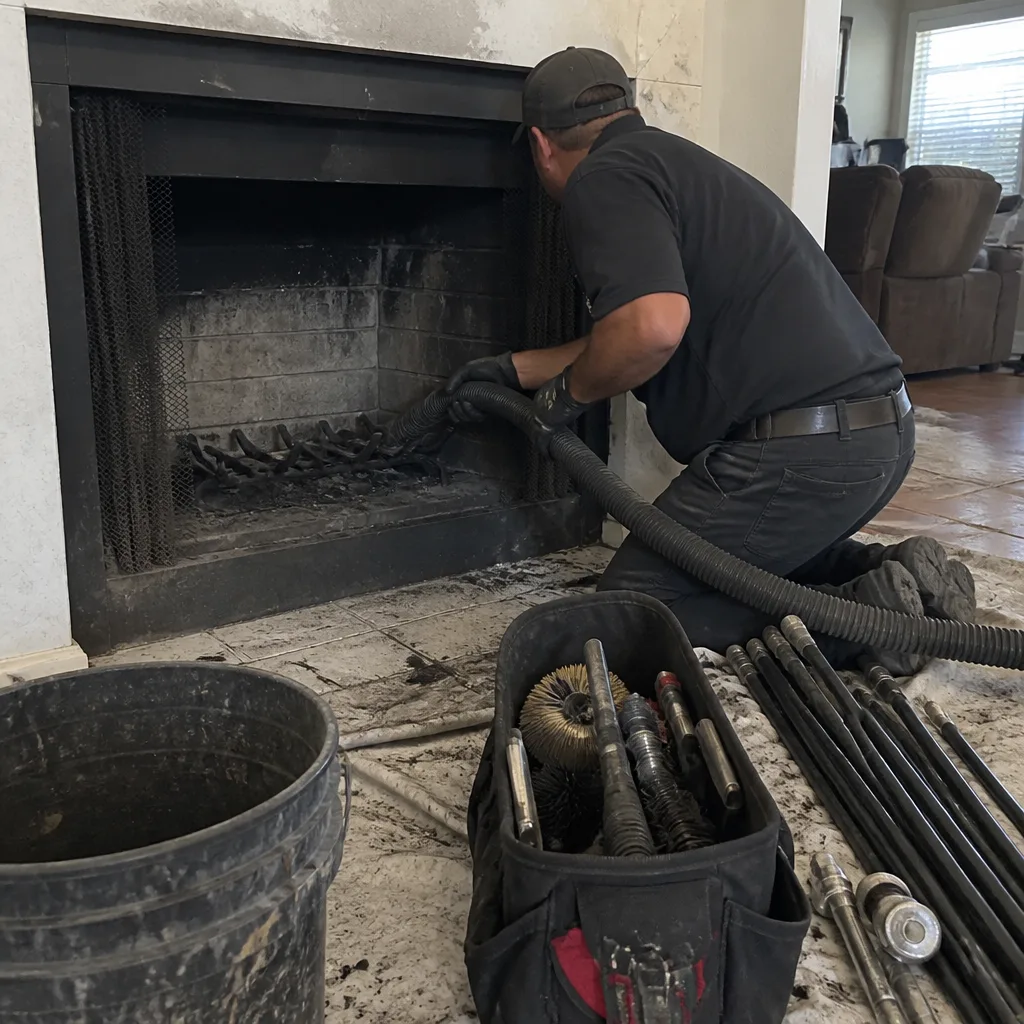 Before
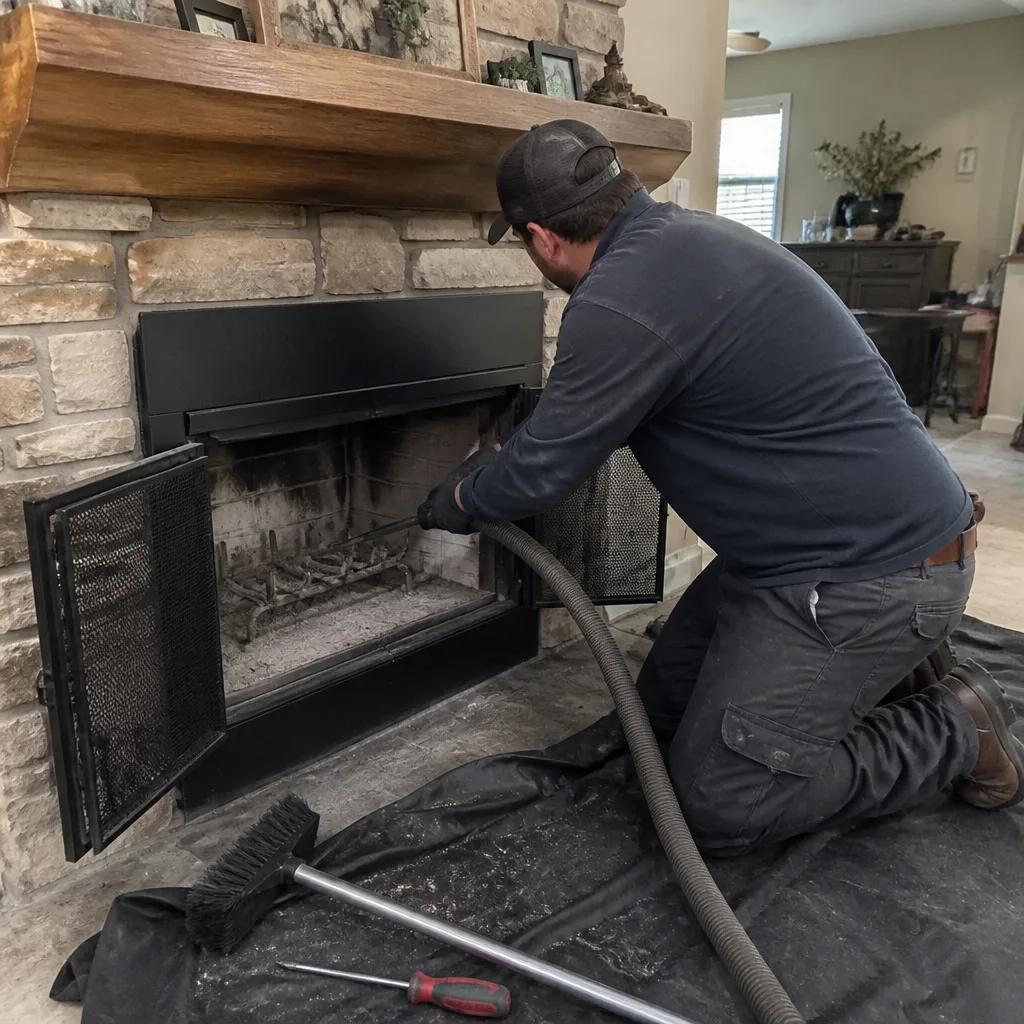 After
After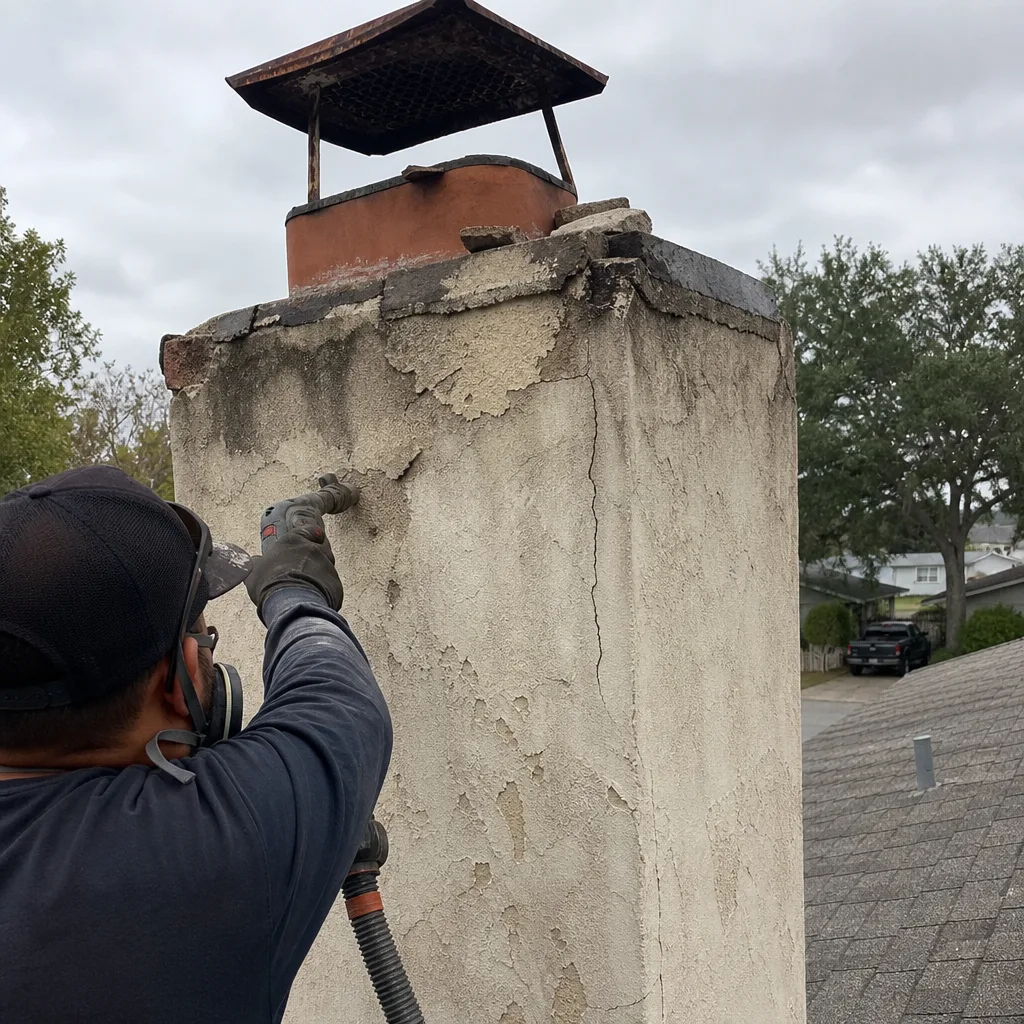 Before
 After
After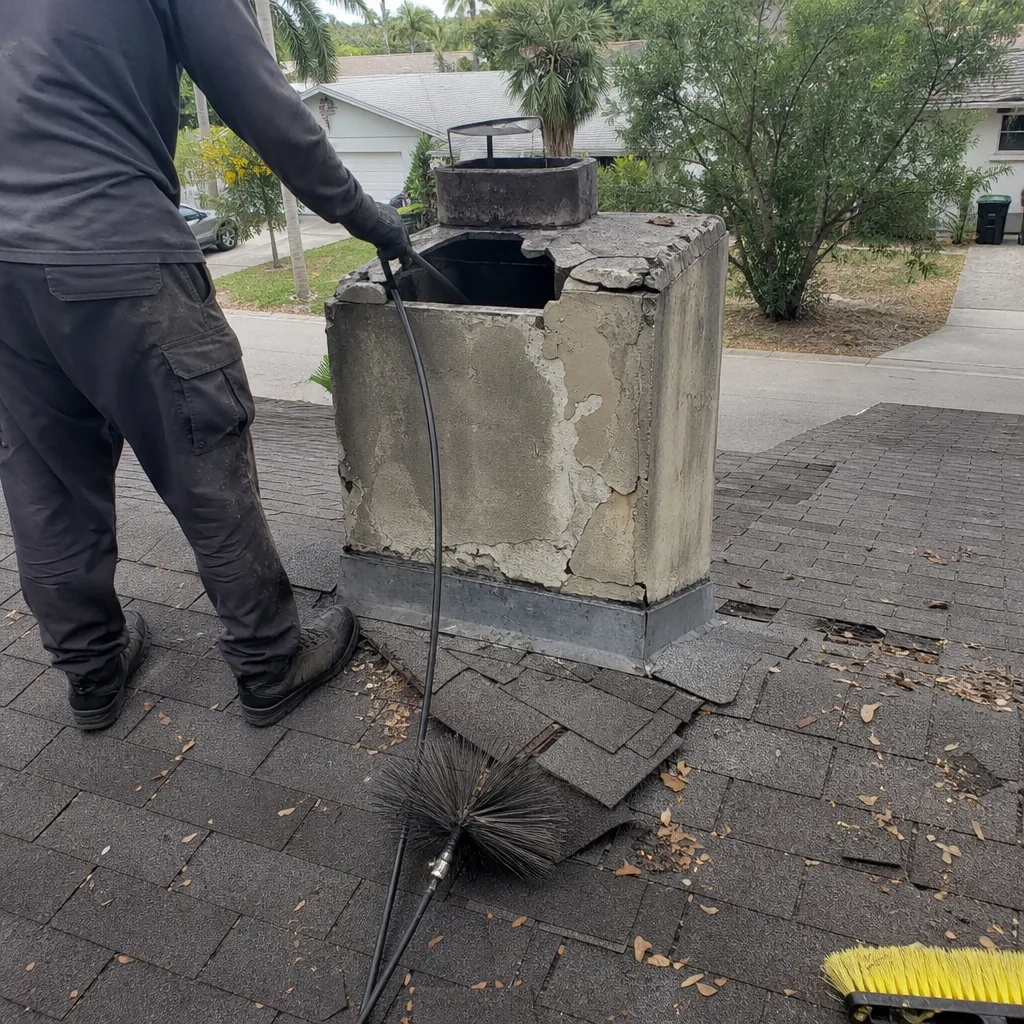 Before
 After
After