
Last updated October 15, 2026
 Caps & crowns
 Masonry repair
Level 1 sweep and inspection to the NFPA 211 annual standard - flue, crown, cap, and flashing checked and photographed
Chimney sweep logs do not sweep chimneys. They loosen some creosote - which then falls where a brush and vacuum still have to collect it.
Chimney Sweep Maintenance Checklist for Tampa Homeowners
Here’s a number most national chimney checklists won’t tell you: in Tampa, the most important chimney inspection happens in October, not November. While guides written for Minnesota or Massachusetts tell homeowners to prep their fireplaces right before the first freeze, Tampa’s actual risk window opens when hurricane season ends. By the time December’s brief cold snap arrives, three months of post-hurricane humidity, wind-driven rain, and salt air have already had their way with your flashing, your cap, and your liner. This guide gives you a month-tagged maintenance checklist built for Tampa’s real calendar: hurricanes first, humidity always, and a burn season that lasts six weeks instead of six months. You’ll learn exactly what to check from your firebox without tools, what to photograph before a tech ever shows up, and how a five-minute chimney log can protect you when you sell your home in Hillsborough County.
Styles & brands we work with
Quick Answer
A Tampa chimney maintenance checklist should run on a three-part local calendar, not a generic fall/spring split. Inspect after hurricane season ends (October), prep for the burn season before the first cold front (November to early December), and monitor for moisture every month from May through September. The most important homeowner-only checks are visual: look up the flue with a flashlight, check for white staining on the exterior brick, and document everything with your phone camera.
Table of Contents
- Tampa’s Actual Chimney Calendar: Why October Matters More Than December
- The Month-by-Month Tampa Chimney Maintenance Checklist
- What You Can See From the Firebox: 5 Visual Checks That Need No Tools
- Document Everything: The Phone Photo Checklist Before a Tech Arrives
- Gas Fireplace Inserts in Tampa: A Different Maintenance Animal
- The Chimney Log: One Photo, One Date, One Note
- Common Mistakes to Avoid
- When to Call a Professional
- Frequently Asked Questions
- The Bottom Line
Tampa’s Actual Chimney Calendar: Why October Matters More Than December
National chimney checklists assume a climate where freeze-thaw cycles damage masonry and wood stoves run daily for five months. Tampa has neither problem. What Tampa has is a six-month hurricane season that ends in late November, followed by a burn season that lasts roughly six to eight weeks, and a humidity level that stays above 70 percent for most of the year. That combination changes the maintenance math completely.
Here’s what the calendar actually looks like for a Tampa chimney:
- June through November: Hurricane season. Wind gusts above 60 mph loosen chimney caps, dislodge flashing, and drive rain horizontally into mortar joints that are already soft from humidity. This is when exterior damage happens, even if you never light a fire.
- October: The post-hurricane-season inspection window. By early October, Tampa has usually absorbed the worst of the Atlantic storm activity. This is the moment to check what the wind and rain did to your chimney, before you ever think about burning.
- November to early December: Pre-burn-season prep. Tampa’s first genuinely cold nights usually arrive around Thanksgiving. This is when you sweep if the chimney needs it, verify the damper operates, and confirm the flue is clear.
- December through February: The burn season. In Tampa, this is five to eight weeks of intermittent fires, mostly on weekends and the occasional 40-degree night. The creosote risk is actually lower than in colder climates because fires are fewer and shorter, but the moisture risk stays high because the chimney is now cycling between hot and cold in a humid environment.
- March through September: The moisture-monitoring off-season. Even when the fireplace sits dark for months, humidity is still working on the mortar, the liner, and any metal components. A chimney that goes uninspected from March to October in Tampa is a chimney that gets discovered in October with a problem that started in June.
We’ve worked on Tampa chimneys for over two decades at Hadley Chimney Tampa, and the pattern is consistent: homeowners who think about their chimney only when they want a fire are the ones who find rusted dampers, spalled brick, and cracked chimney crowns in December. The homeowners who check in October catch small problems before they become expensive ones.
When you’re ready to schedule that October inspection, our chimney sweep service in Tampa includes a written report with photos, so you see exactly what we see.
The Month-by-Month Tampa Chimney Maintenance Checklist
This is the actionable month-tagged list. Print it, screenshot it, or just bookmark this page. Each month has a specific purpose, and most items take less than ten minutes.
October: The Post-Hurricane-Season Inspection
- Look for water stains inside the firebox. After a summer of storms, water intrusion shows up as white mineral stains on the brick, rust streaks on the damper, or a musty smell when you open the damper. Any of these means water is getting past the cap or flashing. Get that checked before the burn season starts.
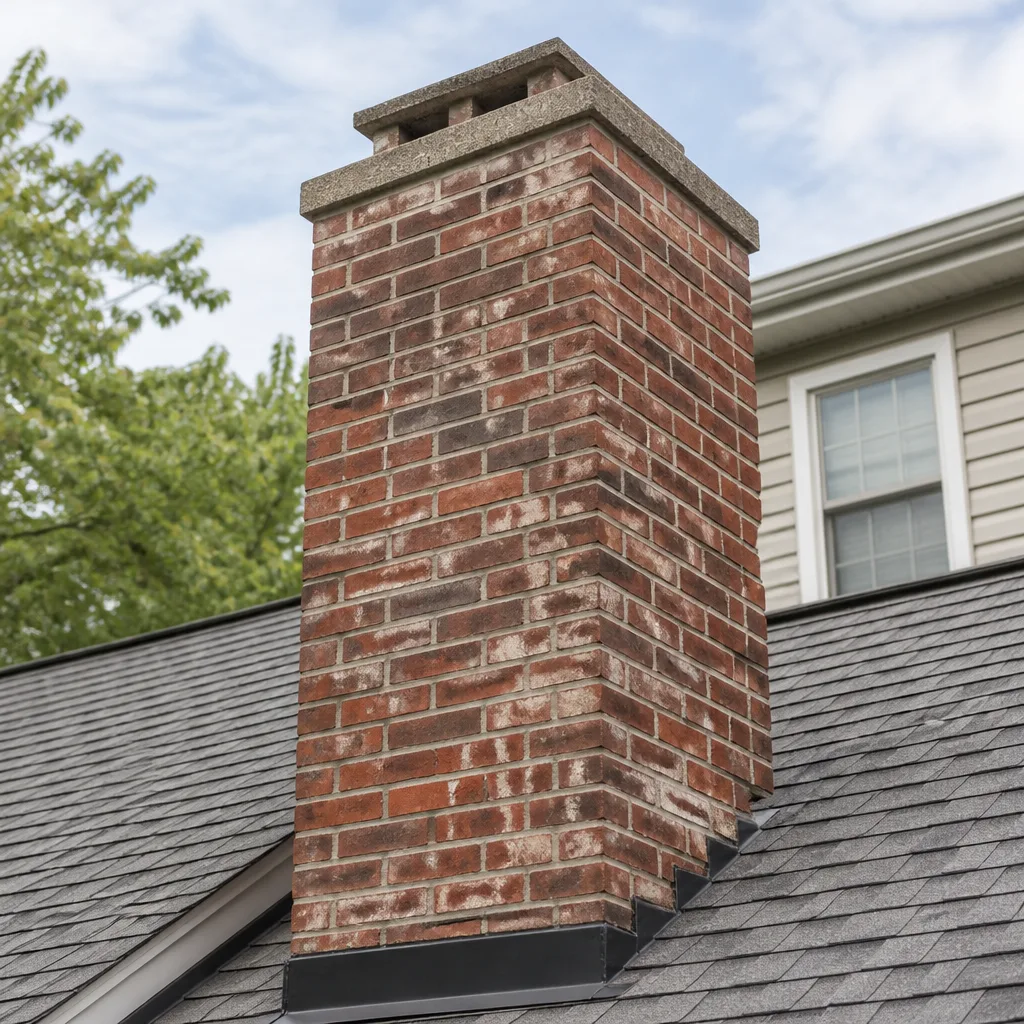
- Check the flashing from the ground. You don’t need a ladder. Stand in your yard and look at where the chimney meets the roofline. Flashing that is lifting, curling, or has visible gaps is the most common source of Tampa chimney leaks, because hurricane-force wind works it loose year after year.
- Shine a flashlight up the flue. From the firebox, open the damper and aim a bright flashlight up. You should see the flue liner and, at the top, the chimney cap. If you can’t see the cap, something is blocking the flue: a nest, debris, or creosote buildup. Write down what you see, or take a photo.
- Test the damper. Open it, close it, open it again. A damper that sticks, squeals, or won’t seal is a sign of rust from humid air. In Tampa, dampers rust faster than in dry climates because they sit closed in a humid chimney for most of the year.
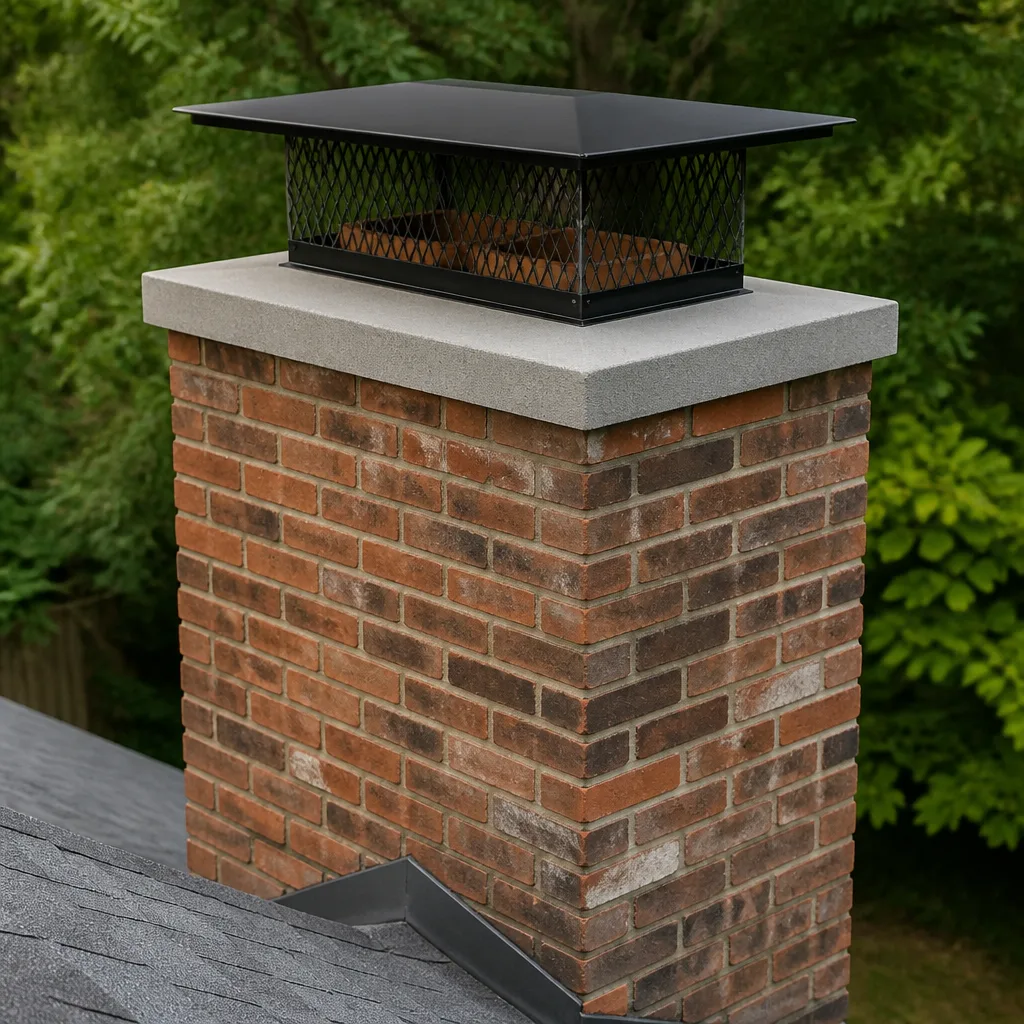
- Check the chimney cap. If you can see it clearly from the ground, look for dents, tilting, or missing sections. A chimney cap that is loose or damaged is an open invitation for rain, birds, and in Tampa’s spring, nesting squirrels. If you can’t see the cap clearly, note that too and ask a tech to photograph it.
November: Pre-Burn-Season Prep
- Schedule a sweep if you haven’t had one in two years. The National Fire Protection Association recommends a sweep when creosote reaches 1/8 inch thickness, which for most Tampa homeowners works out to every one to two years depending on how often you burn. If you’re not sure, have it checked. A sweep in Tampa typically runs $180 to $340, and at Hadley Chimney Tampa, you’ll get a written price before any work starts.
- Check your carbon monoxide detector. This is a burn-season essential, not a suggestion. If your fireplace or gas insert produces any combustion, you need a working CO detector in the same room. Replace batteries, test it, and note the date.
- Verify your fireplace glass door or screen. If you have a wood-burning fireplace, the screen or glass door is your spark containment. Look for holes, warping, or loose frames. A damaged screen in a Tampa home with pets or kids is a burn hazard in the living room.
- Clear the hearth area. Rugs, blankets, firewood stacked too close, pet beds: any combustible within three feet of the fireplace opening is a risk. Tampa homes often have smaller hearths than northern homes, which means less margin for error on placement.
December to February: The Burn Season
- Burn seasoned hardwood only. In Tampa, the temptation is to buy whatever bag is cheapest at the grocery store or gas station. Green or resinous wood creates more creosote, faster. Seasoned oak or hickory burns cleaner. If your fires produce thick smoke, the wood is part of the problem.
- Check for smoke backup while burning. If smoke enters the room instead of going up the flue, stop the fire and investigate after it cools. Common causes include a closed damper, a blocked flue, or a chimney cap that is clogged. Smoke in the living room is a chimney problem, not a wood problem.
- Monitor the damper position. Keep the damper open while burning and close it when the fireplace is fully cold. In Tampa’s humid winter, a damper left open after a fire draws damp outdoor air into the house and accelerates rust inside the chimney.
- Remove ash regularly but not completely. A thin layer of ash (about one inch) insulates the fire and helps new logs catch. But a deep pile of ash holds moisture, and in Tampa’s humidity, a damp ash pile promotes rust and odors. Scoop it down once a month during burn season.
March to April: Burn Season Wrap-Up
- Schedule an end-of-season check. Once you’re done burning for the year, have the chimney looked at before it sits unused for five months. Creosote that formed during burn season should be evaluated. In our experience, a spring sweep after heavy winter use means you start next October with a clean chimney instead of a backlogged problem.
- Close the damper and check the seal. A damper that doesn’t seal lets humid air flow up and down the flue all summer. If you can feel a draft when the damper is closed, the seal has failed and needs replacement or repair. See our chimney repair service in Tampa for damper work and other fixes.
- Note any smells. The classic Tampa summer complaint is a fireplace smell that shows up in July. That odor is almost always humid air moving through creosote deposits, pulling the smell down into the house. A clean chimney with a sealed damper should have no odor.
May to September: The Moisture-Monitoring Off-Season
- Check for white staining monthly. Efflorescence – the white mineral deposit that appears on masonry when water evaporates – is the earliest visible sign of water intrusion in a chimney. Walk outside, look at the chimney, and note any new white patches. In Tampa, efflorescence often appears after spring thunderstorms.
- Look for spalled brick. Spalling is when the brick face flakes, chips, or peels away. It happens when absorbed moisture expands and contracts. Tampa’s heat accelerates it. If you see brick fragments at the base of the chimney or flaking on the chimney face, the masonry needs professional attention before the next hurricane season.
- Listen for animals. Squirrels in spring, birds in early summer, sometimes raccoons. A chimney without a proper cap is a hollow tree to local wildlife. Scratching, chirping, or nesting material visible from the firebox is the giveaway. The fix is a proper chimney cap and a sweep to remove whatever they left behind.
- Get an annual inspection. The Chimney Safety Institute of America recommends an annual inspection regardless of usage. In Tampa, that inspection should happen in October before burn season, not in spring when the rest of the country thinks about chimneys. Hadley Chimney Tampa offers sweep availability aligned with Tampa’s actual calendar.
If you’d like a professional to walk the full checklist with you, our Tampa team can schedule a sweep or inspection at a time that works for you, and you’ll receive your written price before any work gets scheduled.
What You Can See From the Firebox: 5 Visual Checks That Need No Tools
You don’t need a ladder, a camera on a pole, or any specialized equipment to evaluate the most common Tampa chimney problems. Here are five checks you can do from your knees, looking up into the firebox with a flashlight, that will tell you most of what you need to know.
- Look at the flue liner surface. The flue liner is the visible wall of the chimney inside the flue. If it’s clay tile, look for vertical cracks, missing sections, or gaps between tiles. If it’s metal, look for rust streaks, separation at the seams, or visible holes. Any of these means combustion gases could leak into the house. This is the single most important visual check in a Tampa chimney, and it takes thirty seconds.
- Check the smoke shelf. The smoke shelf is the flat ledge just above the damper, which you’ll see when you open the damper and look up. Debris on the smoke shelf often includes leaves, twigs, nesting material, and crumbling masonry. A cluttered smoke shelf is a sign either that the cap is compromised or that buildup hasn’t been cleared in a while.
- Look for water stains on the firebox walls. Rust-colored streaks, white mineral deposits, or dark water marks on the firebox brick indicate water has been entering somewhere above. In Tampa, this is most common after hurricane season and almost always points to failed flashing, a cracked chimney crown, or a missing cap.
- Inspect the damper mechanism. Look at the damper itself: the metal plate, the handle mechanism, and the frame it seats in. Rust, warping, or visible gaps around the damper edge mean the damper is no longer sealing. In a humid climate like Tampa, this also means humid air has been circulating through the chimney all summer, which accelerates rust and creosote odor problems.
- Check for creosote buildup. Creosote is the flammable tar residue left by wood smoke. In the flue, it looks like dull black or brown flakes, drips, or a shiny, tar-like glaze. In Tampa, where burn seasons are short, homeowners tend to get glazed creosote from burning convenience-store wood during occasional cold snaps. Any visible coating thicker than a dime should trigger a sweep before the next fire.
These checks take less than five minutes and require only a flashlight and a phone camera. Do them in October before you burn, and again in March after burn season ends. If you spot anything that worries you, our Tampa chimney repair team can evaluate it and give you a written price before any work is ordered.
Document Everything: The Phone Photo Checklist Before a Tech Arrives
Here’s where the modern homeowner has an advantage that didn’t exist fifteen years ago. Your phone camera lets you build a record of your chimney’s condition before any technician arrives, which means you can verify what they tell you against what you’ve already documented. This is the same visibility standard we apply through The Relay Visibility Guarantee at Hadley Chimney Tampa: before-and-after photos, live arrival tracking, and a written price before work begins. You should hold that standard whether you hire us or anyone else.
Before scheduling a sweep or inspection, capture these five photos:
- Full exterior of the chimney from ground level. Stand where you can see the entire chimney from cap to roofline. This is your baseline for flashing, cap, and masonry condition.
- Close-up of the chimney cap. Use zoom from the ground if needed. Capture any rust, dents, tilting, or missing mesh. A damaged cap is the most common entry point for water and animals in Tampa.
- The flashing where the chimney meets the roof. From your yard or a neighbor’s yard, photograph the roofline seam. Look for lifting, gaps, rust, or caulk that has separated over the summer.
- The firebox interior with the damper open. Stick your phone in the firebox, aim up, and take a photo. This captures the damper condition, the smoke shelf, and whatever is visible of the flue liner. The photo won’t be perfect, but it will show obvious issues.
- Any stains, smells, or debris you’ve noticed. Photograph water marks on the hearth, rust streaks on the damper, white mineral staining on the exterior brick, or the pile of bird nesting material that fell into the firebox. These photos give the tech precise context before they even arrive.
When the technician arrives, ask them to photograph the same five spots during or after the service. At Hadley Chimney Tampa, we document before-and-after conditions on every job, so you receive photos showing what we found and what we fixed. If a different company won’t show you photos, that’s a red flag. You should never take a “you need a new liner” diagnosis on faith when you can’t see the damage yourself.
Want that level of visibility from a chimney company? Book a chimney sweep in Tampa with us and you’ll receive live arrival times, photo documentation, and a written price before a brush touches your flue.
Gas Fireplace Inserts in Tampa: A Different Maintenance Animal
In Tampa, gas fireplace inserts are far more common than wood-burning fireplaces, especially in homes built after 1990 and in master-planned communities like New Tampa, Westchase, and FishHawk Ranch. Gas inserts have different maintenance triggers, and national checklists that focus on creosote and chimney caps miss most of what a gas insert actually needs.
Here’s the gas insert checklist for Tampa homeowners:
- Check the glass for cloudiness or white film. Gas combustion produces water vapor that deposits minerals on the inside of the glass. Over time, this film dulls the flame view and, if left long enough, etches the glass permanently. Clean the glass with a manufacturer-approved cleaner at least once a year, ideally before burn season.
- Inspect the gasket seal. The glass door seals against the firebox with a fiberglass gasket. A gasket that has flattened, cracked, or separated lets combustion byproducts into the room. This is a carbon monoxide risk, not a cosmetic issue. Replace the gasket when it no longer seals tightly, or have it done during an annual service.
- Listen for changes in the burner flame. A gas insert flame should be blue at the base and yellow at the tips, steady and consistent. A flame that flickers, pops, has a strong yellow body, or burns with visible sooting is a sign of burner obstruction or incorrect air-to-fuel mixing. Have it adjusted by a technician who works on gas appliances regularly.
- Test the vent termination outside. Gas inserts vent through a small pipe or direct-vent cap on the exterior wall or roof. Check the termination for blockages: leaves, wasp nests, pine needles. Tampa’s oak trees and paper wasps make exterior vent blockages a real summer-to-fall problem.
- Schedule an annual gas insert service. This is different from a chimney sweep. A gas insert service includes burner cleaning, pilot assembly inspection, glass and gasket check, and vent verification. If you have a gas insert in Tampa, see our gas fireplace repair service in Tampa for annual maintenance and repair.
In our experience, Tampa gas insert owners tend to skip maintenance because the insert has no visible creosote and no soot problem. That’s a false read. Gas inserts fail through gasket deterioration, burner clogging, and vent blockages, all of which are invisible from the living room and all of which create carbon monoxide risk. The advice is simple: if it burns gas, it gets an annual service.
The Chimney Log: One Photo, One Date, One Note
If you do nothing else from this guide, do this one thing. Keep a chimney log. It takes thirty seconds per entry, and it protects you in ways most Tampa homeowners don’t think about until they’re in a real estate transaction in Hillsborough County.
Here’s how it works. Each time you interact with your chimney – a sweep, an inspection, a repair, or one of the visual checks from the firebox – you make one entry in your log. The entry has exactly three components:
- One photo. Take a photo of whatever you checked or whatever was done. The exterior from ground level, the firebox interior with the damper open, or the invoice from the sweep company.
- One date. The date of the check, sweep, or repair. That’s it.
- One note. One sentence. “October sweep, light creosote, tech recommended new cap before spring.” Or “Noticed white staining on exterior brick, scheduling inspection.” That’s the whole note.
Keep this log in a note app, a Google Doc, or a photo album on your phone. The format doesn’t matter. The consistency does.
Why this matters for a Tampa homeowner specifically: when you sell your home in Hillsborough County, the buyer’s home inspector will look at the fireplace and chimney. If you can produce a log showing the chimney was inspected in October 2023 and October 2024, swept in November 2022, and had a new cap installed in March 2024, that changes the negotiation. The buyer knows the chimney has been maintained. Without a log, any chimney finding – even a minor one – becomes a negotiation point, and in Tampa’s seller’s market, that point often becomes a repair credit you didn’t need to give.
The log also keeps you honest with yourself. When October rolls around, and you’re not sure if the chimney was swept last year or the year before, the log answers it. When a tech says the liner is failing, but your log shows it was inspected eight months ago and looked fine, you have a reference point for a second opinion.
Hadley Chimney Tampa provides all the ingredients for this log on every visit: photos, a written report, and a dated invoice. You just have to file them in one place.
Common Mistakes to Avoid
- Waiting until December to think about the chimney. By December, Tampa has already had three months of post-hurricane-season weather working on the flashing, cap, and masonry. The October inspection window exists for a reason. Skip it and you’re reacting to problems instead of preventing them.
- Assuming “I never use the fireplace” means no maintenance is needed. In Tampa, the risk is moisture, not just fire. A dormant chimney still has flashing, a cap, a crown, and a liner, all of which deteriorate from humidity and storm exposure even if you never light a fire. Unused chimneys still need annual inspection.
- Burning convenience-store wood. Gas station bundles and grocery store logs are often green, resinous softwoods. They create more creosote in less time, which means more frequent sweeps and a higher fire risk. Seasoned hardwood costs more per bundle and costs less in chimney maintenance.
- Ignoring white staining because it “comes and goes.” Efflorescence in Tampa reappears with each wet season, and each cycle means water is moving through the masonry. What looks like harmless white powder is the early warning of spalling, which is expensive to repair and can compromise the chimney structurally.
- Closing the damper immediately after a fire. The fire is out but the coals are still warm, and closing the damper traps combustion gases and humidity in the chimney. Let the fireplace cool completely before closing the damper. In Tampa’s humidity, this matters even more because trapped moisture accelerates rust.
- Accepting a chimney diagnosis without seeing photos. If a technician tells you the liner needs replacement but can’t show you the crack, get a second opinion. Modern chimney work should include photo documentation. At Hadley Chimney Tampa, we show you before-and-after photos on every job, no exceptions.
When to Call a Professional
Some chimney issues are homeowner-checkable and some are not. Call a professional if you see any of the following: vertical cracks or missing sections in the flue liner (visible from the firebox), water actively entering the firebox during or after rain, smoke backing into the room while the damper is open, a damper that will not open or close, or any flame behavior from a gas insert that includes popping, excessive yellow color, or visible soot. These conditions involve combustion safety, structural integrity, or venting, and they are not DIY territory.
In our experience, most Tampa chimneys with problems are found, not experienced. Meaning, the homeowner doesn’t know anything is wrong until water stains show up on the ceiling or smoke rolls into the living room. Annual inspection catches these things before they become visible to you. Hadley Chimney Tampa offers free estimates in Tampa – call (850) 790-3475 to schedule a sweep or inspection, and you’ll get a written price and a photo report on what we find.
Frequently Asked Questions
A chimney sweep in Tampa typically costs between $180 and $340, depending on the chimney’s condition, the degree of creosote buildup, and whether any repairs are needed. At Hadley Chimney Tampa, you receive a written price before any work begins, so there are no surprise charges after the fact. Call (850) 790-3475 for a specific quote on your chimney.
Most Tampa homeowners should have their chimney swept every one to two years, depending on how often they burn and what kind of wood they use. The National Fire Protection Association standard is to sweep when creosote reaches 1/8 inch thickness, which a professional can measure during inspection. In Tampa’s short burn season, annual inspection is more important than annual sweeping, but the two should happen together at least every two years.
Always ask for photographic evidence before agreeing to any liner replacement. A liner replacement is a substantial repair, and a homeowner should never approve it based on a verbal diagnosis alone. If the technician can show you the crack, spall, or separation in the liner, the repair is justified. If they cannot show you, get a second opinion. At Hadley Chimney Tampa, every recommendation includes photos you can see for yourself, so you’re not taking our word for it. Call (850) 790-3475 for a second opinion or a documented inspection.
In Tampa, the most likely result of skipped maintenance is moisture damage, not creosote fires. Water entering through a failed cap, cracked crown, or loose flashing erodes mortar, rusts the damper and liner, and eventually causes spalling and structural damage. By the time you notice water stains on the ceiling or a musty smell in the firebox, the repair cost is significantly higher than the cost of a sweep and inspection would have been. The chimney also becomes a fire risk if creosote has accumulated unmonitored. Call (850) 790-3475 if it has been more than two years since your last chimney check.
A gas insert does not need a traditional creosote sweep the way a wood-burning fireplace does, but it does need an annual service that covers the burner, pilot, glass, gasket, and vent. If your gas insert is vented through an existing chimney, that chimney also needs occasional inspection for moisture and structural condition. See our gas fireplace repair service in Tampa for the right maintenance path for your insert.
The best month to schedule a sweep in Tampa is October, immediately after hurricane season and before the first cold front. This timing catches any storm damage from the summer and ensures the chimney is clean and safe before the burn season starts. Sweeping in October also gives you the longest window to address any repairs before you want to use the fireplace. Call (850) 790-3475 in early October and we can usually have a Hadley Chimney Tampa technician out the same week.
The Bottom Line
Tampa homeowners need a chimney maintenance approach that matches the city’s actual climate: hurricane season first, humidity always, and a short burn season that starts around Thanksgiving. The core routine is simple: inspect in October after the storm season, sweep before the first cold front if needed, monitor for moisture through the spring and summer, and keep a one-photo, one-date, one-note log every time you touch the chimney. The five visual checks from the firebox require no tools and take five minutes. The phone photo checklist gives you leverage with any technician. And the chimney log protects you at closing time. In Tampa, the chimney isn’t a winter appliance – it’s a year-round moisture management system, and it should be maintained like one.
Ready to get your chimney on Tampa’s real maintenance calendar? Call Hadley Chimney Tampa at (850) 790-3475 for a free estimate. You’ll get live arrival times, before-and-after photos, and a written price before any work begins – the same standard we’ve held since 2003.
Written by Cory Mitchell, Owner at Hadley Chimney Tampa, serving Tampa since 2003.
See the difference
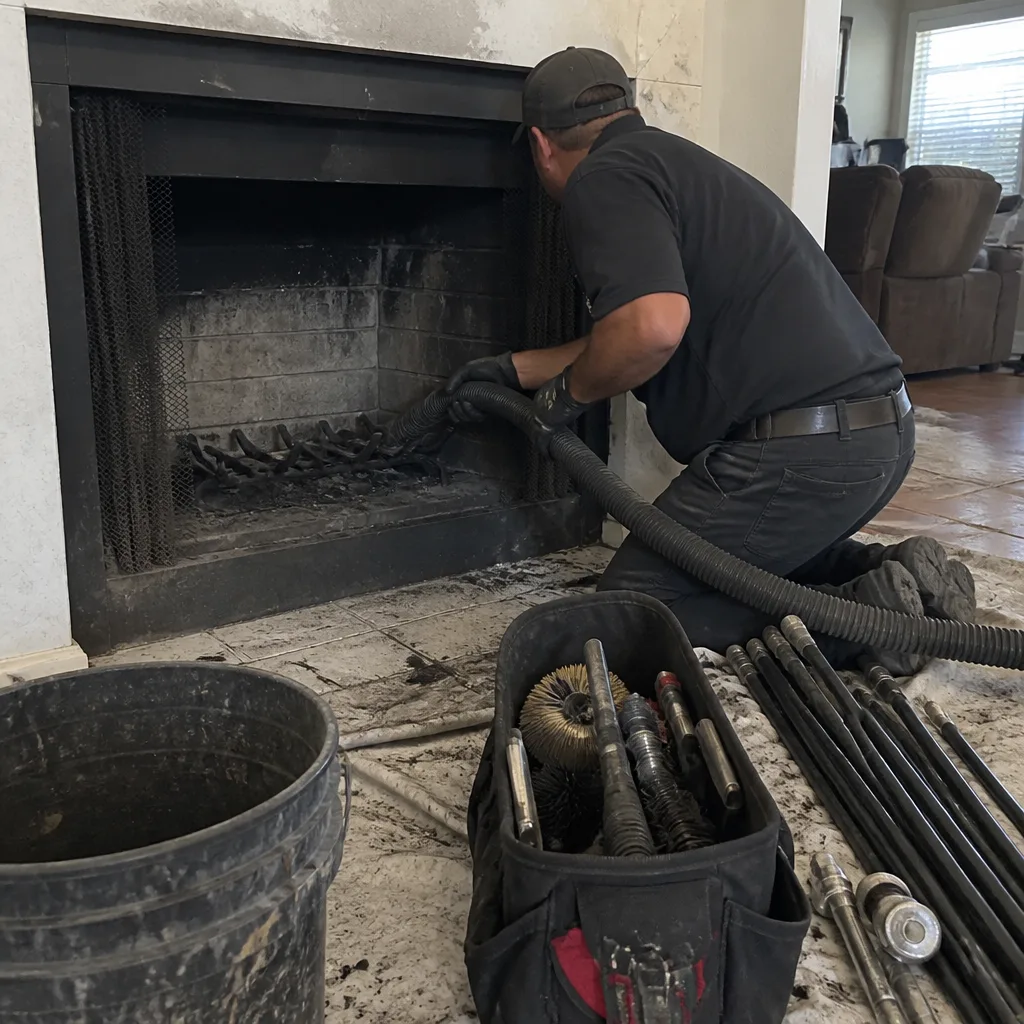 Before
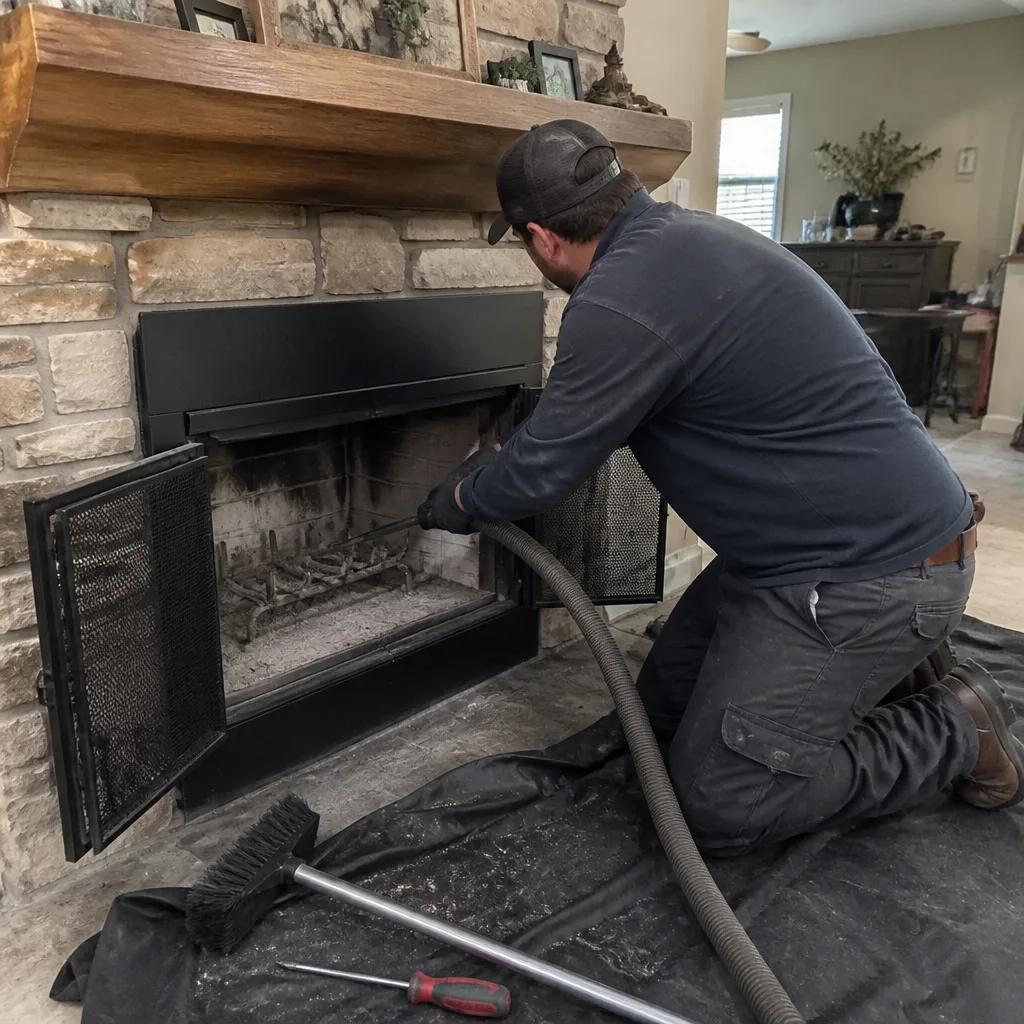 After
After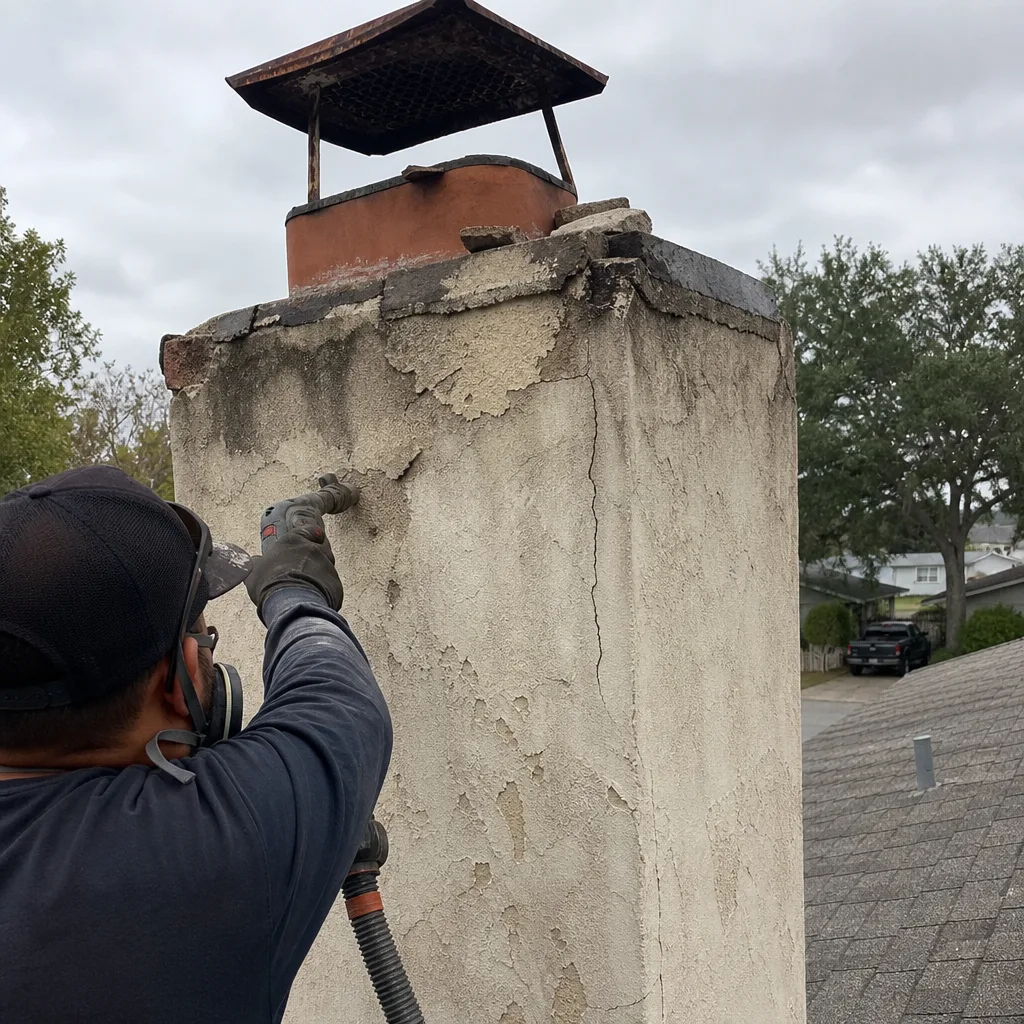 Before
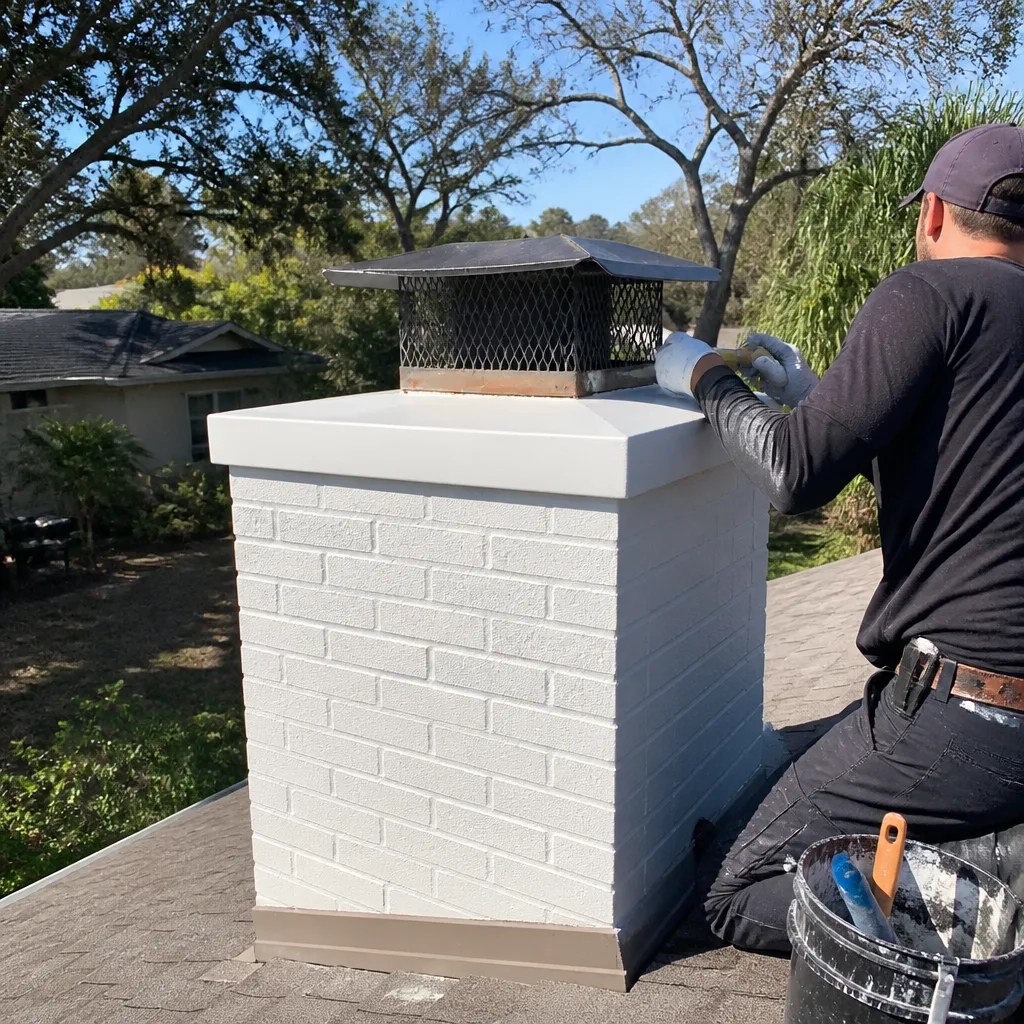 After
After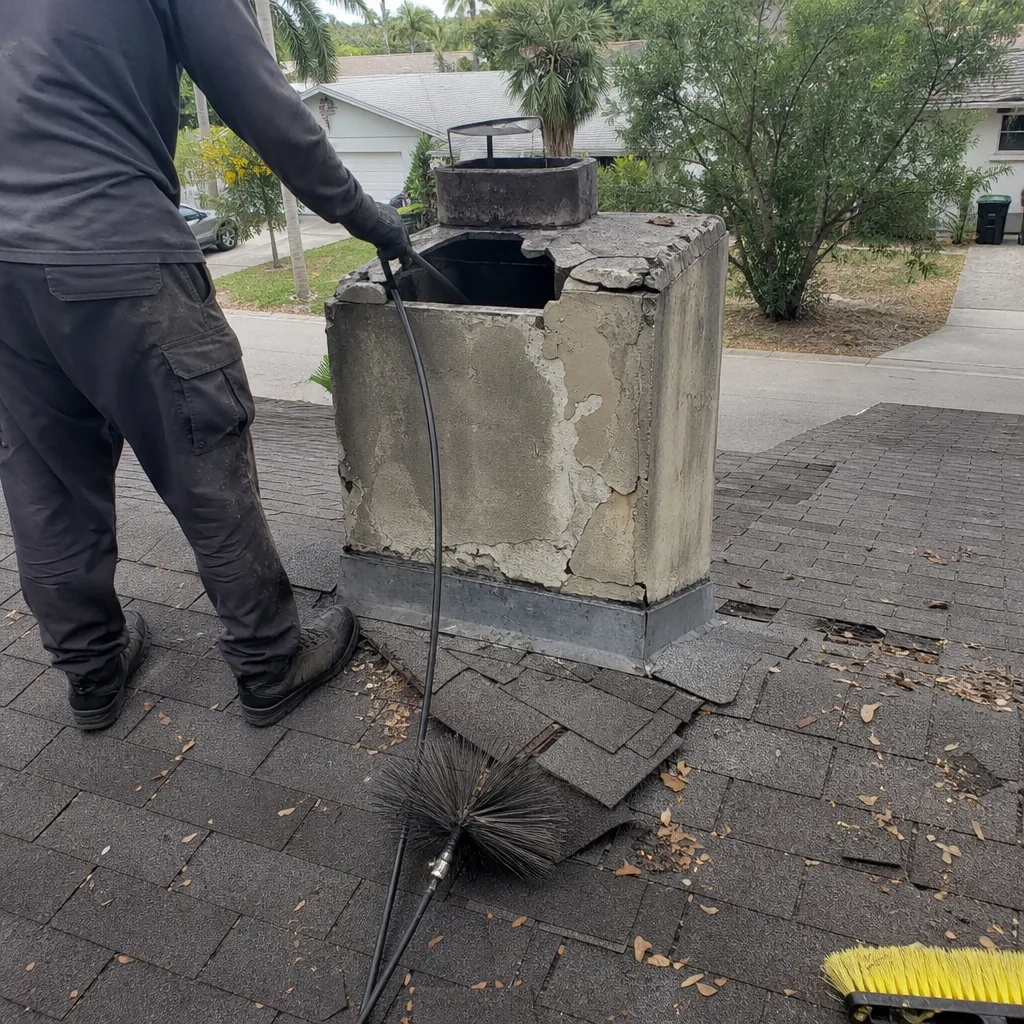 Before
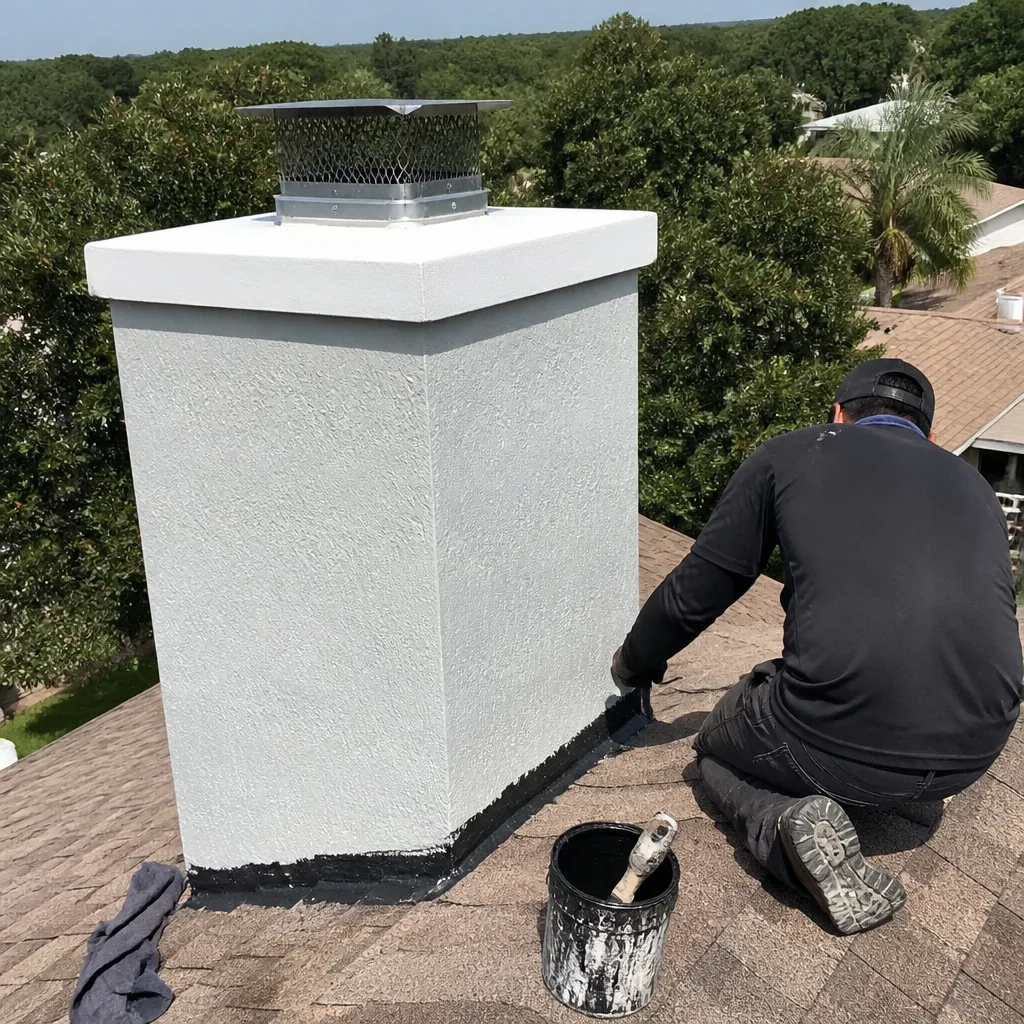 After
After