
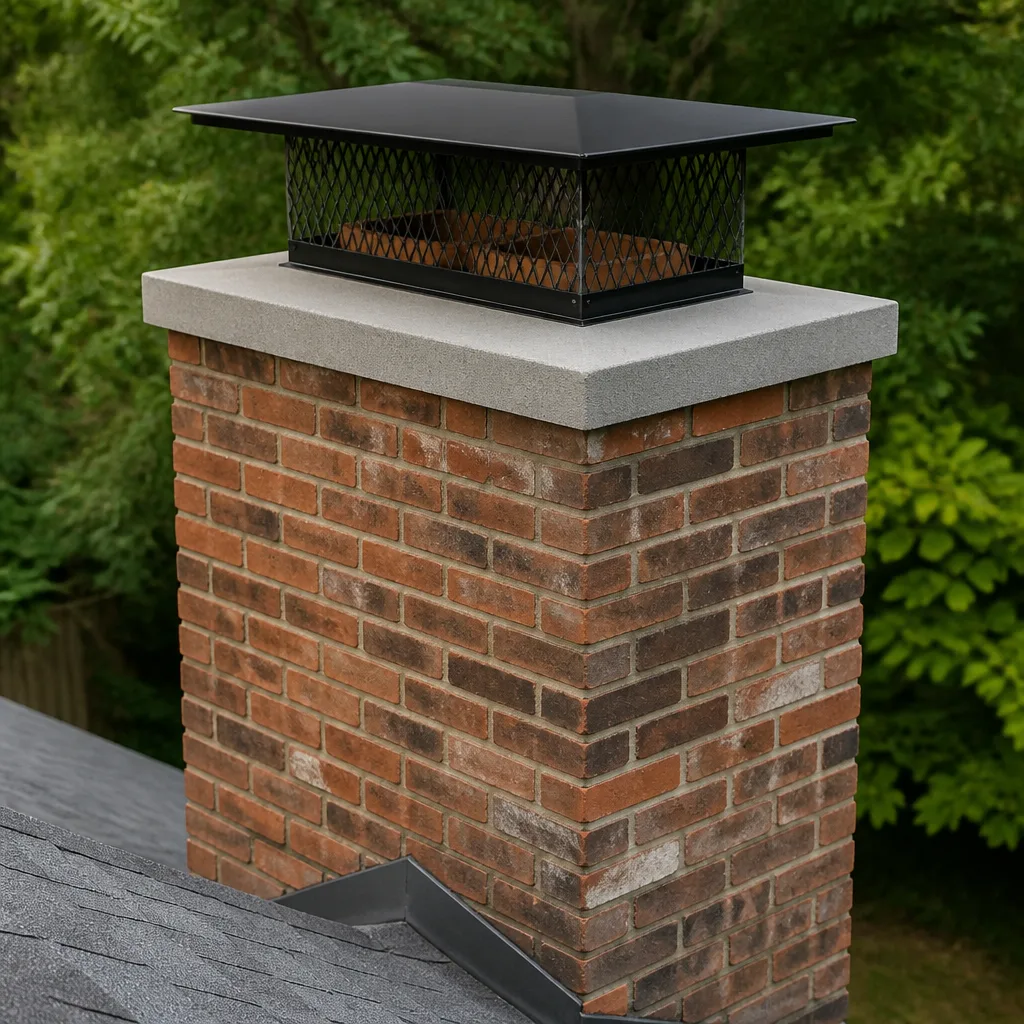
 Caps & crowns
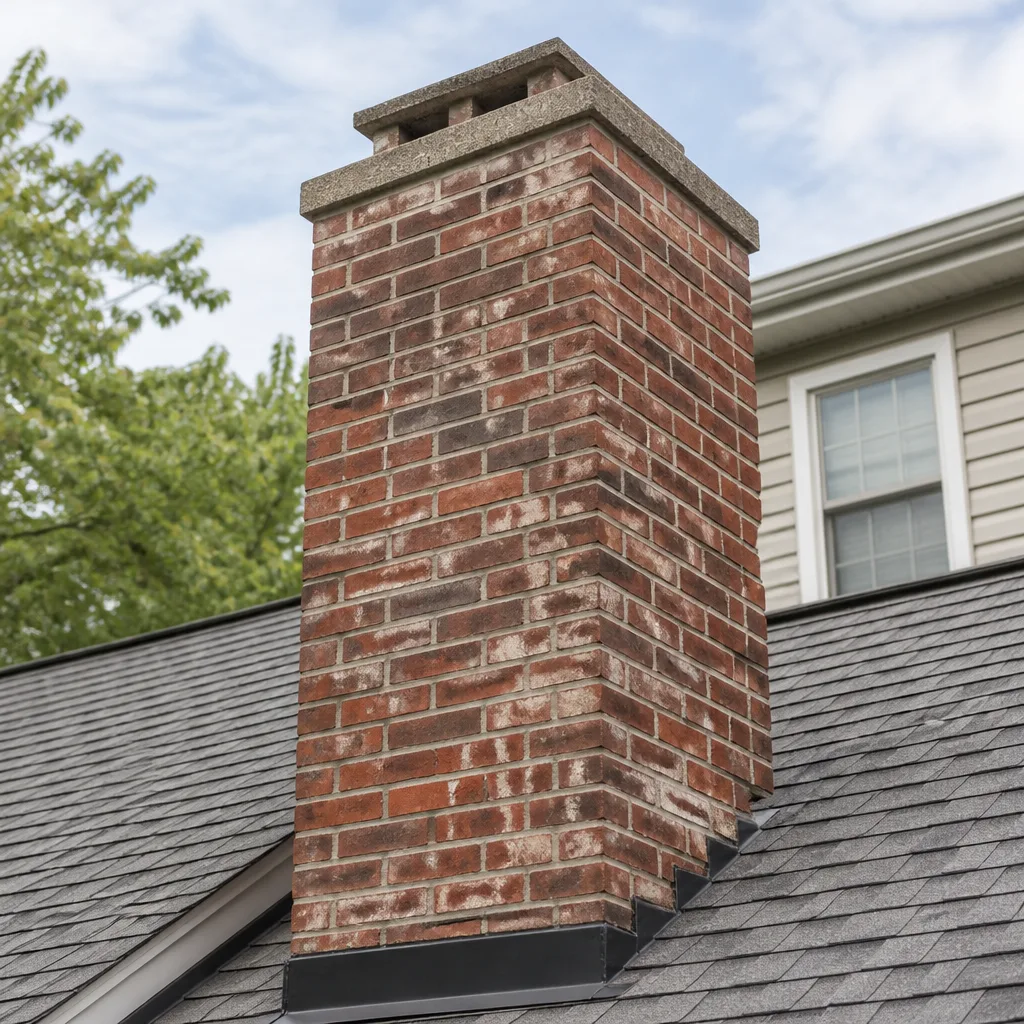 Masonry repair
Level 1 sweep and inspection to the NFPA 211 annual standard - flue, crown, cap, and flashing checked and photographed
Chimney sweep logs do not sweep chimneys. They loosen some creosote - which then falls where a brush and vacuum still have to collect it.
Styles & brands we work with
See the difference
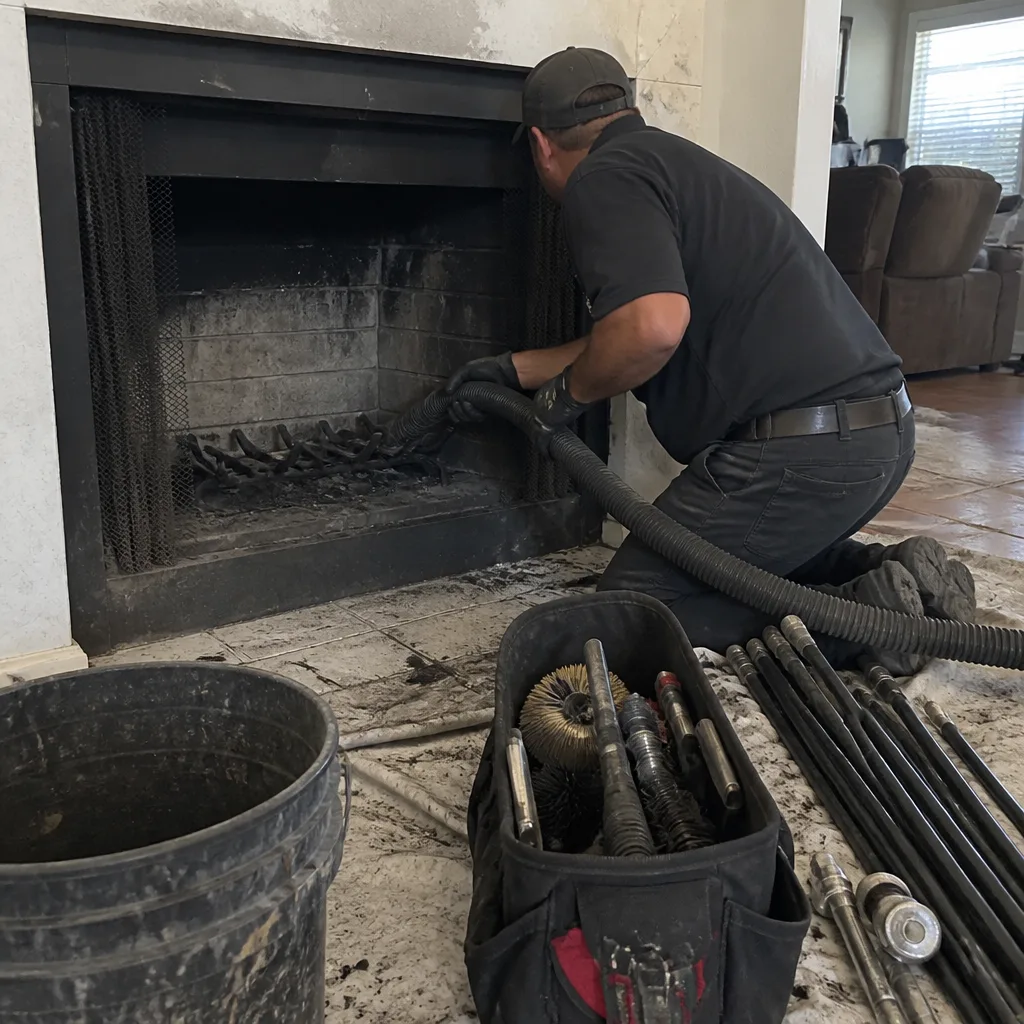 Before
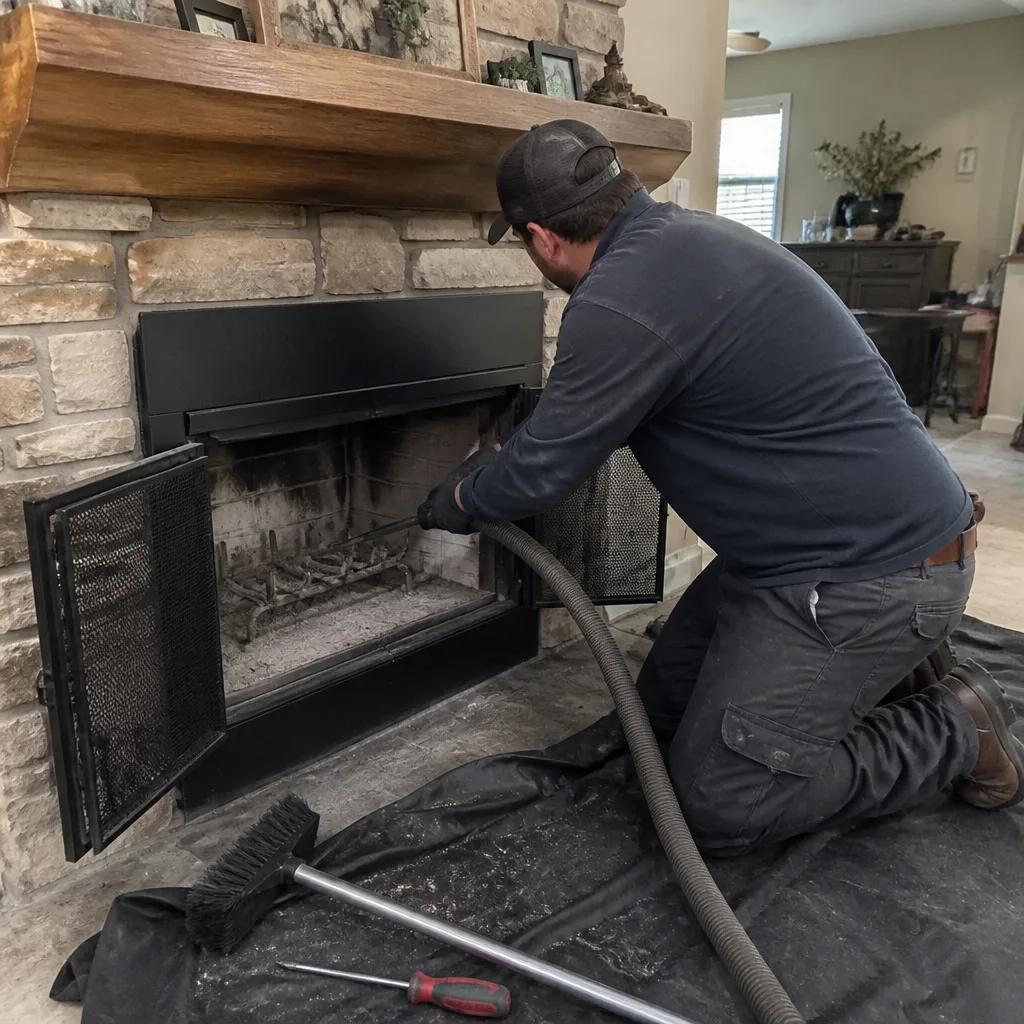 After
After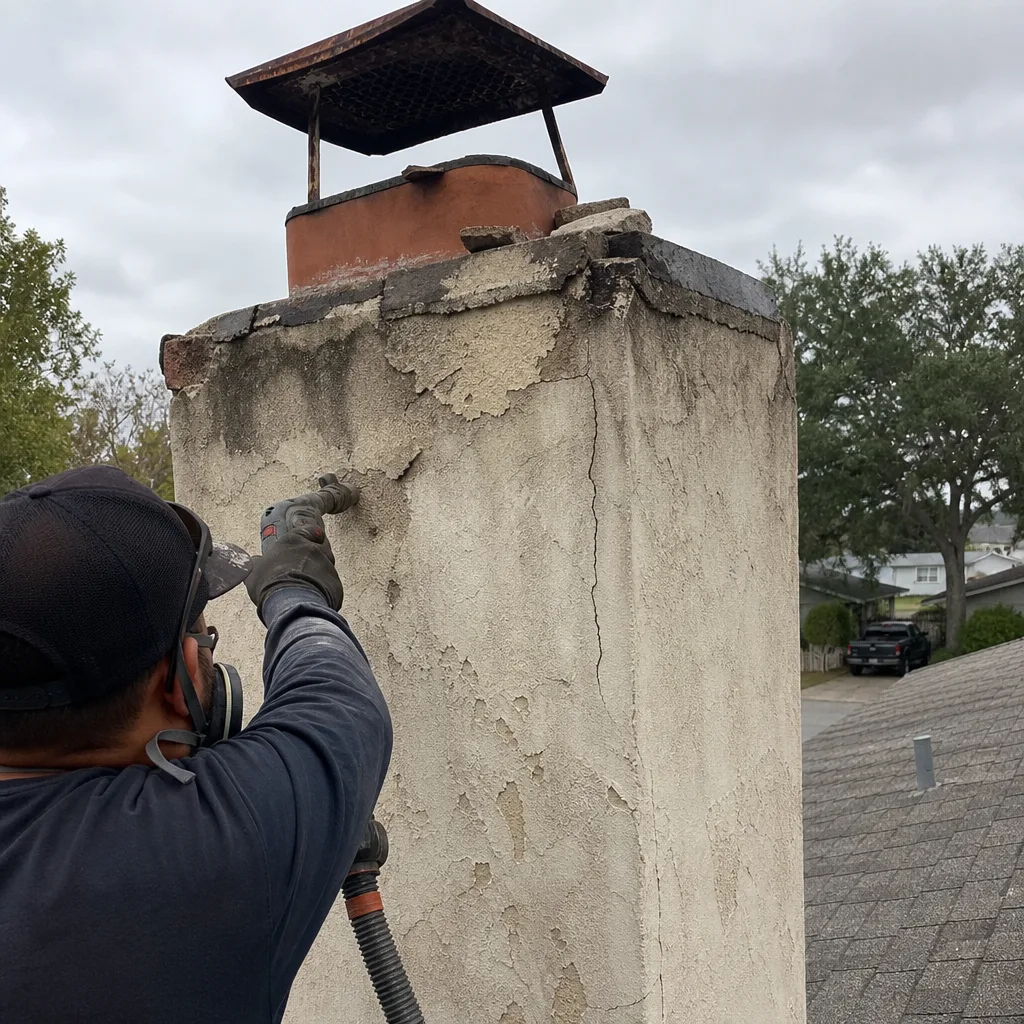 Before
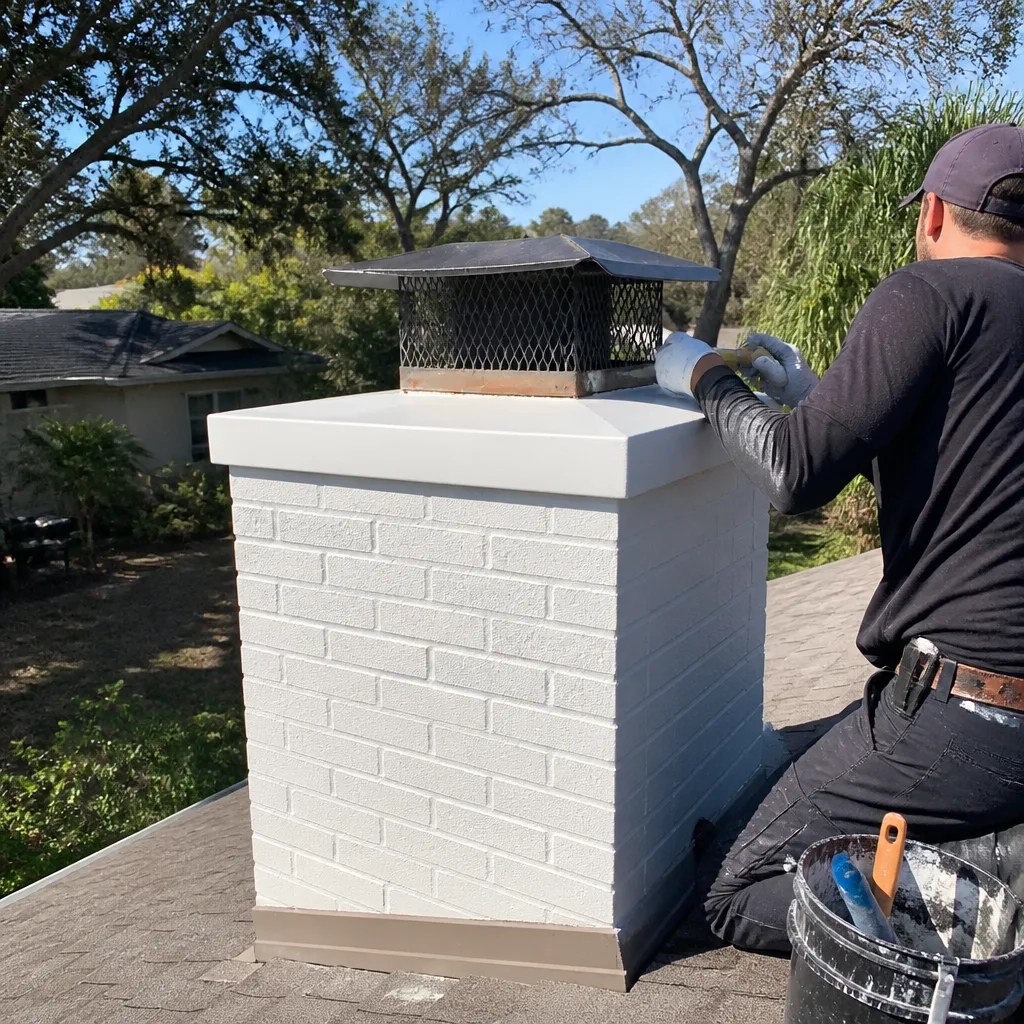 After
After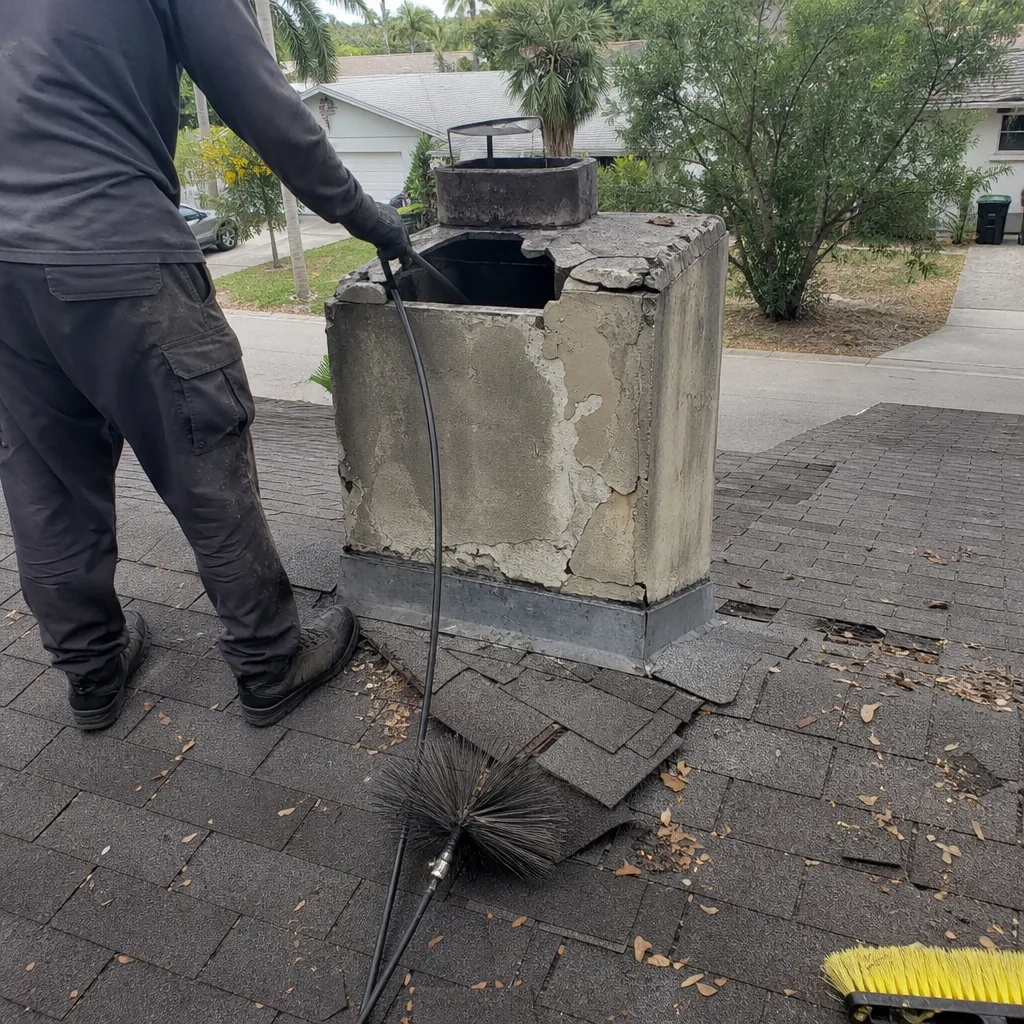 Before
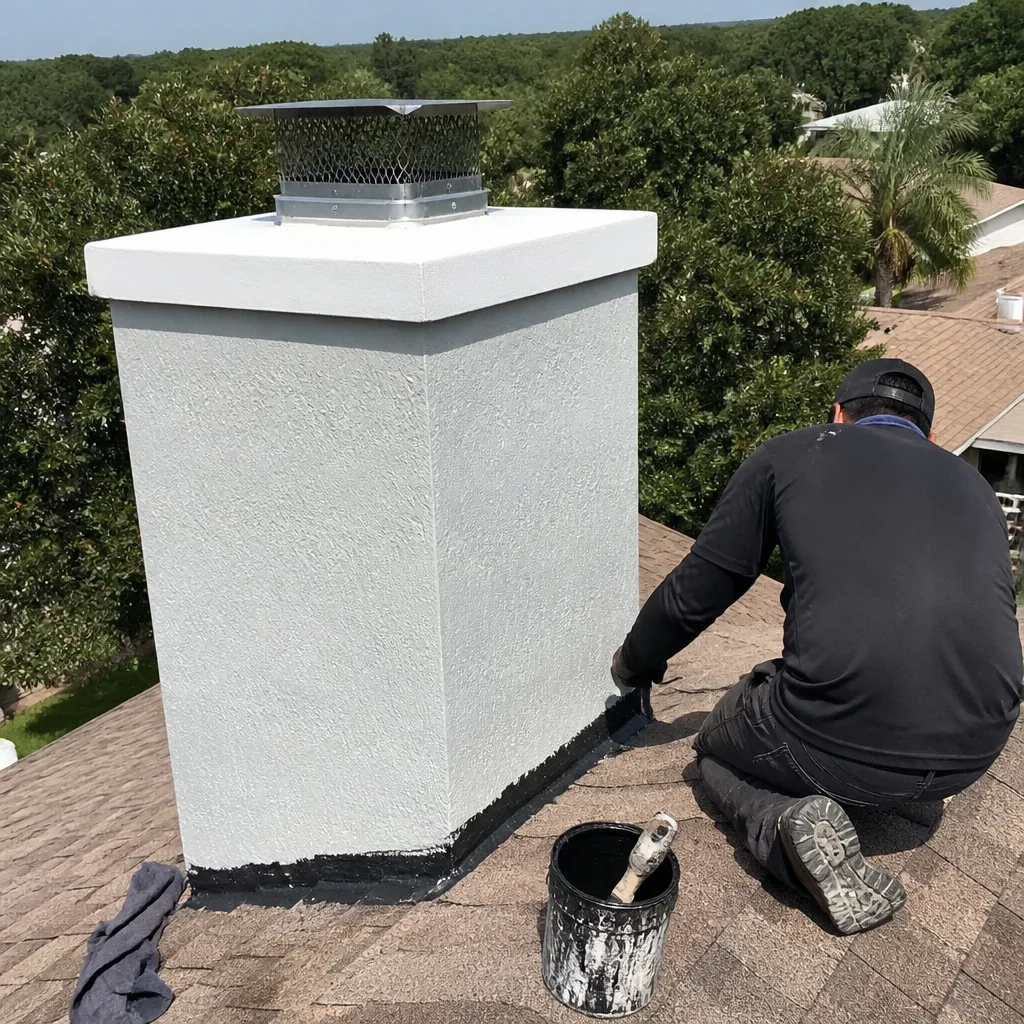 After
AfterCreosote Removal in Tampa, FL
Creosote removal in Tampa typically costs between $175 and $350 for a standard chimney sweep and runs higher when heavy glaze buildup requires chemical treatment or mechanical rotary work. Most jobs take 45 to 90 minutes and can be scheduled within a few days. If you’re seeing dark, shiny tar inside your chimney or you’ve noticed a strong smoky odor even when the fireplace isn’t in use, call Hadley Chimney Tampa at (850) 790-3475 for a written price before anyone picks up a brush.
Creosote is the flammable tar residue that condenses inside your flue every time wood burns incompletely. Left alone, it becomes the primary fuel source for chimney fires. Our Chimney Cleaning & Sweep in Tampa services remove it at every stage, from light soot to thick, glass-like third-degree glaze and we document the before and after with photos so you can see exactly what was done.
Key Takeaways:
- Creosote removal in Tampa runs $175 – $350 for standard sweeps; heavy glaze removal costs more.
- Hadley Chimney Tampa works on all three creosote stages, including hardened third-degree glaze.
- Every job includes a written price before work starts, photo documentation, and a 365-day written guarantee on any repair.
- Call (850) 790-3475 anytime. A live person answers, 24/7.
What Creosote Is and Why It Builds Up
The term came from the chimney trade and it shows up in three stages. Stage one is loose, powdery soot that brushes off easily. Stage two is a crunchy, flaky crust that looks like dark popcorn and needs more aggressive brushing. Stage three is a hard, glossy glaze that forms when creosote is repeatedly heated and cooled without being cleaned; it melts into a tarry coating that insulates the flue and fuels repeat chimney fires. The National Fire Protection Association says any layer thicker than 1/8 inch needs removal before the chimney is safe to use again.
Tampa’s climate makes this worse in a specific way. We run air conditioning most of the year, so fireplaces sit unused for months at a time. Condensation forms inside the flue from the humidity, mixing with leftover smoke residue. That damp layer then bakes on hard the next time a fire is lit, accelerating the jump from stage two to glaze. We see this pattern regularly in homes across South Tampa, Seminole Heights, and Westchase; a fireplace that went one winter without a cleaning comes back with crust the following December.
Wood type matters too. Unseasoned oak and cypress, both common in Florida, produce more particulate and moisture than kiln-dried hardwoods. That means more residue per fire, not just after a cold snap. A short, smoldering burn at low temperature creates more creosote than a hot, efficient fire, so how you burn affects how often you need us out here.
When You Need Creosote Removal
Most Tampa homeowners figure this out through one of these signs:
- Visible black or shiny buildup inside the firebox or on the damper: If you can see flaky crust or a glossy coating on the walls above your fireplace opening, it’s past time for a sweep. A flashlight check up the flue usually reveals it.
- A strong campfire-like odor that gets worse when the AC kicks on: In humid months, creosote absorbs moisture and releases a sharp, smoky smell that moves through the whole house. This is one of the most common calls we get in Tampa between May and October.
- Poor draft and smoke pushing back into the room: When creosote narrows the flue, smoke has less room to exit and some of it comes back at you. You’ll notice hazy air and soot settling on furniture near the hearth.
- You hear crackling from the chimney during a fire: That sound isn’t normal wood popping; it’s often creosote igniting inside the flue. If you hear it, stop using the fireplace and call to schedule a sweep.
- It’s been more than 12 months since the last cleaning: The Chimney Safety Institute of America recommends annual sweeps for any fireplace used regularly, and more often for heavy wood burners. If you can’t remember the last cleaning, schedule one.
When the buildup hits stage three glaze, a standard wire brush won’t touch it. That’s when the job shifts from sweeping to creosote-specific removal using chemical treatments and rotary tools, and the price moves up accordingly. We’ll tell you which category yours falls into before work starts, in writing.
Our Creosote Removal Process
Here’s what happens when you book with Hadley Chimney Tampa:
- You call (850) 790-3475 and talk to a person. No automated phone tree, no “we’ll call you back.” We answer live, gather details about your fireplace and what you’re seeing, and schedule a window. You’ll get live arrival tracking, similar to a rideshare app, so you know exactly when we’re pulling up.
- A background-checked, uniformed technician arrives and sets up drop cloths. We protect the area around your fireplace with floor coverings before we start. Your technician will also show you ID if you ask; every Hadley tech is background-checked and vetted through Relay Home Co. standards.
- We inspect the flue and identify the creosote stage. Using a camera or direct visual inspection with a work light, we check the full flue from firebox to cap. We’ll show you what we’re seeing and explain whether you’re looking at stage one soot, stage two flake, or stage three glaze.
- You get a written price before any tool touches the chimney. This is the part that separates us from the old model. The number you approve is the number you pay. If we find glaze that changes the scope, we stop, show you photos, and give you a revised written price before continuing. Nothing gets added at the door after the fact.
- We remove the creosote using brushes, rotary tools, or chemical treatment as needed. Light and moderate buildup comes out with a sweep. Heavy glaze gets a chemical treatment that breaks down the tar, followed by rotary removal. We work with materials from trusted trade brands like HeatShield and Copperfield when treatments or repairs are involved.
- You get before-and-after photos and a digital invoice. We document the flue before and after the work, so you can see the difference, not just take our word for it. You pay through a link on the digital invoice. If any repair is part of the job, it comes with a written guarantee and a free second visit if the repair fails. That’s the 365-Day Done Right Promise, and it’s on every job, not just the big ones.
Creosote Removal Pricing in Tampa
Here’s what you can expect to pay for creosote removal in Tampa, based on the type of job and the severity of buildup:
| Service | Typical Tampa Price | What’s Included |
|---|---|---|
| Standard chimney sweep (stage 1 and light stage 2 creosote) | $175 – $260 | Full flue brushing, firebox cleanout, damper check, written guarantee |
| Moderate heavy creosote removal (thick stage 2) | $260 – $350 | Extended brushing time, rotary work, photo documentation of flue before and after |
| Glaze removal (stage 3, chemically treated) | $350 – $600 | Chemical treatment, rotary scraping, additional containment setup, camera check after treatment |
| Creosote buildup with minor cap or damper repair | $250 – $500 | Sweep plus repair work, written 365-day guarantee on the repair, free second visit if repair fails |
These are ranges based on jobs we’ve done throughout Tampa and Hillsborough County. What actually drives your price:
- Creosote stage and thickness: Stage three glaze can’t be brushed; it requires chemical softening and rotary tools, which adds labor, time, and containment needs. This is the single biggest price variable.
- Flue height and access: Two-story chimneys in areas like Palma Ceia and Bayshore take more time and setup than single-story homes in Brandon or Temple Terrace. Steep roof pitches can also add time if we need to access the cap from above.
- Liner condition: If the creosote has damaged or eroded the liner, you may need a resurfacing with HeatShield ceramic compound or a DuraFlex liner replacement. We’ll only recommend that if the camera photos show it’s genuinely needed, and you’ll see those photos yourself.
- Additional repairs found during the sweep: A cracked cap, a stuck damper, a damaged crown. We’ll show you the issue in photos and give you a separate written price for the repair. You approve it or you don’t; the sweeping price doesn’t change because we found something else.
Every estimate is free. Call (850) 790-3475, describe what you’re seeing, and we’ll give you a range over the phone. The exact written price comes after the inspection, before any work begins.
Why Tampa Homeowners Choose Hadley Chimney Tampa
We’re not the only chimney company in Tampa, and we respect that. But we do things differently in ways that matter when a stranger is working on your home:
- You’ll never chase a technician. You get a live arrival window, not a four-hour guess. The tech’s location updates in real time, exactly like you’d track a driver coming to your house. You’ll know who is coming and when they’ll be there.
- You’ll see proof of the work. Before-and-after photos of your flue are standard on every creosote removal job. Not a quick “it’s done” from the driveway; actual documentation of the inside of your chimney before we started and after we finished.
- The price won’t move once you’ve approved it. A written price before work starts, every single time. If the scope changes mid-job, we stop, show you photos, get your approval on a new written number, and only then continue. No surprise line items at the door.
- Repairs come with a real guarantee. We back every repair with a written 365-day guarantee. If a repair we made fails within a year, the second visit to fix it is free. This is a standing company commitment, not a marketing promotion.
- Founded in 2003. We’ve worked on Tampa-area fireplaces for over two decades, and we’ve seen every type of creosote buildup this climate creates. That experience means faster diagnosis and fewer “we’ll have to look into it” answers.
- The Relay Visibility Guarantee. Hadley is part of the Relay Home Co. family, which means every job includes live arrival tracking, before-and-after photo documentation, and a written price before work begins. It’s a standard we’re held to, not a feature we upsell.
How Often Should Creosote Be Removed in Tampa?
The standard guideline from the Chimney Safety Institute of America is an annual sweep for any fireplace used regularly. For Tampa specifically, we recommend the same schedule, with two adjustments:
- Heavy users (more than two fires a week during winter months): Schedule a sweep every 8 to 10 months instead of 12. Higher burn frequency means faster buildup, and waiting a full year can push you from stage two into glaze territory.
- Occasional users and gas fireplace owners: Still schedule an annual check. Gas fireplaces produce far less creosote, but the venting system still needs inspection for debris, blockages, and moisture intrusion. Florida humidity does its own kind of damage even when wood smoke isn’t in the picture.
The smart move for most Tampa homeowners is to book creosote removal in the late summer or early fall, before the first cool front rolls in and you actually want to light a fire. That way your chimney is clean and inspected before burn season, and you’re not waiting on a sweep while the weather is nice. Not every company gets booked out in September and October, but the good ones do. Plan ahead.
What Happens If You Don’t Remove Creosote
The short version: chimney fires, smoke damage, and expensive liner repairs. The longer version is worth understanding.
Creosote burns hot. A stage three glaze fire inside a flue can reach temperatures above 2,000 degrees. Clay liners crack under that heat, which then exposes the home’s framing to flames through those cracks. Even a stage two flake fire is enough to warp a metal damper and leave you with a faulty draft for the rest of the season.
Beyond fire risk, heavy creosote restricts airflow. That means your fireplace burns less efficiently, produces more smoke in the room, and deposits soot on walls and furniture. In a tightly sealed Florida home running AC, that smoke has nowhere to go but into your living space. We’ve seen this in older Tampa bungalows in Seminole Heights and Riverside Heights, where a restricted flue pushed smoke back through the firebox and blackened the surrounding mantel.
Finally, creosote is corrosive. Left in place, it eats into metal liners and accelerates rust. A chimney that could have gone another decade with regular sweeps will need a liner replacement years early. That’s a $1,500 to $3,000 job that starts with skipping a $200 sweep. It’s the most expensive savings plan in the house.
Creosote Removal for Different Fireplace Types
Wood-Burning Fireplaces
The classic open hearth. These accumulate creosote fastest, especially when burning unseasoned wood or running low, smoldering fires. We sweep these annually for regular users and use the full setup: drop cloths, HEPA-filtered vacuums, and a closed-loop cleaning process so soot doesn’t circulate into your home. Most wood fireplaces in Tampa homes built before 1990 also have older dampers and caps that need checking during the sweep.
Wood Stoves and Inserts
Stoves burn hotter and more efficiently than open hearths, which means less creosote per fire. But they also run through a smaller flue, often 6 inches, so buildup narrows the path faster. We see more stage two flake in wood stove pipes than in open fireplaces, simply because the residue has less room to spread out. If you run a wood stove in a Seminole Heights bungalow or a Brandon home, an annual sweep is non-negotiable.
Prefabricated Fireplaces
Many newer Tampa homes in New Tampa and Westchase have factory-built fireplaces with metal flue systems. These use specific brush sizes and require a gentler hand; a wire brush meant for masonry clay liners can scar a metal flue. We use the correct tools for prefab systems and check the chimney sections for any sign of warping from past heat exposure while we’re in there.
Gas Fireplaces
Gas logs and inserts produce minimal creosote, but they still get a check. What we’re really looking for is soot buildup on the logs, anything obstructing the venting path, and moisture intrusion from the cap or crown. Gas fireplaces in Tampa sometimes get ignored for years until the pilot won’t stay lit; a quick annual inspection catches issues while they’re small. We also repair gas fireplaces, so if the sweep reveals a venting issue, the same visit can often address it.
FAQs – Creosote Removal
How much does creosote removal cost in Tampa?
Creosote removal in Tampa typically runs $175 to $350 for a standard sweep on light to moderate buildup, and $350 to $600 for stage three glaze removal that requires chemical treatment and rotary tools. Your exact price is confirmed after the flue inspection, before any work starts. Call (850) 790-3475 for a free over-the-phone range based on your fireplace type.
Can you remove creosote the same day I call?
Yes, based on the schedule for that day. Because calls are answered by a live person 24/7, you’ll know immediately whether a same-day slot is available. Most creosote removal appointments in Tampa are scheduled within 48 to 72 hours, and you’ll get live tracking for your technician’s arrival window. Call (850) 790-3475 and we’ll tell you what’s open right now.
Is creosote removal covered by homeowners insurance?
Routine creosote removal is considered maintenance, not an insurable event, so standard homeowners policies in Florida won’t cover it. However, if a chimney fire causes damage, your policy may cover the resulting repair work. We always recommend removing creosote before it reaches the point where insurance becomes relevant; the sweep costs less than most Florida hurricane deductibles.
How do I know if my creosote is stage three glaze?
Stage three glaze looks like shiny, hardened tar baked onto the flue walls; it can’t be scraped off with a fingernail and often appears after years without cleaning. You may also notice a glassy sheen when shining a flashlight up the flue. If you suspect glaze, don’t attempt to burn it off; that’s the setup for a chimney fire. Call (850) 790-3475 and we’ll do a camera inspection to confirm the stage and give you a written price for removal.
Will creosote removal make my house smell better?
Yes, removing creosote eliminates the source of the smoky odor that builds up when humidity from Tampa’s climate mixes with flue residue. After a sweep, the burned-hair smell disappears and the fireplace returns to a neutral state. If odor persists after cleaning, we’ll look for moisture intrusion or a damaged liner during the same visit.
Schedule Creosote Removal in Tampa
If your chimney hasn’t been swept in the last year or you’re seeing flaky buildup in the firebox, don’t wait for the first fire of the season to tell you something’s wrong. There’s no shortage of information on this page, but every fireplace is different and the only way to know the exact condition of yours is to look at it with a trained eye and a camera.
Call Hadley Chimney Tampa at (850) 790-3475 for a free estimate on creosote removal. We’ll walk you through the process over the phone, schedule a time that works with your day, and send a background-checked technician with live arrival tracking. You’ll see the price in writing before we begin, and you’ll see the difference in photos when we’re done. That’s how a chimney company should work.
Written by Cory Mitchell, Owner at Hadley Chimney Tampa, serving Tampa.