
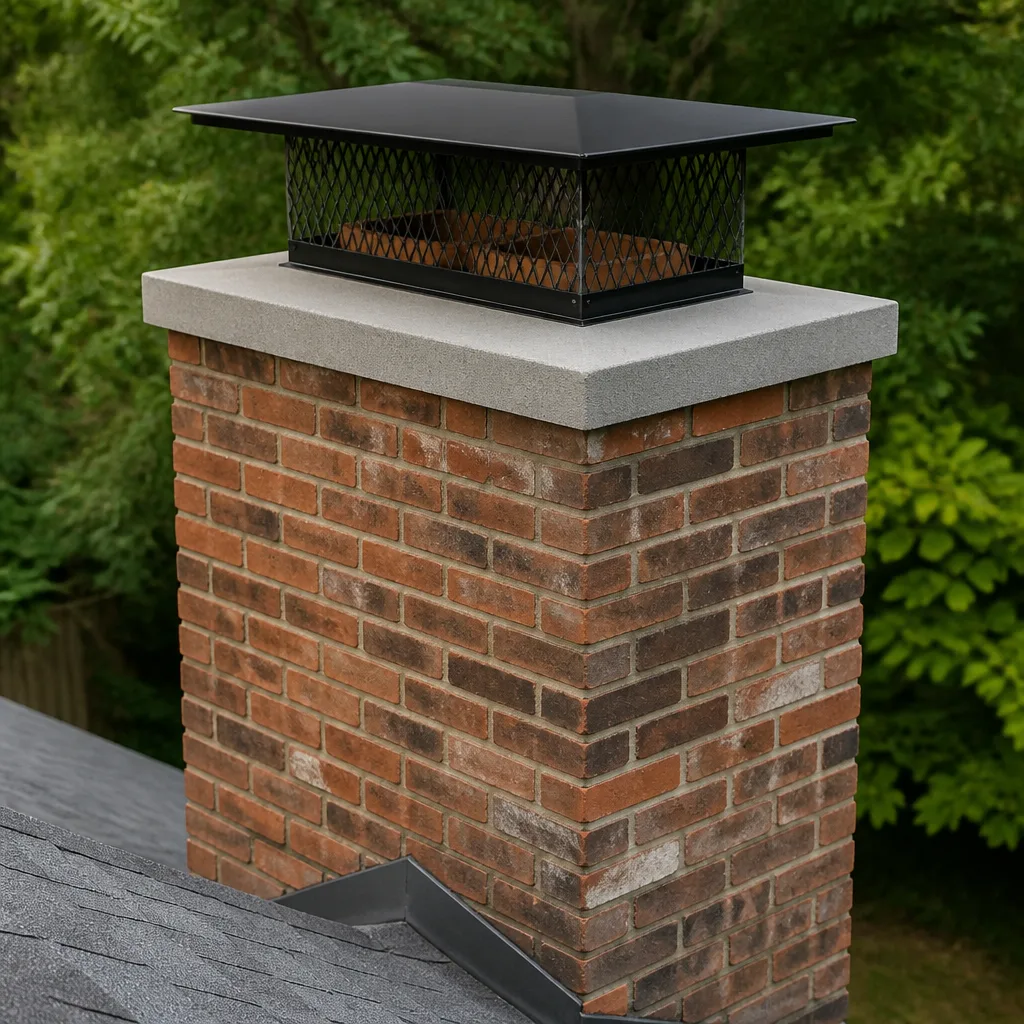
 Caps & crowns
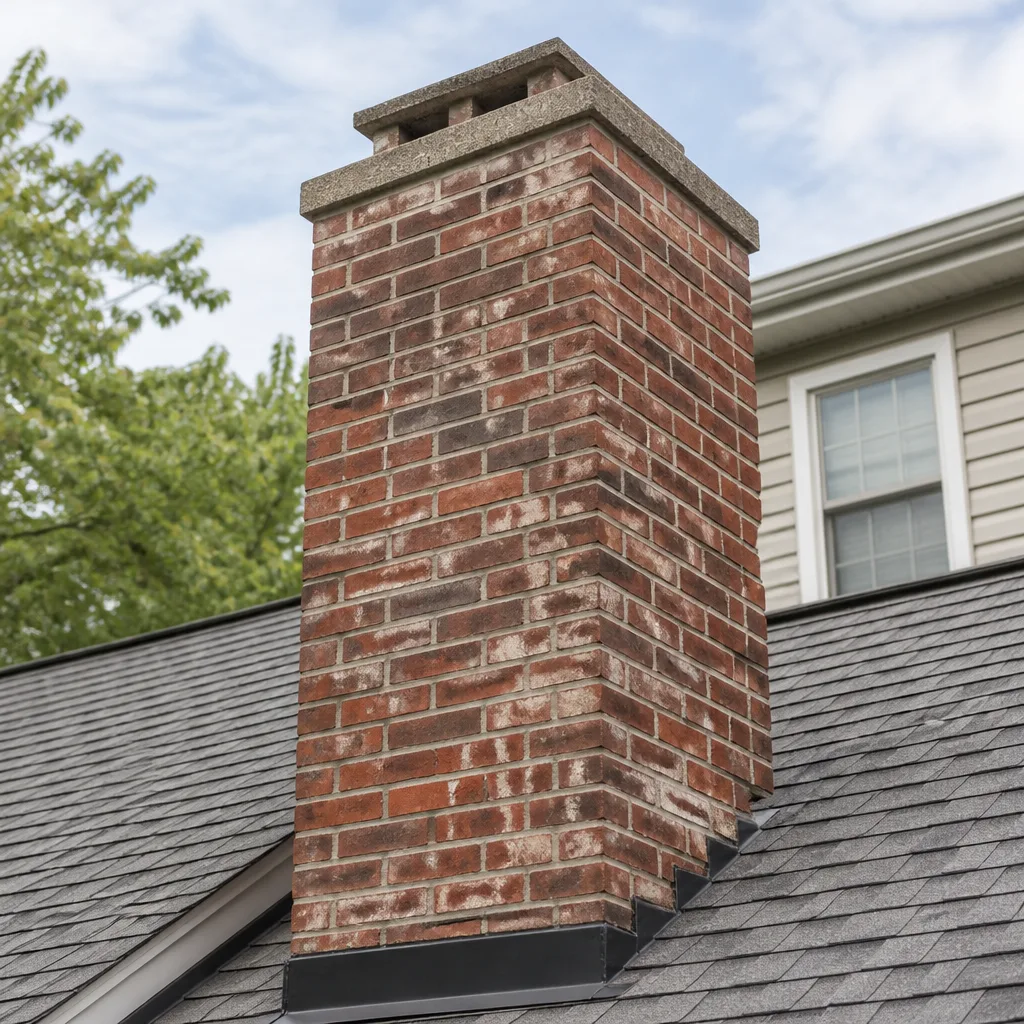 Masonry repair
Level 1 sweep and inspection to the NFPA 211 annual standard - flue, crown, cap, and flashing checked and photographed
Chimney sweep logs do not sweep chimneys. They loosen some creosote - which then falls where a brush and vacuum still have to collect it.
Famco Flue Liner Replacement: The Tampa Owner’s Guide
A Famco flue liner replacement in Tampa typically runs $1,800 to $3,400 installed, depending on the liner diameter, height of your chimney, and whether we’re replacing a section or the full run. We stock Famco-compatible stainless steel liners and can usually complete the job in one visit, often the same week you call. Most Tampa homeowners discover the problem the hard way: rust flakes in the firebox, a lazy draft that sends smoke back into the living room, or a chimney inspection that shows pinholes where the liner has corroded through.
Here’s the short version: if your Famco liner is failing, you’ve got a fire safety issue and an efficiency problem rolled into one. The liner is the stainless steel tube inside your chimney that contains combustion gases and protects the masonry around it. When it fails, those gases – including carbon monoxide – can seep into places they shouldn’t. We’ll show you exactly what we’re seeing with a camera inspection before we quote anything.
Which Famco Models This Applies To
Famco has produced flue liners and chimney components for decades, and we work with replacements for their flexible stainless steel liner systems across the most common residential sizes: 4-inch, 5.5-inch, 6-inch, and 8-inch diameters. The compatibility gotcha most homeowners hit is assuming any stainless liner will fit. It won’t. Your liner diameter has to match the appliance it serves – too small and you create a draft restriction that makes smoke back up; too large and the gases cool too quickly, which means more creosote buildup (the flammable tar residue that makes chimneys a fire risk).
Look for a metal tag or label on the liner itself, usually visible from the firebox or wherever the liner connects to your appliance. If there’s no tag, we measure the inside diameter and check the wall thickness. Famco liners in Florida homes are often 316L stainless steel, which matters because Tampa’s salt-tinged air and humid summers are harder on metal than most people expect. We’re an independent service provider – not affiliated with Famco directly – but our techs work with their liner systems regularly and stock the common replacement sizes on our trucks, along with connectors, top plates, and rain caps that fit Famco’s spec.
One thing worth knowing: OEM Famco parts are fine, but quality aftermarket stainless liners from brands like DuraFlex meet or exceed the same spec and sometimes save you money without cutting corners. We’ll quote both options, tell you what we’d put in our own chimney, and move on.
Styles & brands we work with
Signs Your Famco Flue Liner Replacement Is Failing
- Rust flakes or metallic debris in the firebox. Stainless steel shouldn’t shed. If you’re finding small rust-colored chips at the bottom of your fireplace, the liner is corroding from the inside out – often accelerated by condensation from Tampa’s humidity meeting hot exhaust gases.
- Smoke backing up into the room when the fireplace is lit. A liner with holes or separated seams can’t maintain proper draft. The smoke looks for the path of least resistance, and sometimes that path is your living room.
- An odor like a damp campfire even when the fireplace hasn’t been used in weeks. Creosote trapped behind a failing liner soaks up moisture from Florida’s air and releases that smell on humid days. We see this constantly in older Tampa homes.
- Visible cracks, gaps, or separation at the liner seams, especially near the top of the chimney. Installation shortcuts and thermal expansion take their toll over time. If you can see daylight through a seam, that’s a failure point.
- Your chimney sweep flags it during an inspection. This is the most common way Tampa owners find out. A camera inspection shows pinholes, rust blooms, or sections that have warped – and we hand you the photos so you’re not taking anyone’s word for it.
None of these are “wait and see” items. A failed liner isn’t going to heal itself, and every fire you burn in the meantime is pushing combustion gases into places they don’t belong.
See the difference
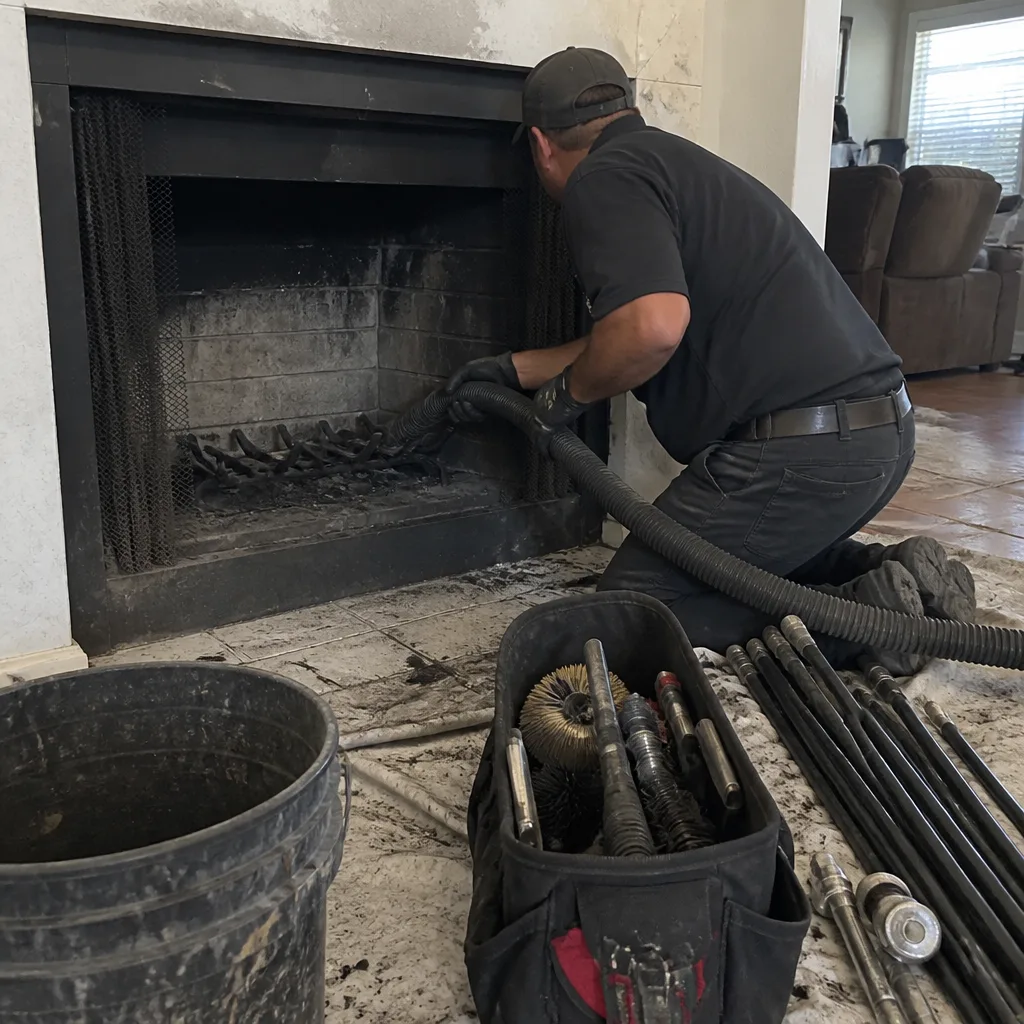 Before
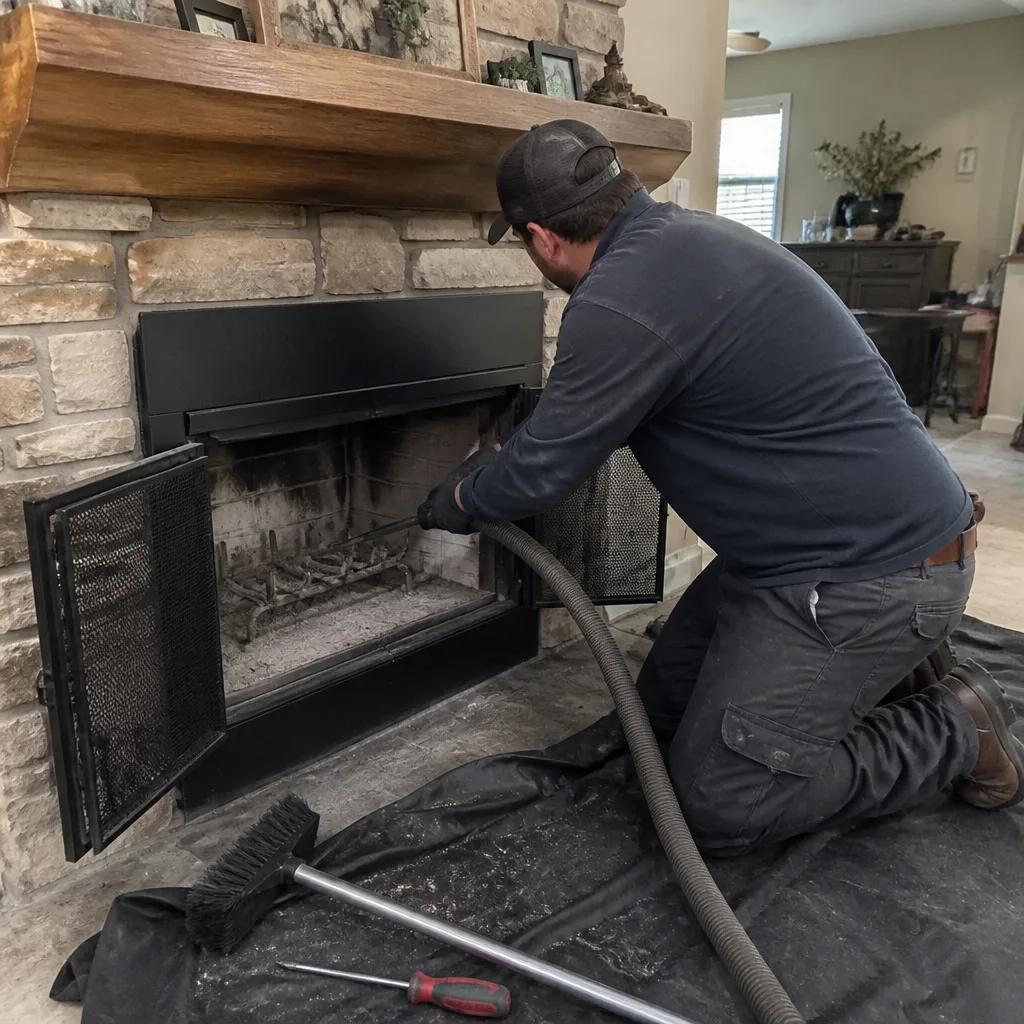 After
After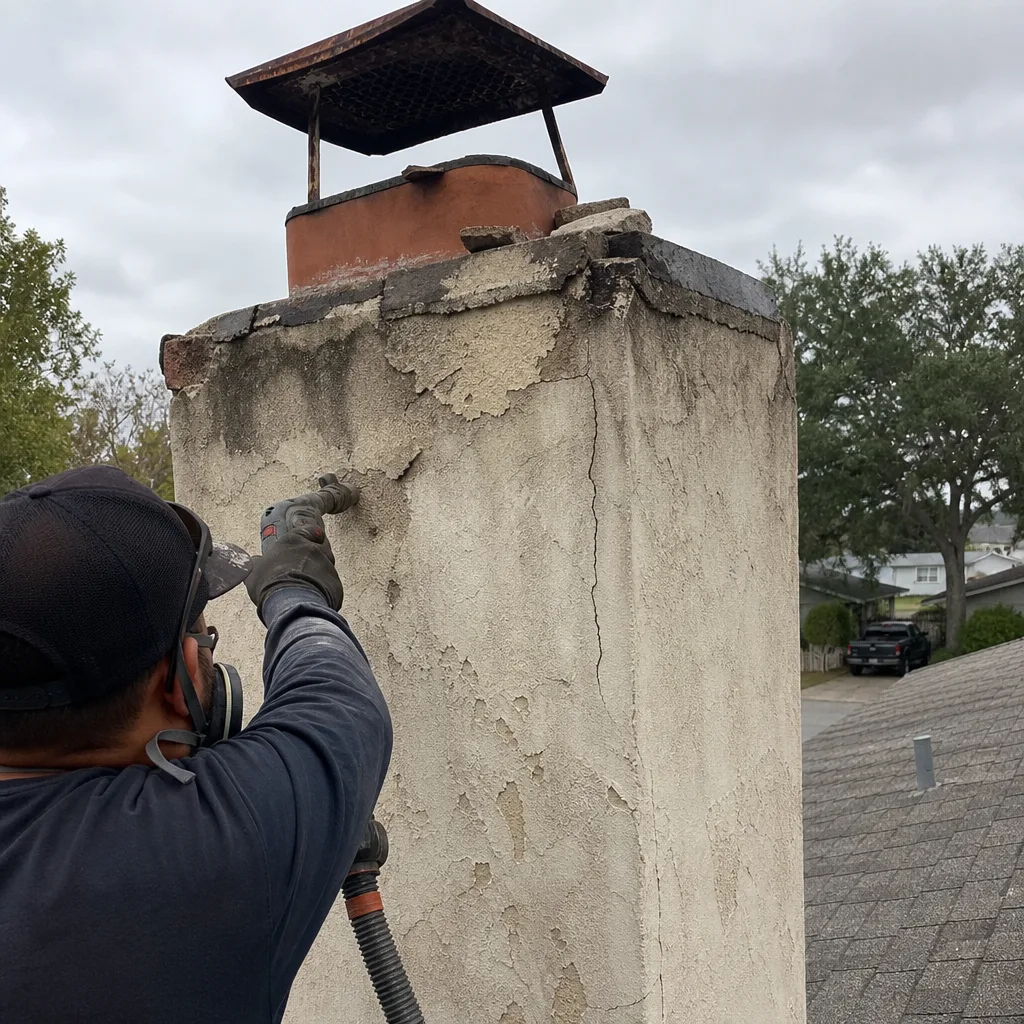 Before
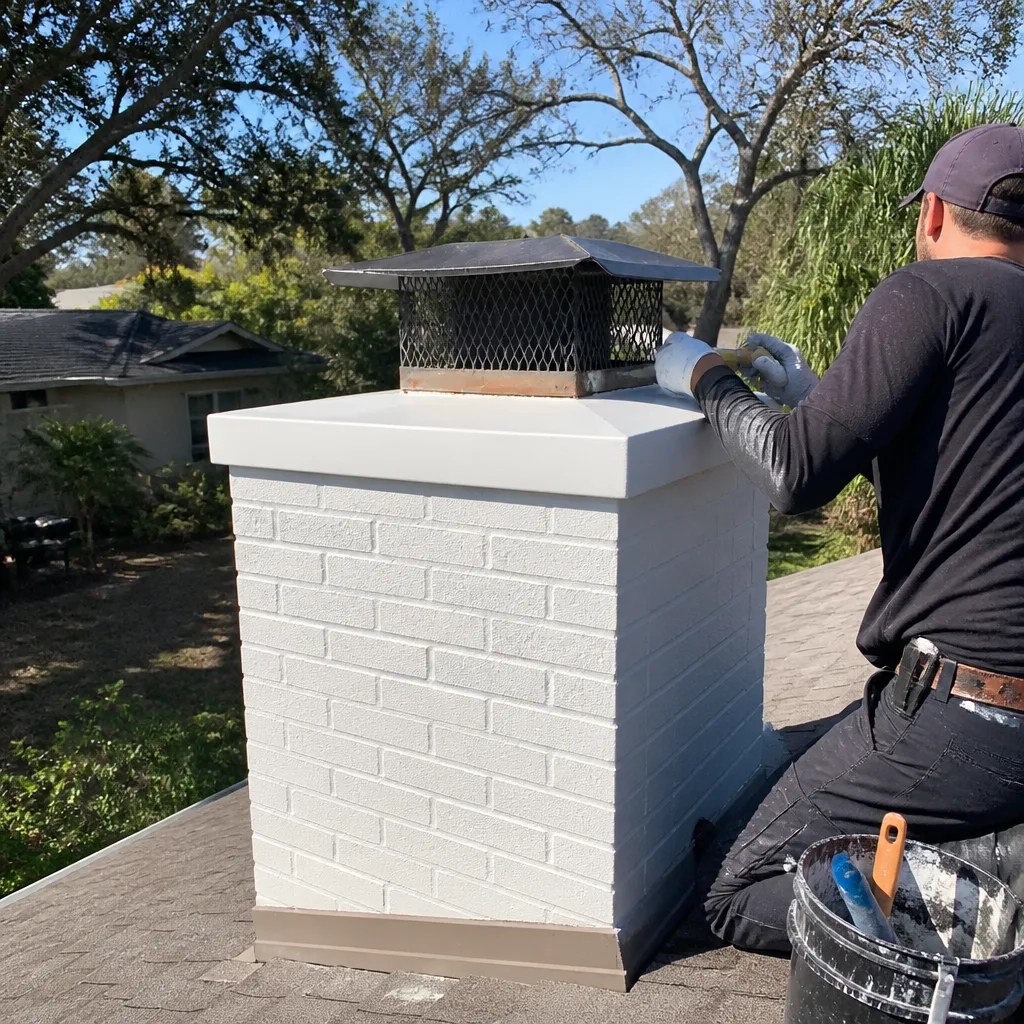 After
After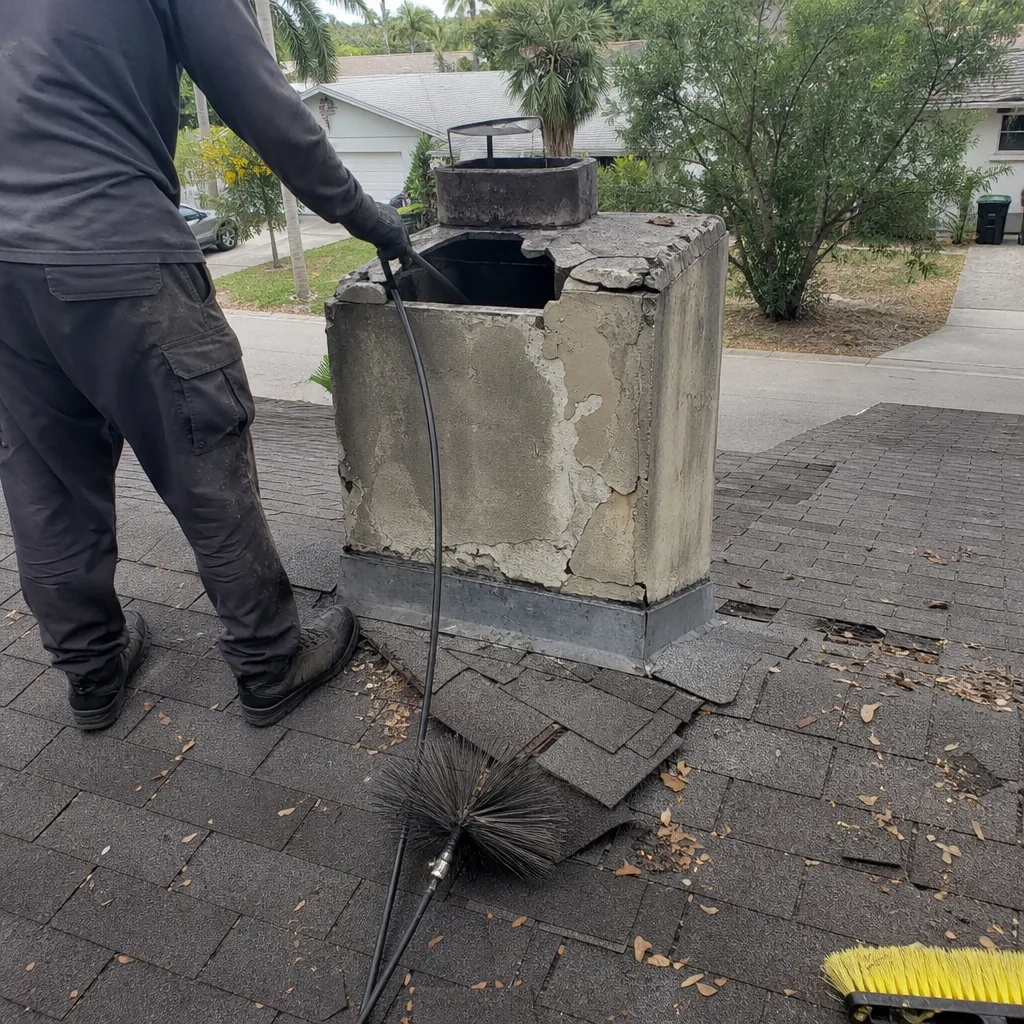 Before
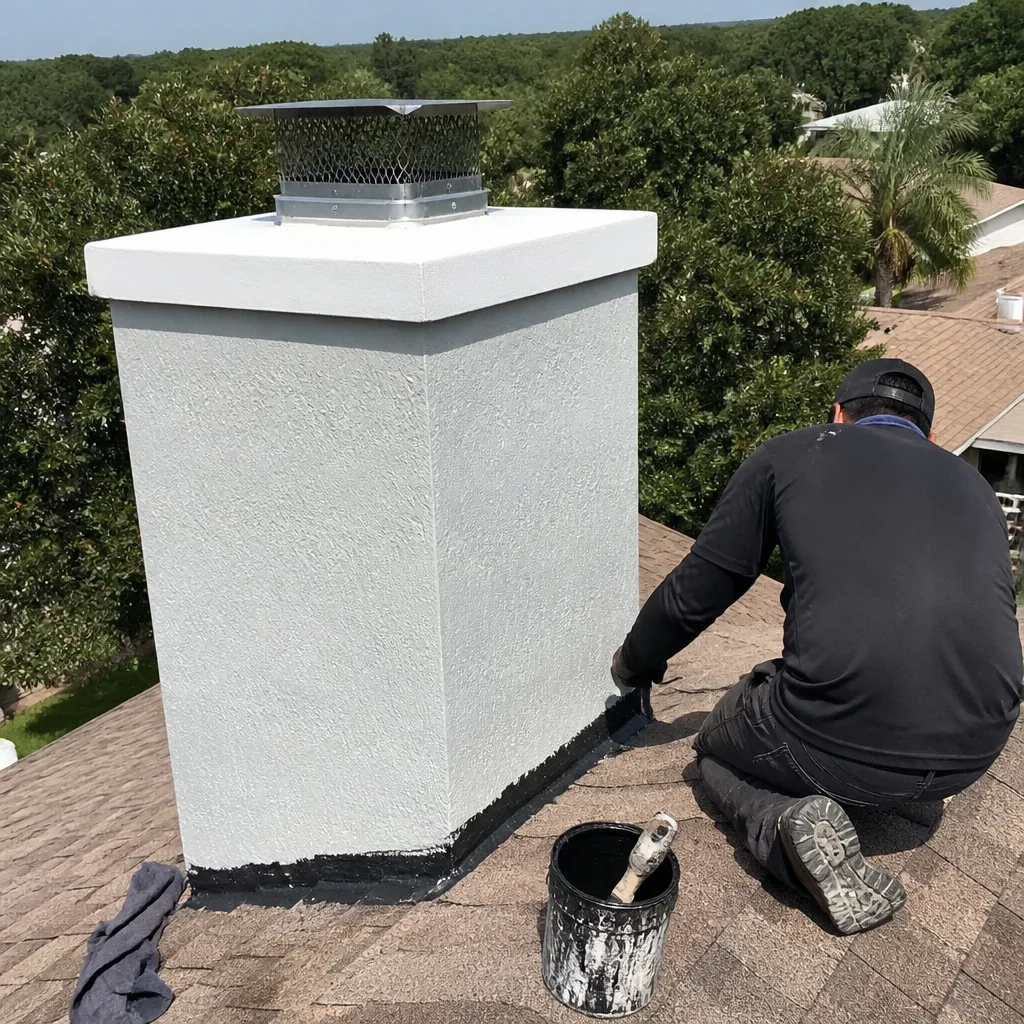 After
AfterReplacement Cost & What’s Included
Here’s the straight Tampa pricing picture, based on what we install across the bay area week to week:
- Section repair (short damaged segment replaced): $450 to $900
- Full liner replacement, 15ft to 25ft chimney: $1,800 to $2,600
- Full liner replacement, 25ft to 40ft chimney: $2,400 to $3,400
- With a new top plate, rain cap, and connector: add $150 to $350
That’s parts and labor, written down before we start. No “we found something once we got up there” surprise. The range moves based on chimney height (more liner, more labor), access (a steep Tampa roof or tricky chase means more setup time), and whether the existing connector pieces can be reused or need replacing.
Every Famco flue liner replacement we do carries our 365-Day Done Right Promise: if something’s not right within a year, we make it right, and if the repair fails, the second visit is free. That’s a written guarantee on every job, not a verbal “trust us.”
DIY or Call Us?
Honest answer: this is not a weekend project. Flue liner replacement means working from the top of the chimney, often on a roof that’s steep or slick, while maneuvering flexible stainless steel that weighs 30 to 60 pounds. One wrong move and you’re looking at a fall from height or a liner that kinks halfway down and has to be pulled back out. We’ve seen both.
What you can safely do yourself: check the firebox for rust flakes, note any smoke backup, and grab a flashlight to look up the flue for obvious gaps or corrosion near the top. That’s useful information to have when you call. But swapping a liner means proper sizing, secure connectors, correct top plate and cap installation, and verification that the new liner drafts properly. Get it wrong and you’ve bought yourself a house fire risk to save a labor charge.
If your Famco liner is showing any of the signs above, call us at (850) 790-3475. We’ll put a camera up, show you the photos, and give you a written price before anything else happens.
FAQs
A properly installed 316L stainless liner in Tampa typically lasts 15 to 25 years, but our humid, salt-tinged air and frequent temperature swings can shorten that to 10 to 15 years for liners installed incorrectly or venting high-efficiency gas appliances that produce acidic condensation. Regular inspections catch thinning metal before it becomes a full failure. Call (850) 790-3475 and we’ll take a camera look at yours.
Sometimes yes. If the damage is isolated to one section, a short patch or section replacement can extend the liner’s life without a full swap. If corrosion is widespread or the seams are failing in multiple spots, a full replacement is the safer call. We’ll show you the camera footage either way so the recommendation is backed by what you can see. Call (850) 790-3475 for a free estimate.
Most Famco flue liner replacements in Tampa homes take one day, typically 3 to 6 hours depending on roof access and chimney height. We arrive in a tracked window, you get a written price before we start, and you’ll have before-and-after photos and a digital invoice before we leave. Call (850) 790-3475 to book.
We keep common Famco-compatible sizes – 4-inch, 5.5-inch, 6-inch, and 8-inch – plus connectors, top plates, and rain caps on our trucks, so many Tampa jobs are done same-day or same-week without waiting on a shipment. If you need a less common size, we’ll tell you the lead time honestly before you commit to anything. Call (850) 790-3475 to check availability for your setup.
Written by Cory Mitchell, Owner, Hadley Chimney Tampa at Hadley Chimney Tampa, serving Tampa and nearby areas.