
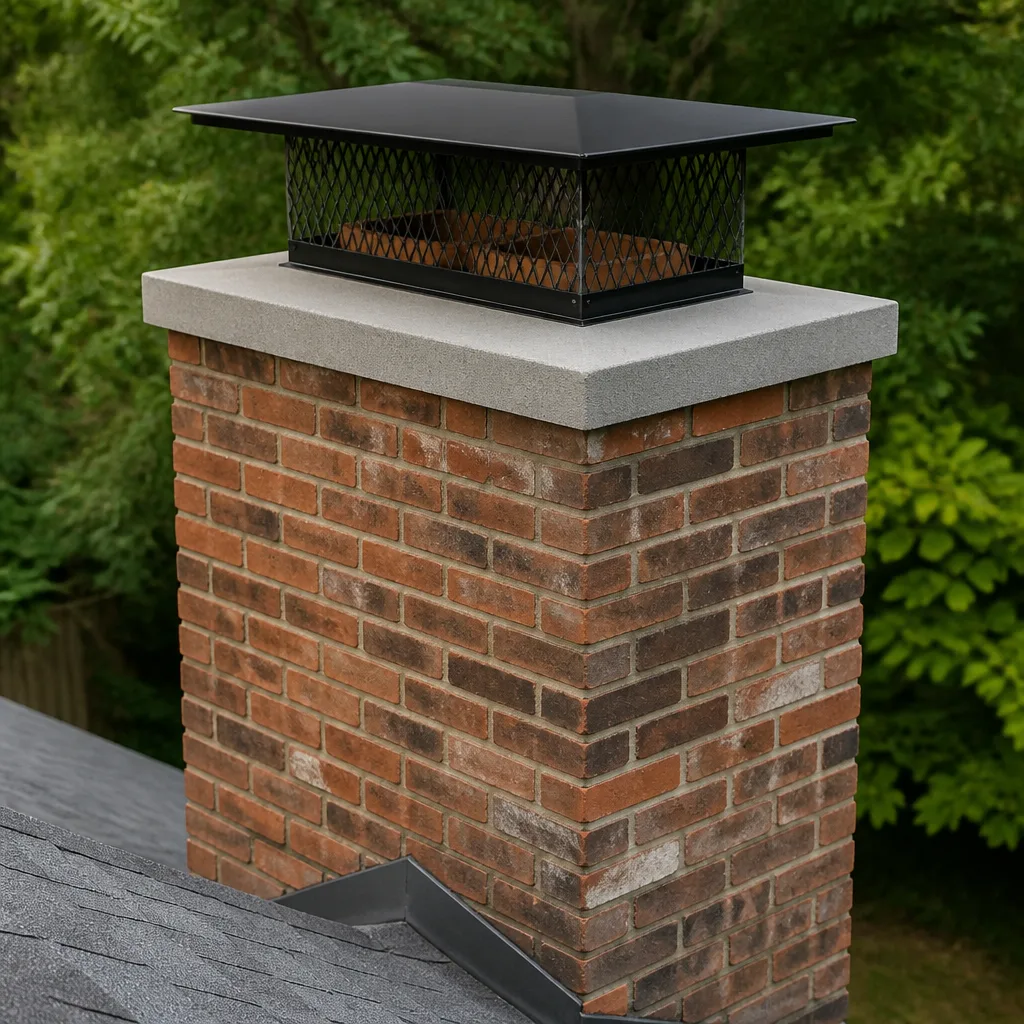
 Caps & crowns
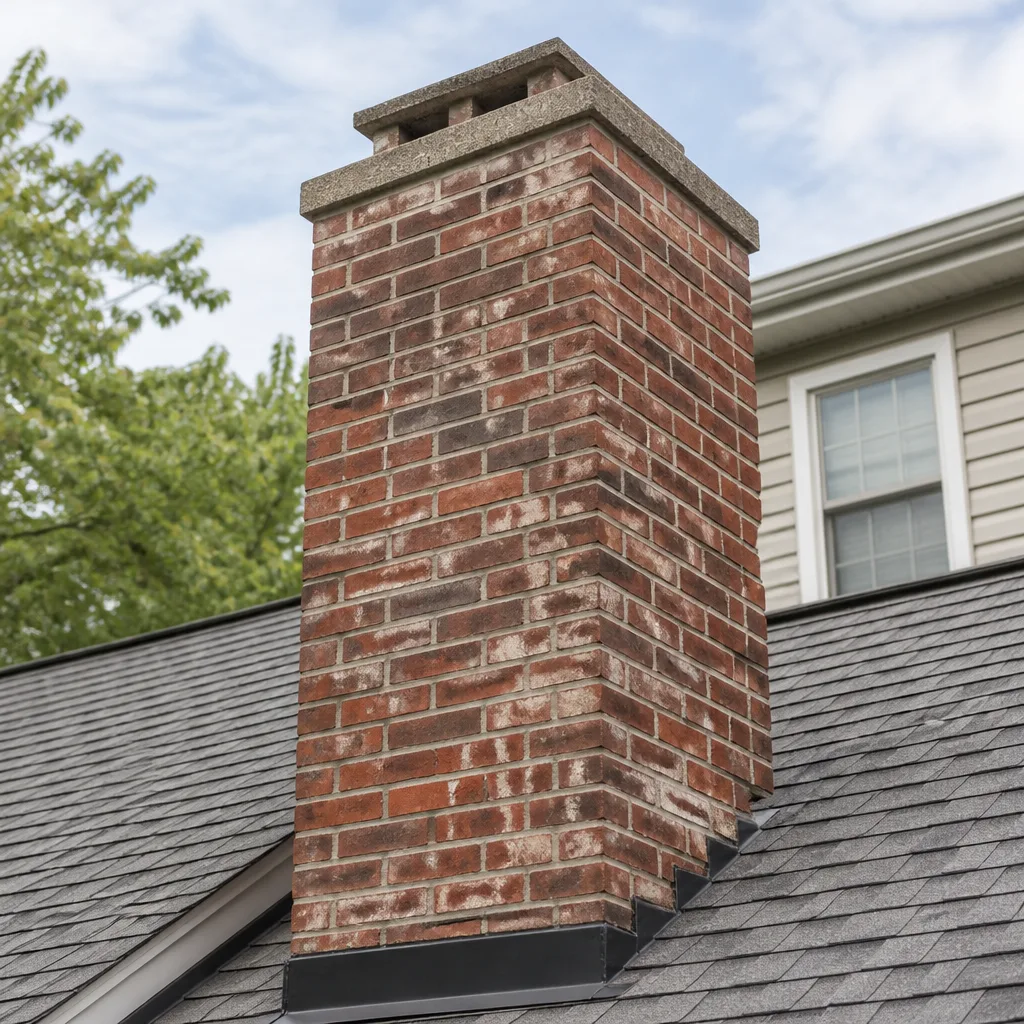 Masonry repair
Level 1 sweep and inspection to the NFPA 211 annual standard - flue, crown, cap, and flashing checked and photographed
Chimney sweep logs do not sweep chimneys. They loosen some creosote - which then falls where a brush and vacuum still have to collect it.
Copperfield Chimney Cap Installation: The Tampa Owner’s Guide
We install Copperfield-compatible chimney caps in Tampa every week, and the typical installed price runs $325 to $580 depending on cap size, chase cover condition, and roof access. Most jobs are done in a single visit because we stock common Copperfield cap configurations on the truck. The way you usually find out yours has failed is rain water on the firebox floor after a storm, or a rust streak running down the chimney chase that wasn’t there last dry season.
A chimney cap does three jobs at once: it keeps rain out of the flue, blocks embers from landing on the roof during a burn, and stops birds and squirrels from turning your flue into a nest. When it fails in Tampa’s salt air and summer downpour cycles, it fails fast. We’ve pulled Copperfield caps in South Tampa and Carrollwood that looked fine from the ground but had rusted-through mounting flanges once we got on the roof. That’s the failure pattern worth understanding before you spend money.
Which Copperfield Models This Applies To
Copperfield makes several cap lines, and most Tampa homes with masonry chimneys are running one of three: the single-flue cap (sits directly on a clay tile liner), the multi-flue cap (spans two or more flues on one crown), or the top-mount cap with a full chase cover that sits over a factory-built wood-burning or prefab chimney. Each has different mounting hardware and base dimensions, and they don’t interchange. If you’re not sure which one you have, two measurements settle it: the outside width and depth of the flue tile or chase, and the outside width of the cap base sitting on it now. A single-flue Copperfield cap on an 8×8 clay tile needs a base that fits 8×8 as well as sizes just above and below, because the tile crown edge is rarely perfectly square after a decade of Florida sun.
Hadley Chimney Tampa is an independent chimney service company, not affiliated with Copperfield. We source Copperfield caps directly because they’re built for this climate, but we also carry equivalent caps from DuraFlex, HeatShield, and Gelco when the existing setup calls for a specific material or wind rating.
One compatibility gotcha worth knowing: Copperfield’s stainless caps are rated for coastal exposure, but the cheaper galvanized base models will not survive more than four or five years within four miles of the bay. If you live in Palma Ceia, Davis Islands, or anywhere the afternoon seabreeze carries salt, go stainless or plan on replacing the base before the cap itself fails.
Styles & brands we work with
Signs Your Copperfield Chimney Cap Installation Is Failing
- Water in the firebox after rain. Rain is getting past the cap and running straight down the flue. In Tampa, this is the #1 symptom we see in late afternoon summer storms. It’s not a cleaning problem – it’s a cap-and-flashing problem.
- Rust streaks on the chimney chase or crown. Water is pooling somewhere it shouldn’t, and the rust is telling you exactly where the cap’s seal has broken. We see this a lot on the north side of chases in Carrollwood and Temple Terrace, where shade keeps the metal damp longer.
- Bird or squirrel sounds from the flue. A damaged cap screen or a bent mounting leg creates the entry point. Tampa squirrels are persistent, and they will find the gap. Nests in the flue are a fire hazard, not just a noise nuisance.
- Creosote smell even when the fireplace is cold. If the cap damper or screen is partly blocked, the flue can’t vent properly, so exhausted particles drift back into the room. This is a draft issue, but the clogged cap is often the source.
- Visible denting or lifting at the cap edges after a storm. Tampa’s wind-driven rain and the occasional hurricane-force gust bend the mounting flanges. A cap that’s lifted on one side can’t seal the flue, even if it still looks like a cap.
Each of those shows up differently depending on your chimney type, but none of them resolves on its own. They all get worse with time and rain.
See the difference
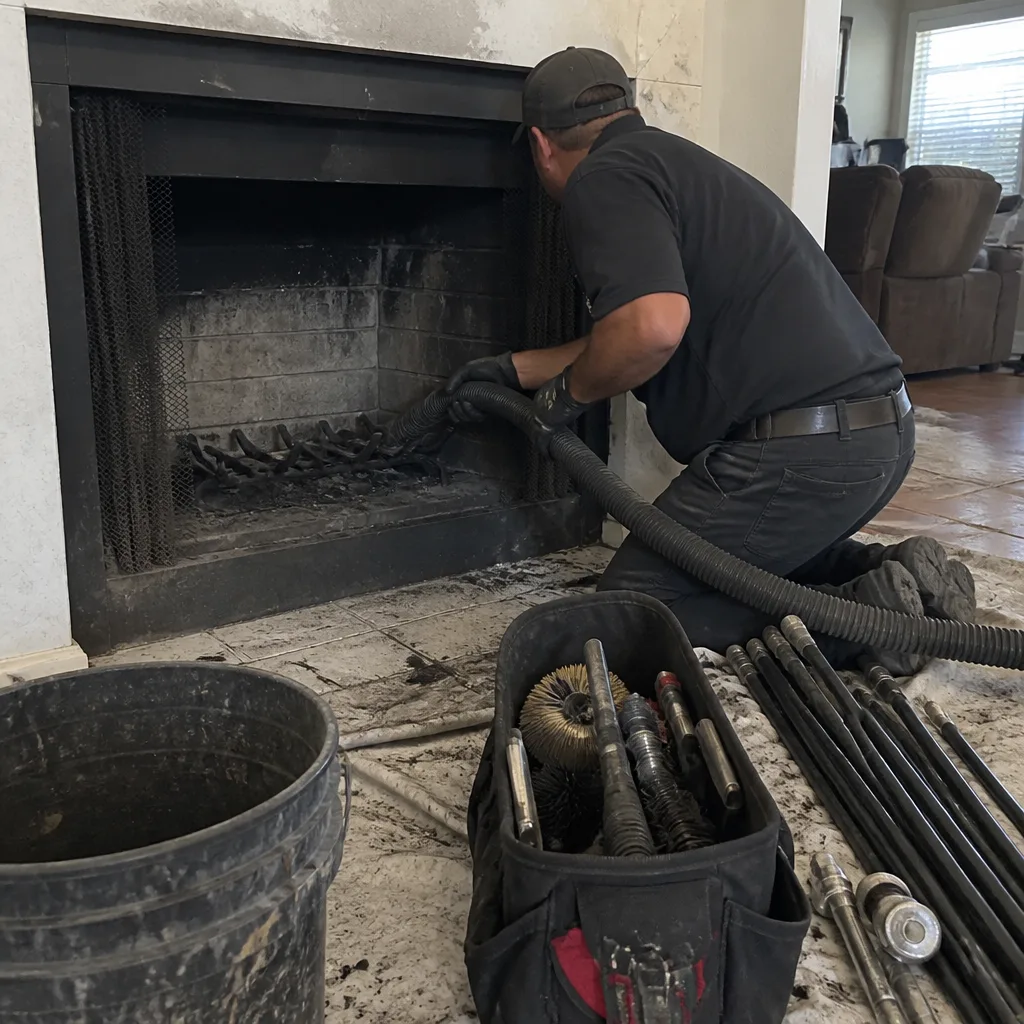 Before
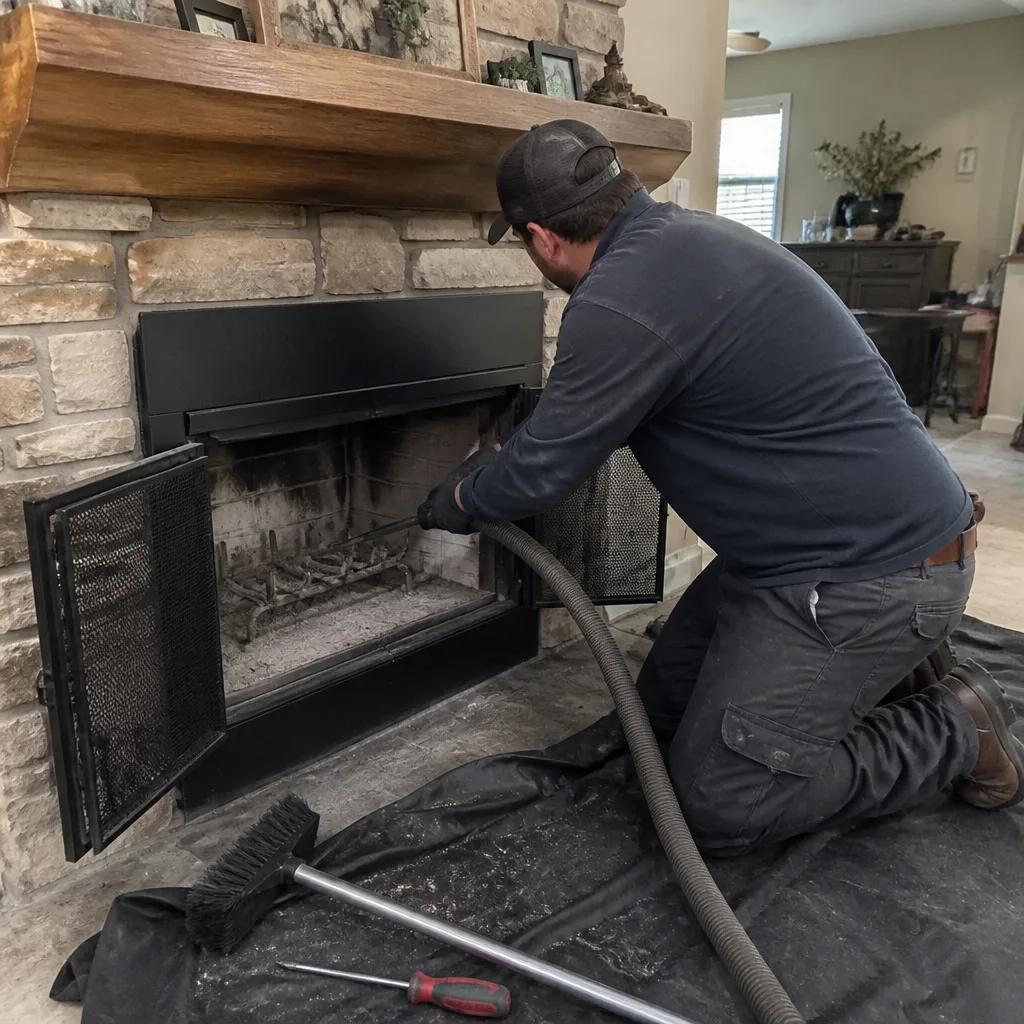 After
After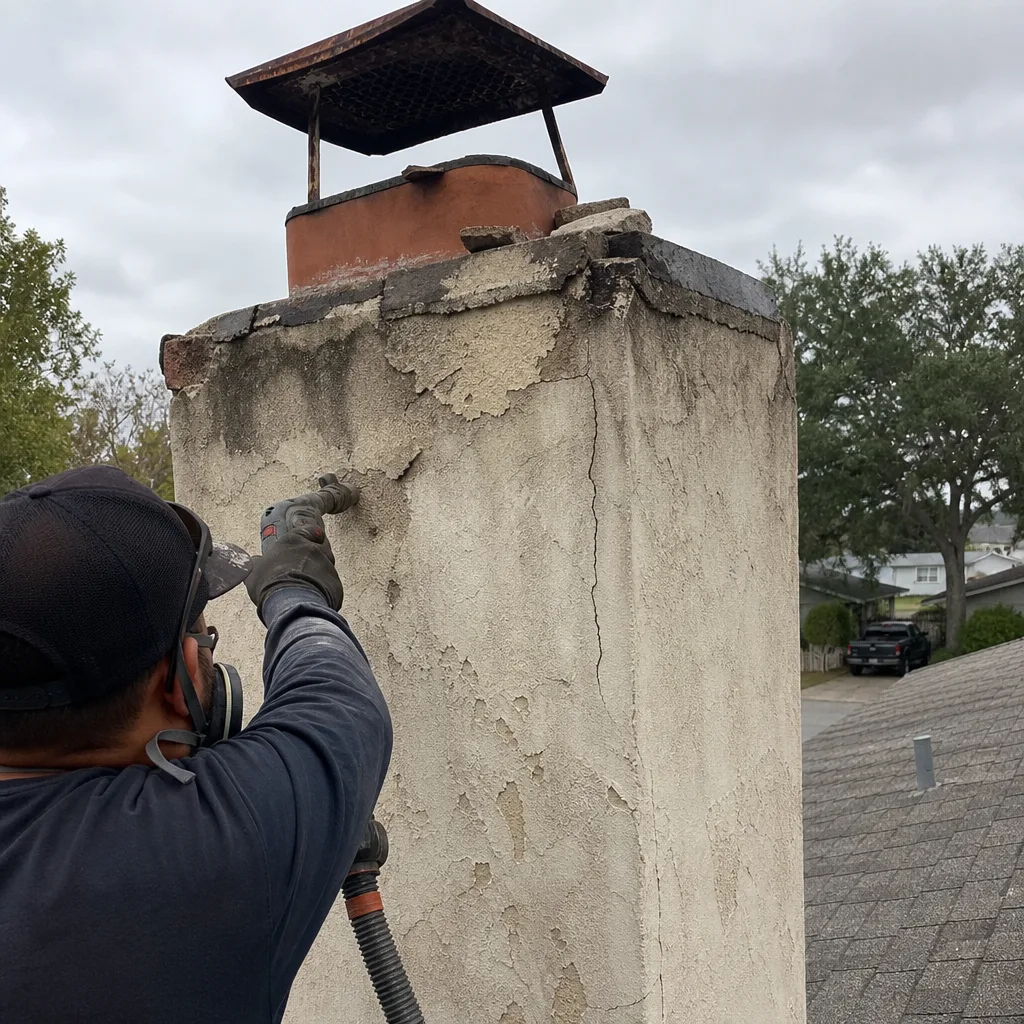 Before
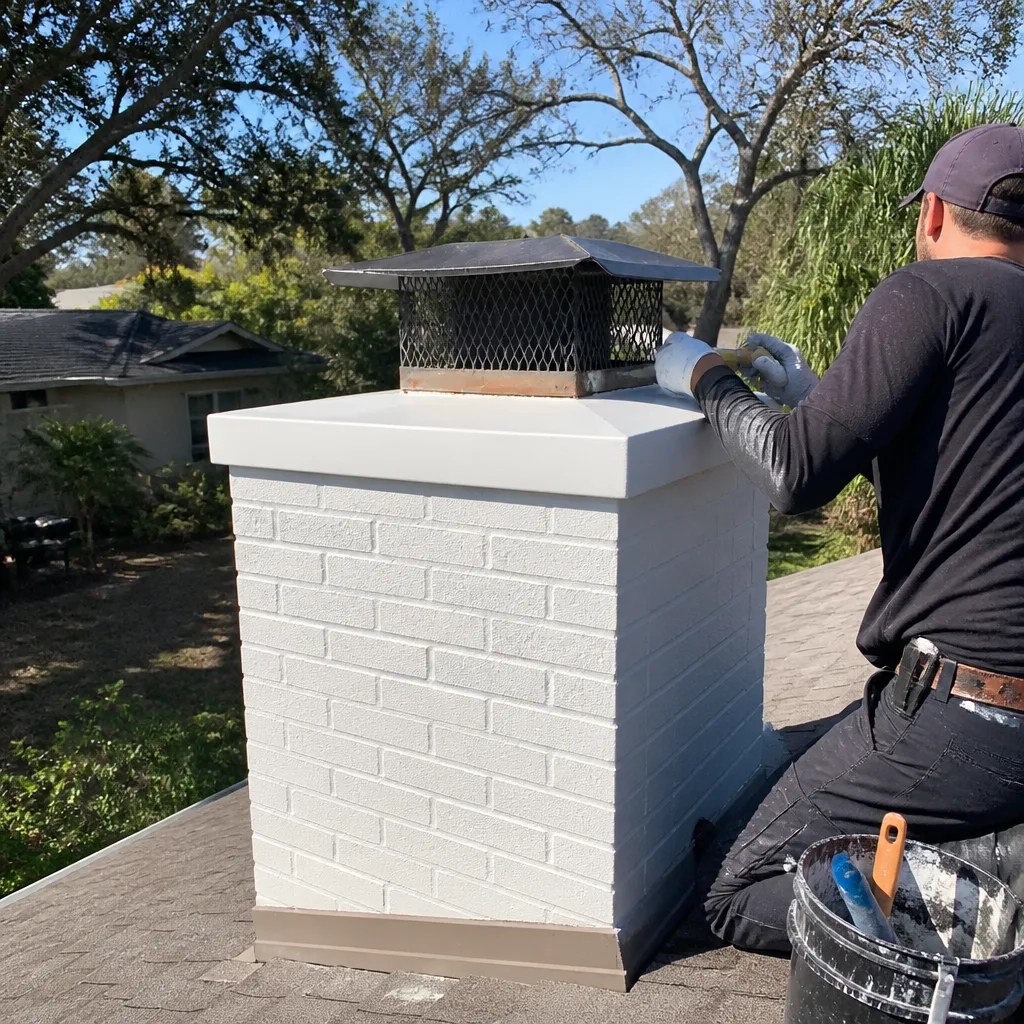 After
After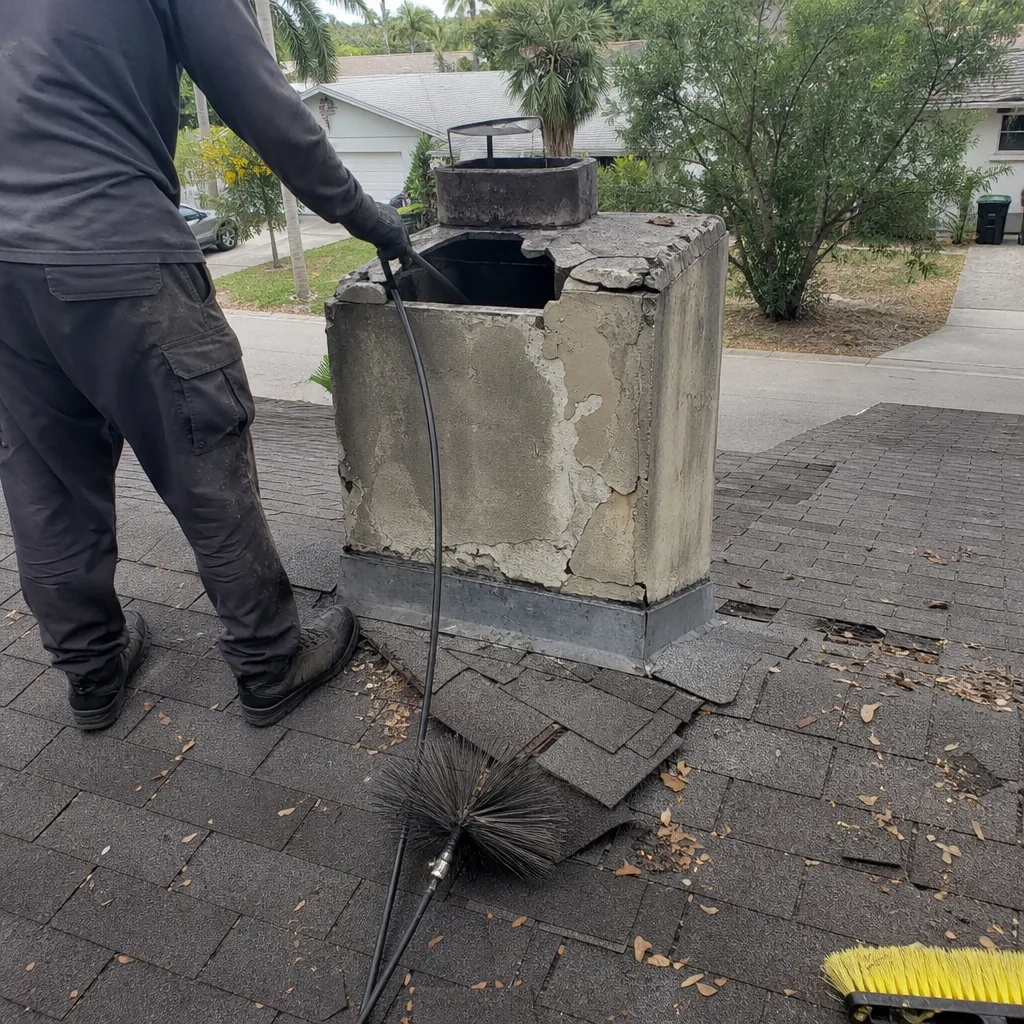 Before
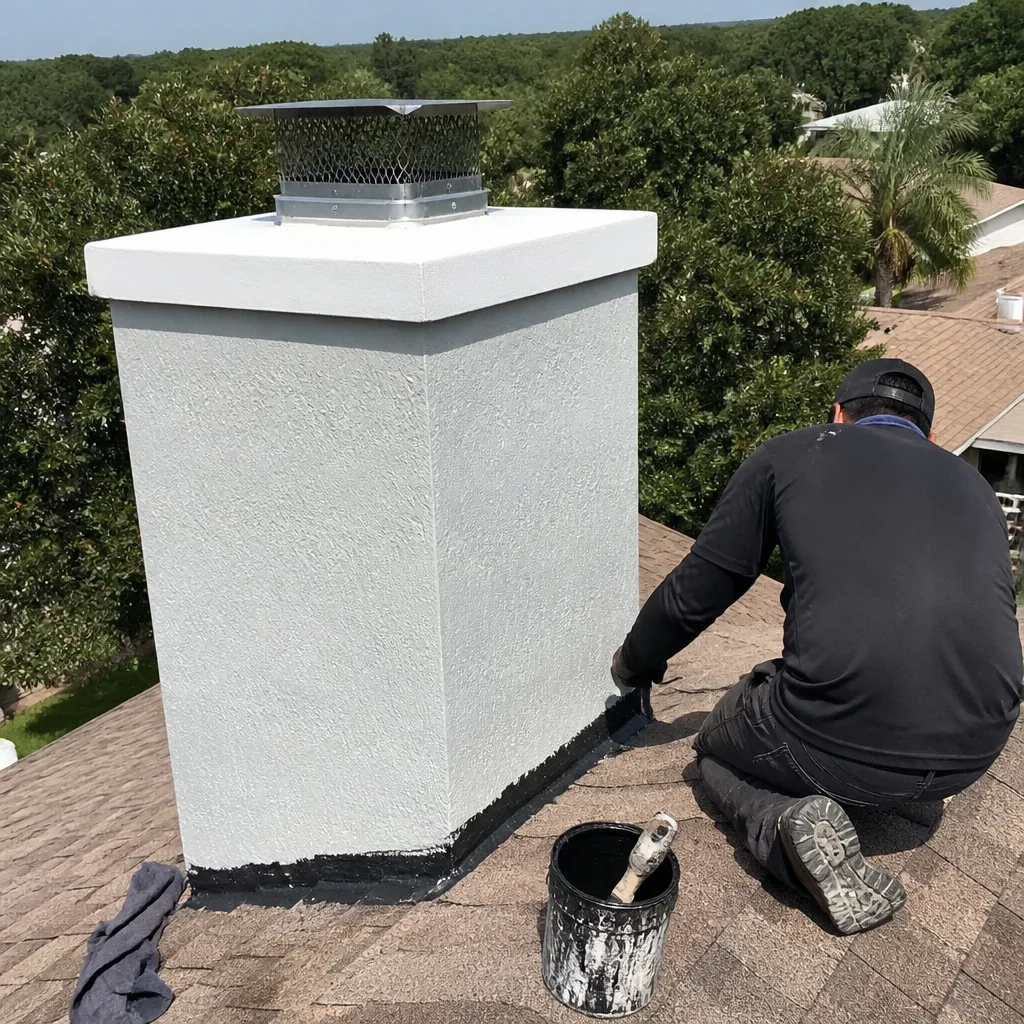 After
AfterReplacement Cost & What’s Included
Here’s how the numbers break down for Tampa homes when we install a Copperfield-compatible cap – parts and labor included. Prices vary with cap size, roof height, and whether the existing mounting flange or chase cover needs repair before the new cap goes on.
- Single-flue Copperfield cap, standard stainless: $325 – $425 installed
- Multi-flue Copperfield cap, standard stainless: $450 – $580 installed
- Top-mount cap with chase cover (prefab/factory-built chimney): $425 – $575 installed
- Chase cover repair or fabrication if the existing metal is rusted through: add $120 – $280
- Re-mounting existing cap with new hardware and sealant (if cap is still sound): $140 – $220
Every quote includes a written price before we set foot on the ladder – that’s just how we work in Tampa. No surprise charges at the door, no “while we’re up here” add-ons. The cap itself carries the Copperfield warranty, and our workmanship on the install is covered by the 365-Day Done Right Promise. If the cap fails or the mount fails within a year, we’re coming back out to make it right, no charge.
If your cap is still in decent shape but leaking around the base, ask us about the re-mount option before you spend on a new cap. We’ll tell you straight if the old one has life left.
DIY or Call Us?
Climbing a ladder to check your cap is something any Tampa homeowner can do safely – as long as you’re on firm ground, the ladder is level, and you never stand on the roof without a roofer’s setup. Photos of the cap’s edges, base, and screen from your phone are actually helpful: they let us see what you’re seeing before we drive out.
Here’s where DIY goes wrong on this part. The cap sits on or near the crown, and the crown is often cracked or delaminating in Tampa homes older than about 20 years. If the crown is failing, the new cap can’t seal, and water runs inside the chimney structure. Our techs inspect the crown every time we install a cap and document it with camera photos – that’s the Relay Visibility Guarantee at work. Any step that involves being on the roof, lifting a 15 to 30-pound cap, and working with mounting flanges is a job for a tech. We’d rather show you a photo of the creosote than describe it three ways and still leave you guessing, and the same honesty applies to caps – if we can save you a full replacement, we’ll tell you.
If you’re unsure what you’re looking at, call us at (850) 790-3475 and describe what you see. We’ll tell you over the phone whether it’s worth a service call.
FAQs
Cap lifespan in this climate runs 8 to 12 years for stainless units and 4 to 6 years for galvanized bases, with coastal homes near the bay on the shorter end. If your cap is into year nine or ten and you’re seeing rust or water in the firebox, it’s time to replace.
Sometimes – if the cap body is solid but the mounting flange or sealant has failed, we can re-mount it with new hardware and high-temp sealant for $140 to $220. If the metal itself is rusted through or the screen is shredded, replacement is the honest call. Call (850) 790-3475 and we’ll tell you what we’d do at our own house.
Most single-flue and multi-flue cap installs take 60 to 90 minutes once the tech is on-site, including inspection, mounting, and photo documentation. Top-mount caps with chase covers can run 2 to 3 hours if the chase cover needs fabrication or repair.
We stock the most common single-flue and multi-flue Copperfield cap sizes on our Tampa service trucks, along with compatible caps from DuraFlex, HeatShield, and Gelco. If your Flintstone-era chimney needs an odd-sized base, we order it and come back within the week.
Written by Cory Mitchell, Owner, Hadley Chimney Tampa at Hadley Chimney Tampa, serving Tampa and nearby areas.