
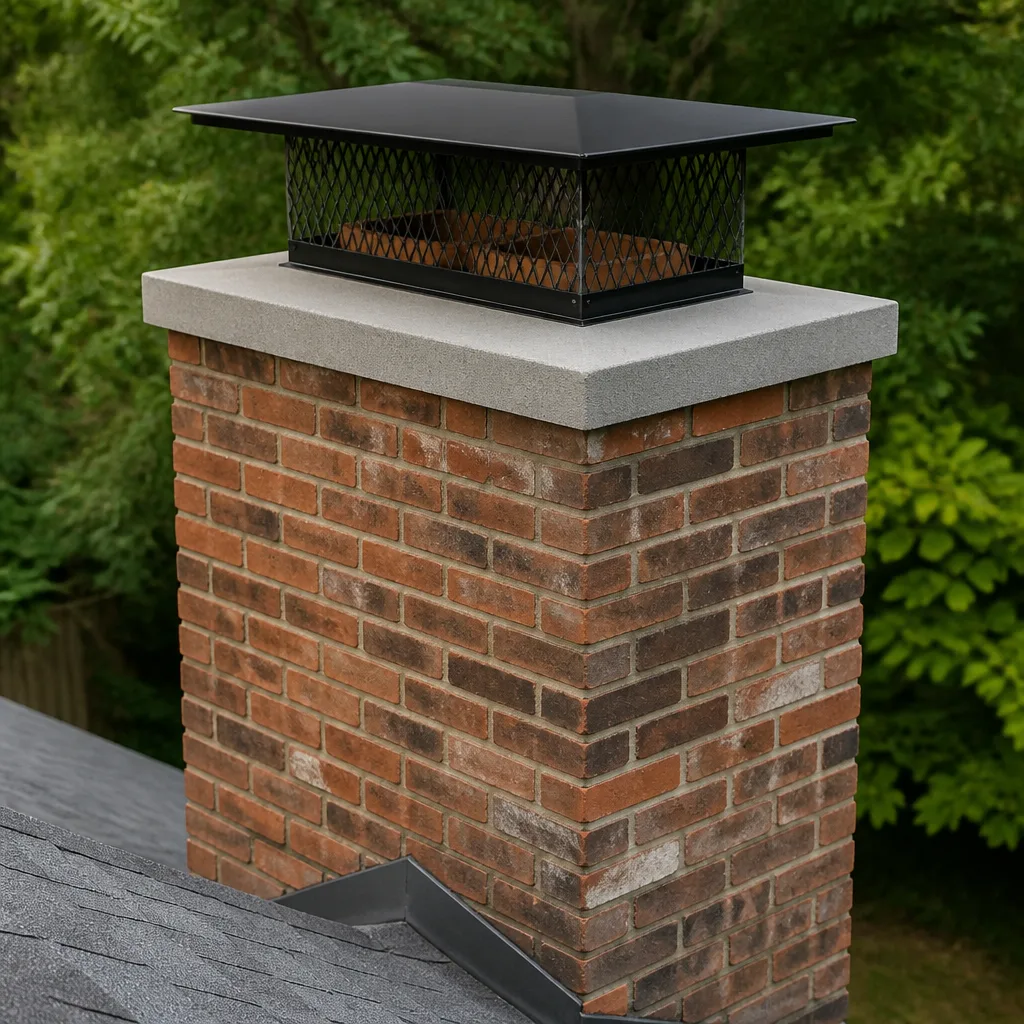
 Caps & crowns
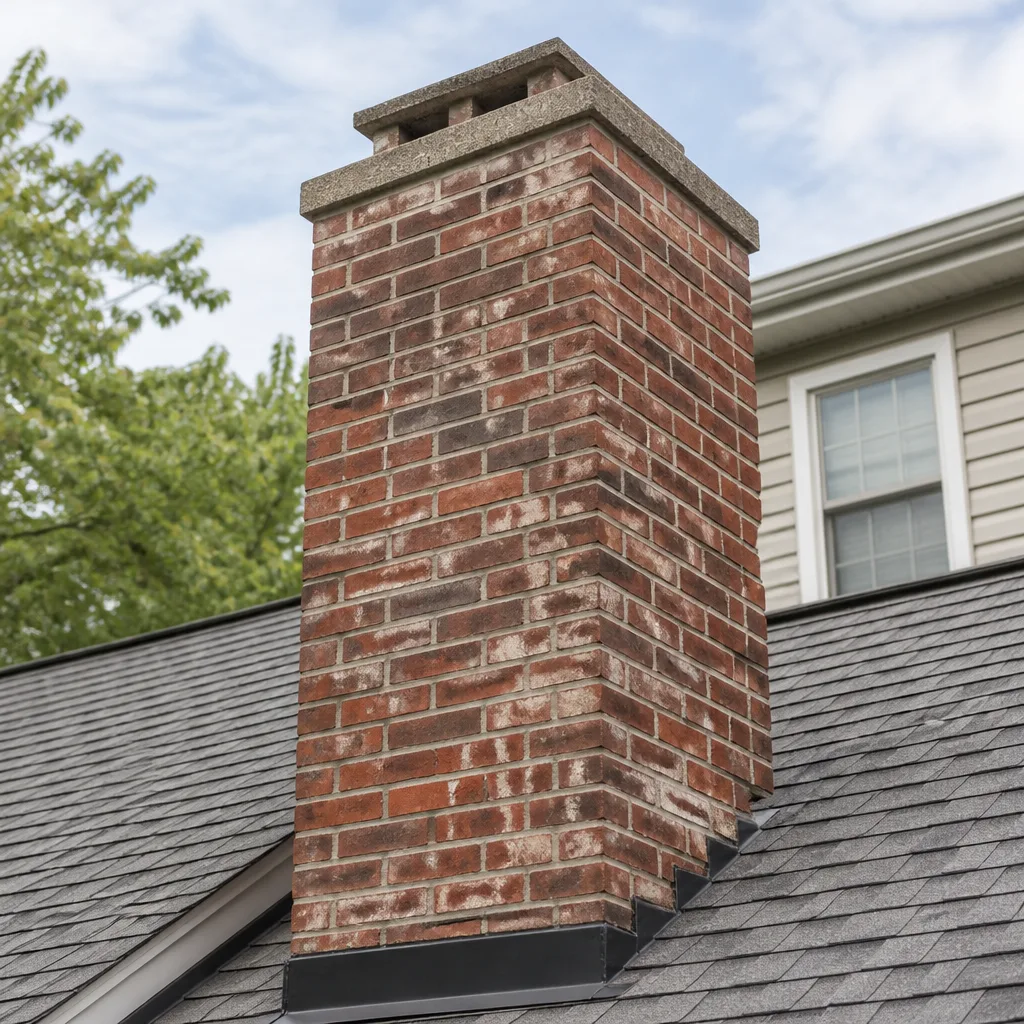 Masonry repair
Level 1 sweep and inspection to the NFPA 211 annual standard - flue, crown, cap, and flashing checked and photographed
Chimney sweep logs do not sweep chimneys. They loosen some creosote - which then falls where a brush and vacuum still have to collect it.
HeatShield Flue Liner Replacement: The Tampa Owner’s Guide
If you’ve been told your HeatShield flue liner needs replacement, here’s the straight answer: we stock HeatShield-compatible flue liner components and install them throughout Tampa, with most replacements running $1,200 to $2,800 depending on liner length and access. We carry the parts on our trucks, so most jobs are done in a single visit. Homeowners usually discover the problem one of two ways: a chimney inspection flags deterioration, or they notice flaking ceramic material falling into the firebox after a few seasons of Florida humidity working against the liner surface.
HeatShield is a specific system, not a generic liner. It’s a cerfractory (ceramic refractory) sealant product that gets applied inside an existing flue to restore its integrity. When that application starts failing, you’re not looking at a full rebuild in most cases. You’re looking at a targeted replacement of the HeatShield material and, when needed, the underlying components that the product was originally applied to. That distinction matters, because it changes the price by thousands of dollars depending on what’s actually happening inside your chimney.
Our owner, Cory Mitchell, has spent years running camera inspections across Tampa’s older neighborhoods including Hyde Park, where 1940s and 1950s masonry chimneys make HeatShield failures a familiar sight. The camera tells the story every time. That’s how we know what needs replacing and what doesn’t.
Which HeatShield Models This Applies To
HeatShield isn’t sold as a standalone liner system you buy off a shelf. It’s a two-part application: the HeatShield cerfractory material is pumped or troweled through existing flue tiles after a specialized prep process. The equipment includes a foam applicator blade, a winch system, and mixing equipment, and the finished product bonds to the existing clay tile. So when we talk about “HeatShield flue liner replacement” in Tampa, we’re usually talking about one of three situations:
- The original HeatShield application is delaminating. Florida’s humidity cycle (wet summers, dry winters, salt air near the bay) accelerates expansion and contraction between the ceramic material and the clay tile behind it. The bond fails, and you get flaking or spalling.
- The HeatShield was applied over a liner that was already too far gone. HeatShield is a resurfacing product, not a structural repair. If the clay tile behind it was cracked or shifted when the application was done, the HeatShield will telegraph those cracks through.
- You have a stainless steel liner installed elsewhere in the home, and the HeatShield was applied to a different flue. This is the compatibility gotcha most Tampa homeowners don’t know about: HeatShield is designed for masonry flues, not for lining over or replacing a flexible stainless liner like DuraFlex. If you have a stainless liner that’s failing, you don’t need HeatShield. You need a liner replacement with a brand-matched product.
We work with HeatShield materials directly as part of our repair inventory, alongside DuraFlex flexible liner systems and Gelco components for the jobs where HeatShield isn’t the right call. The decision between OEM HeatShield product and a quality aftermarket equivalent depends on your flue dimensions and the condition of the clay tile behind it. HeatShield’s applicator certification matters here, because the mixing ratios and cure times are specific. Hadley Chimney Tampa is an independent service provider, not affiliated with HeatShield, but our techs have the training and equipment to apply and repair the product line correctly.
How do you know what you have? Look at the paperwork from the original installation, or have us run a camera inspection. We’ll show you the label, the condition, and the measurements. No guessing.
Styles & brands we work with
Signs Your HeatShield Flue Liner Replacement Is Failing
- Ceramic flakes or grit in the firebox. This is the most common early warning. HeatShield material breaking down will shed small ceramic particles that collect at the base of the firebox. It looks like coarse sand mixed with gray flecks. The cause is usually moisture intrusion from a failed chimney cap or cracked crown.
- Visible hairline cracks running up the flue wall. When we run a camera inspection, we’re looking for a web of fine cracks in the HeatShield surface. These form when the underlying clay tile shifts with Tampa’s ground settling patterns, especially in neighborhoods built on reclaimed marshland.
- Flue gases or smoke backing up into the room. If the HeatShield is delaminating badly enough to narrow the flue passage, you’ll notice smoke not drafting properly. This is a carbon monoxide risk, not just a nuisance.
- Rust staining or moisture streaks on the chimney chase or ceiling near the flue. Water getting behind a failing HeatShield application will eventually show up outside the fireplace. In Tampa’s rainy season, this symptom usually appears between June and September.
- A sudden increase in creosote buildup between sweepings. When the flue surface is rough or broken, creosote (the flammable tar residue from wood smoke) has more surface area to cling to. If your chimney suddenly needs sweeping twice as often, the liner surface is likely compromised.
None of these symptoms are things you should sit on. A compromised flue liner is the difference between a contained fire and one that finds its way into your wall framing. If you’re seeing any of these, call (850) 790-3475 and we’ll get a camera in there.
See the difference
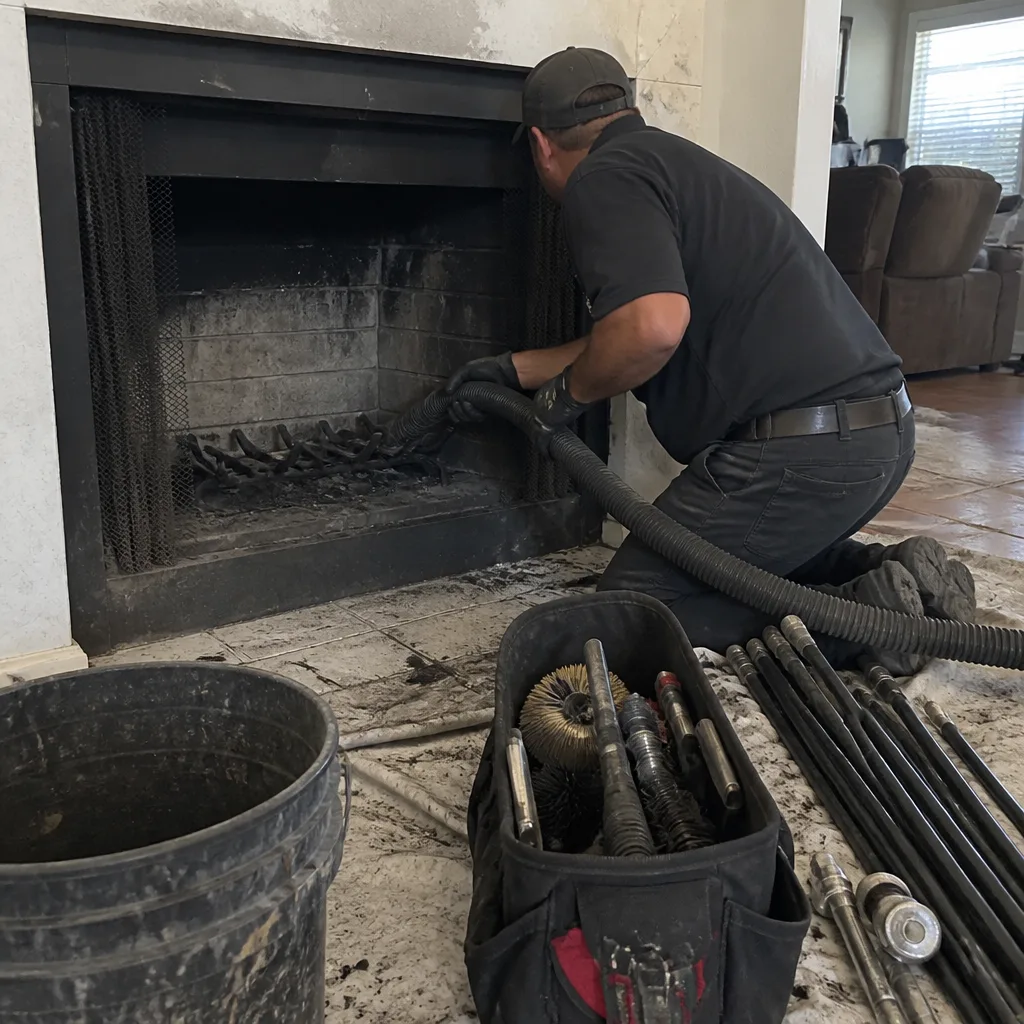 Before
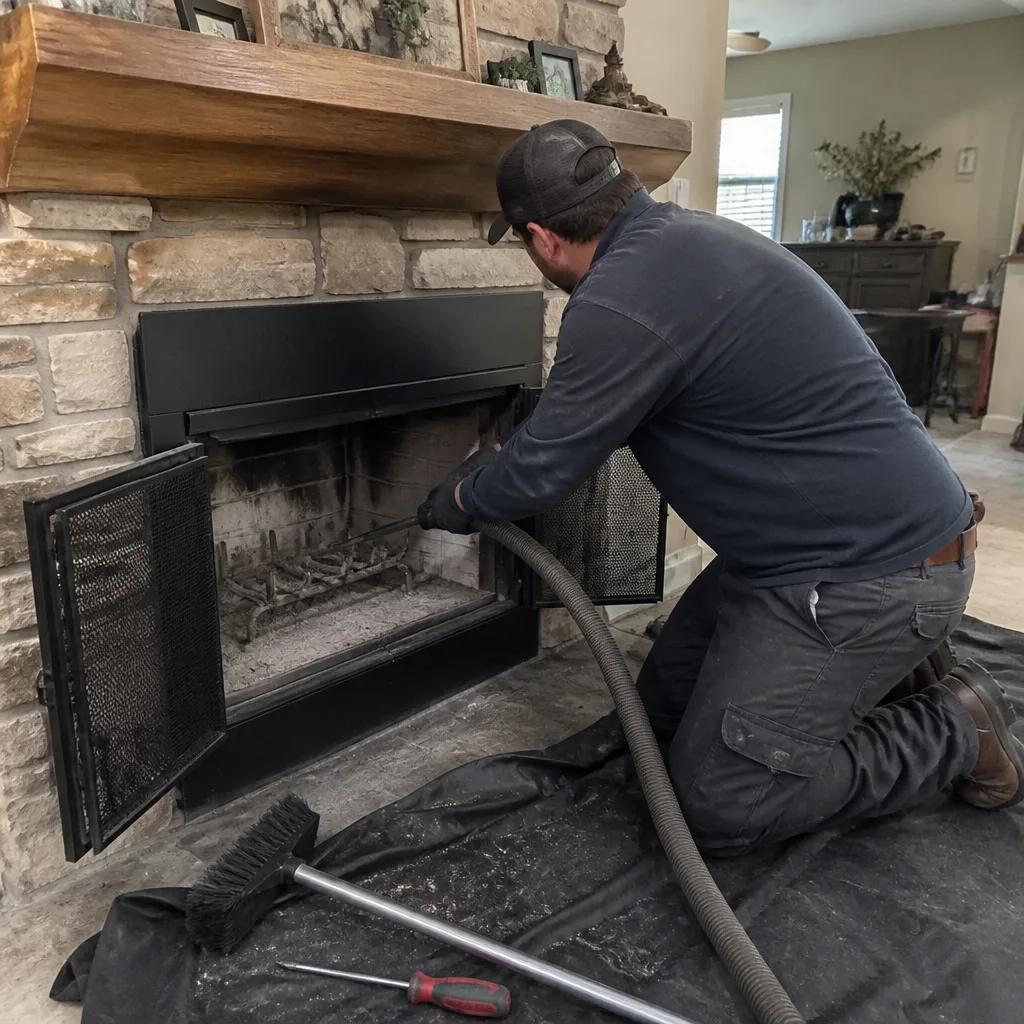 After
After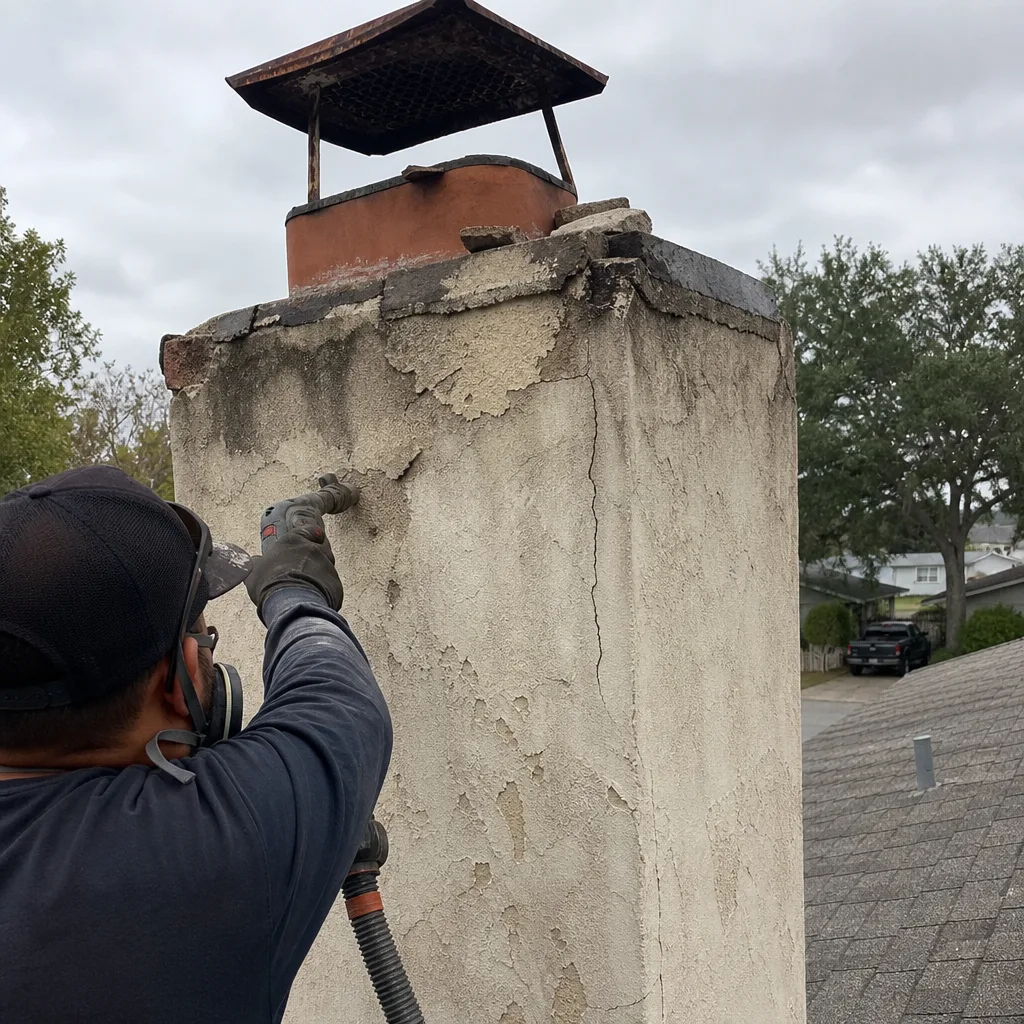 Before
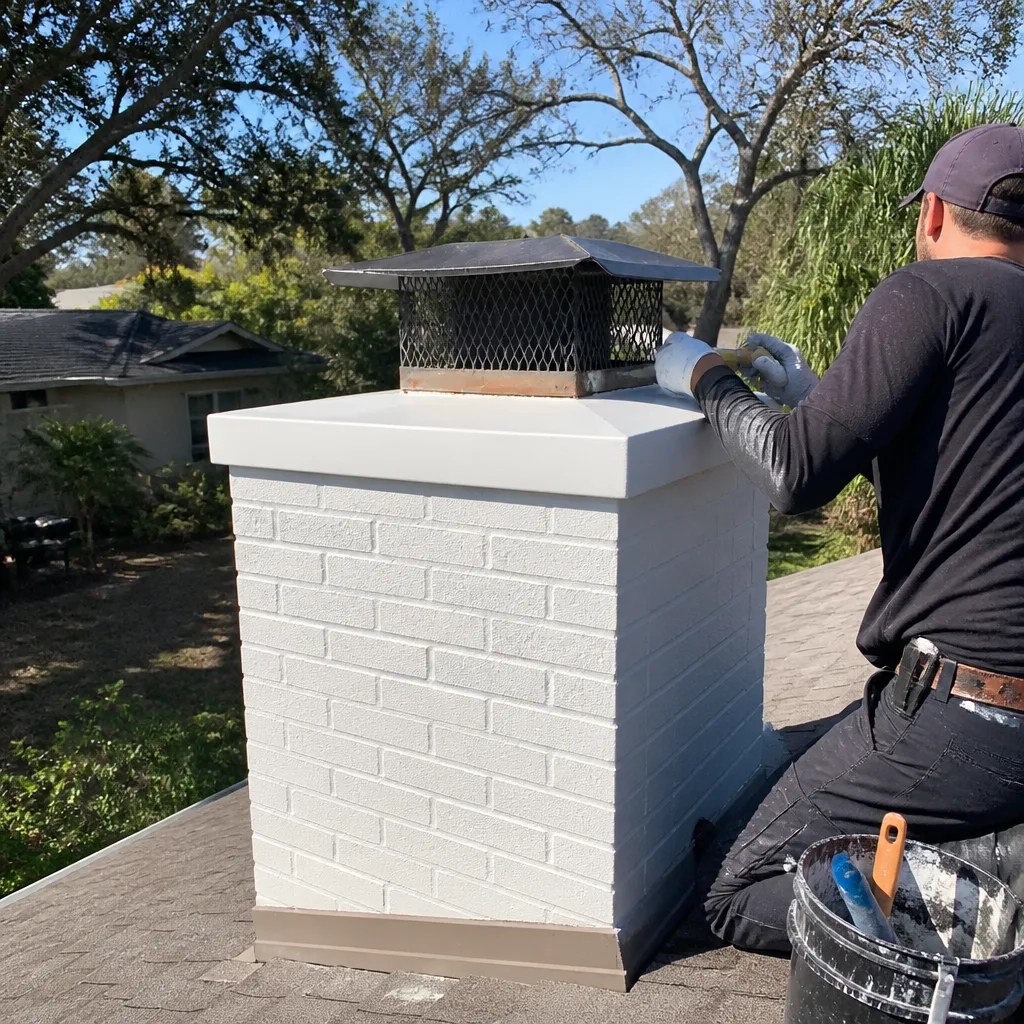 After
After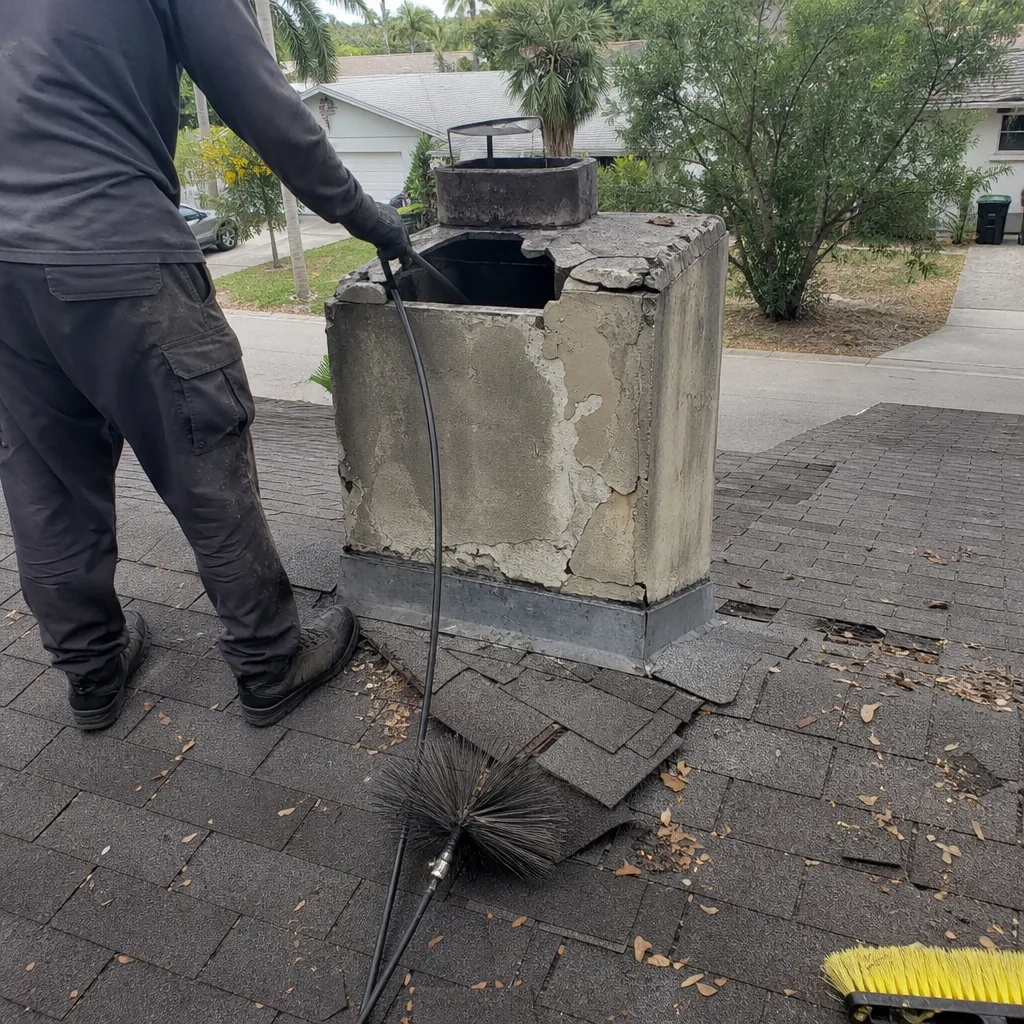 Before
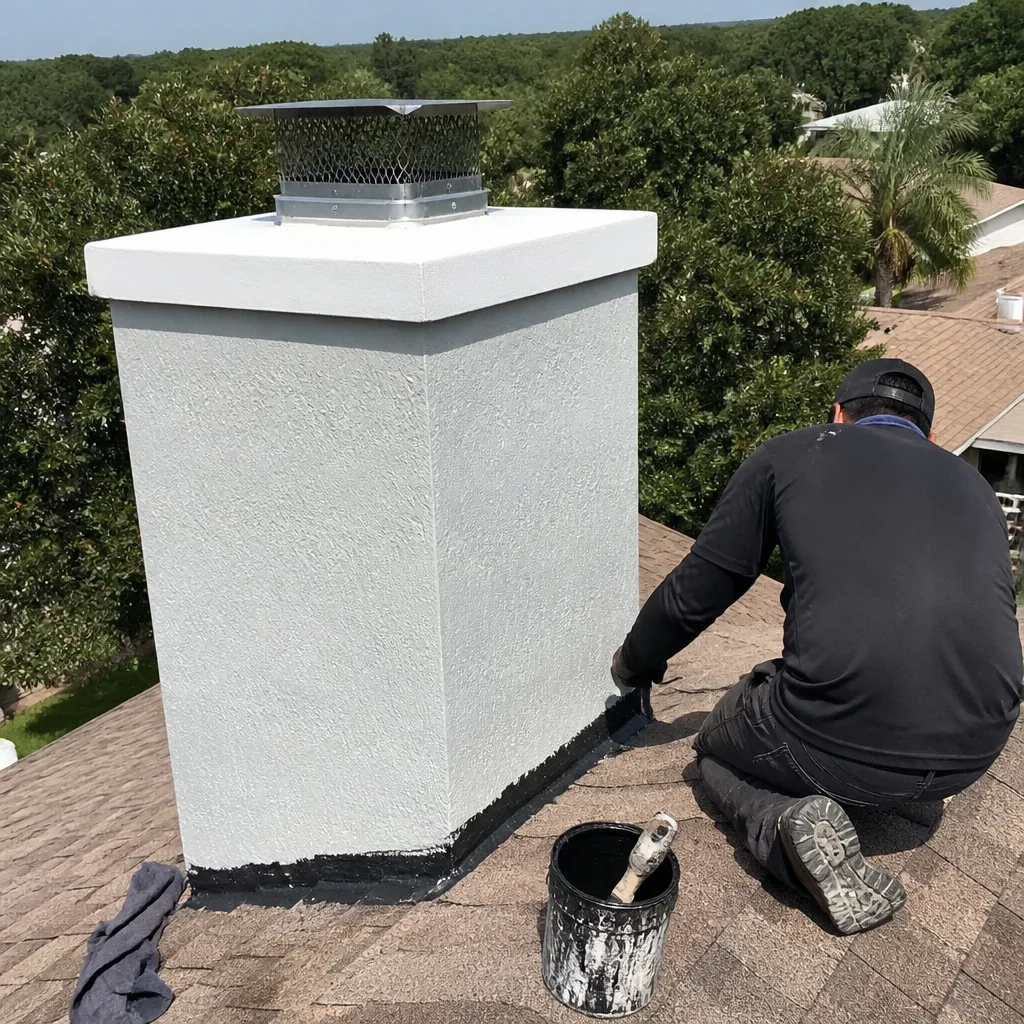 After
AfterReplacement Cost & What’s Included
Here’s the honest math for HeatShield flue liner replacement in Tampa, and we’re comfortable publishing it because we quote before we touch anything:
- Visual inspection and camera scope: $99 to $175, waived if you proceed with the repair
- HeatShield resurfacing (single flue, one story, average access): $1,200 to $1,800
- HeatShield replacement with minor clay tile repair first: $1,500 to $2,300
- Full flue liner replacement (when HeatShield isn’t viable and you need a stainless liner like DuraFlex): $2,800 to $5,500 depending on flue height and access
- Chimney cap or crown repair (commonly needed alongside liner work): $250 to $650
Every Hadley Chimney Tampa quote includes the parts, the labor, the camera documentation before and after, and a written guarantee on the repair for 365 days. Our 365-Day Done Right Promise means if the repair fails within a year, we come back and make it right at no charge. That’s not a promotional offer. That’s the standing commitment on every job we do in Tampa.
What drives the price range is access (roof pitch, chase height), flue dimensions, and how much prep work the underlying clay tile needs before the HeatShield can be applied correctly. A one-story ranch in Seminole Heights is going to price differently than a three-story townhome in Channelside.
DIY or Call Us?
You can safely check for visible flaking in the firebox and watch for the symptoms listed above. That’s about where DIY should end. HeatShield flue liner replacement requires specialized mixing equipment, a winch-and-blade applicator system, and the training to know what a properly bonded application looks like after it cures. Getting the mixing ratio wrong or applying over a surface that hasn’t been prepped correctly means the new HeatShield fails within a season or two, and you’re out the money plus the cost of doing it right the second time.
There’s also a real safety line here. Working inside a chimney flue from the roof involves heights, confined space, and material handling that most homeowners shouldn’t attempt. If the flue is compromised enough to need HeatShield replacement, carbon monoxide and fire risk are already part of the conversation. That’s not drama, it’s the reason this trade exists.
I’d rather show you a photo of the creosote than describe it three ways and still leave you guessing. Call (850) 790-3475 and we’ll run the camera, show you exactly what’s happening, and give you a written price before any work starts.
FAQs
A properly applied HeatShield liner typically lasts 15 to 25 years in Tampa, but our humid, salt-air climate and seasonal rain cycles put more stress on the ceramic bond than drier markets like Phoenix or Denver, so we recommend a camera inspection every 2 to 3 years to catch delamination early. The underlying clay tile and your chimney cap’s condition matter just as much as the HeatShield itself. Call (850) 790-3475 for a free estimate and camera scope.
Yes, in about 60% of Tampa homes we inspect, the HeatShield failure is localized enough to repair with the same cerfractory material rather than doing a full replacement. The deciding factor is whether the underlying clay tile is intact and whether the delamination is patchy or widespread. We won’t recommend a repair that won’t hold. Call (850) 790-3475 to schedule a camera inspection.
A straightforward single-flue HeatShield replacement in Tampa takes one day for the application, plus 24 to 48 hours of cure time before the fireplace should be used. Most jobs are complete in a single visit, with the camera documentation and digital invoice sent to your phone before our tech leaves the property. Call (850) 790-3475 to book.
We stock HeatShield cerfractory product components and application equipment on our service vehicles in Tampa, along with DuraFlex stainless liner and Gelco components, so we can quote and complete most liner replacements in one visit. Specialized flue dimensions occasionally require a supplemental order, and we’ll tell you that before you commit to anything. Call (850) 790-3475 to confirm availability for your chimney.
Written by Cory Mitchell, Owner, Hadley Chimney Tampa at Hadley Chimney Tampa, serving Tampa and nearby areas.