
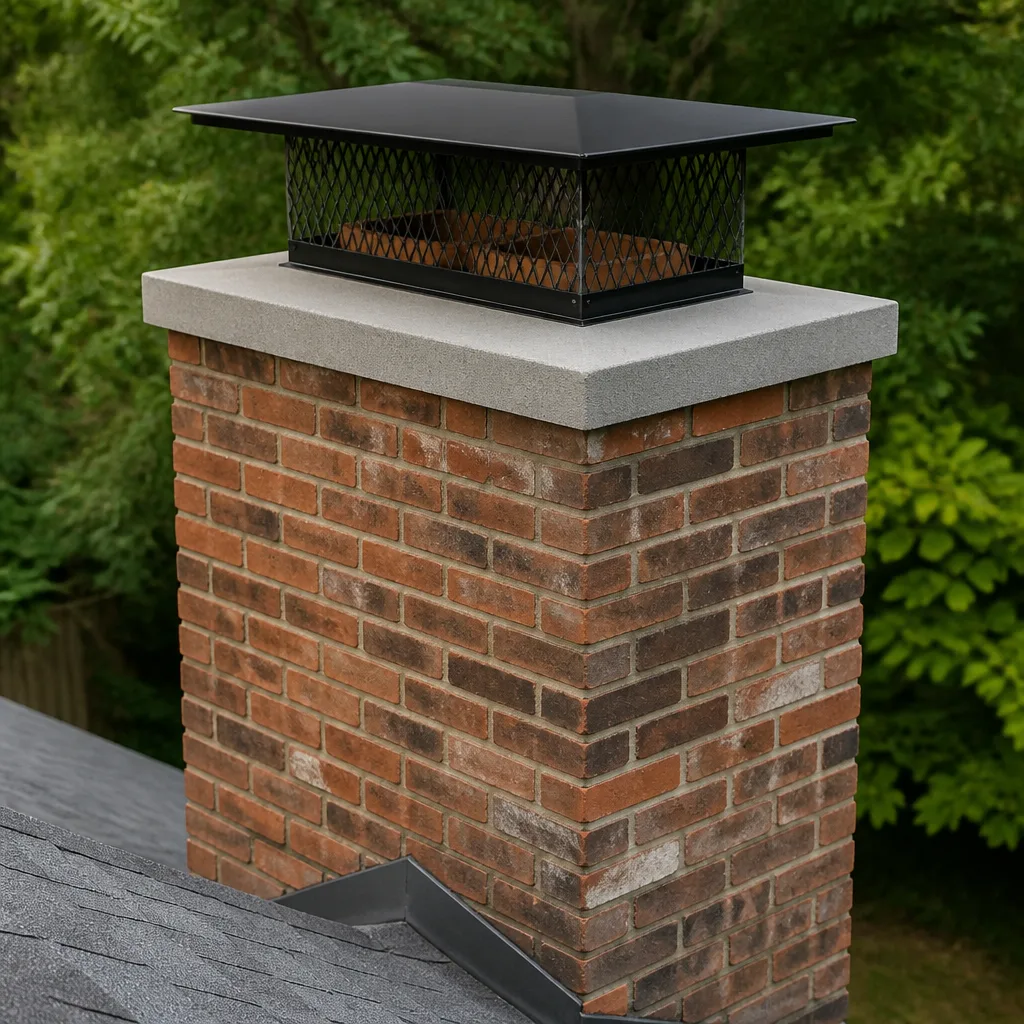
 Caps & crowns
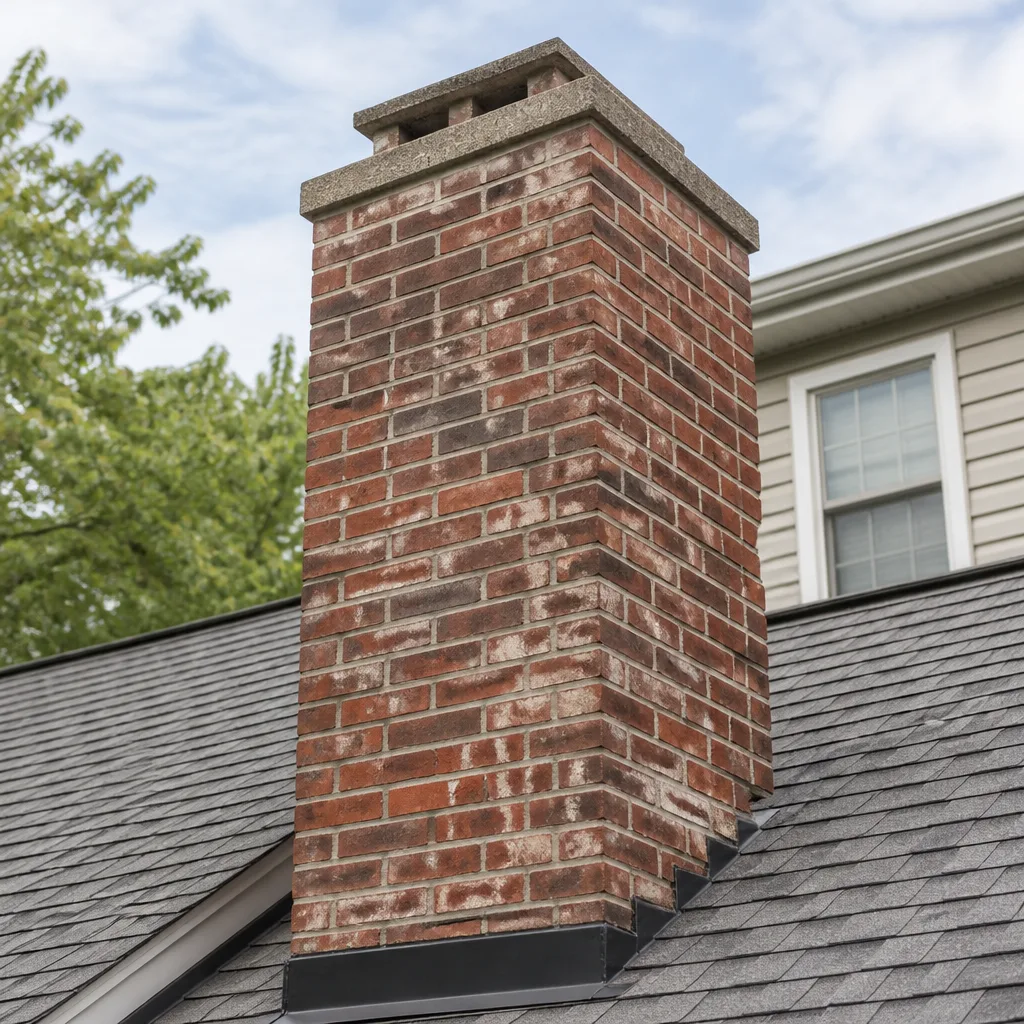 Masonry repair
Level 1 sweep and inspection to the NFPA 211 annual standard - flue, crown, cap, and flashing checked and photographed
Chimney sweep logs do not sweep chimneys. They loosen some creosote - which then falls where a brush and vacuum still have to collect it.
Why Tampa Homeowners Choose HeatShield Chimney Cleaning
HeatShield in Tampa protects the inner liner of your flue with a ceramic coating system that seals cracks, fills joints, and resists the specific mix of humidity and salt air we get here on the Gulf Coast. We’re an independent HeatShield service provider, not an authorized dealer, which means we recommend what field evidence tells us, not what a corporate brochure says. The short version: if your chimney has hairline cracks, spalling mortar, or gaps between flue tiles, HeatShield Cerfractory sealant stops moisture and creosote from pushing into the masonry around your flue. Call (850) 790-3475 and we’ll put a camera in the flue and show you exactly what we’re seeing before anyone picks up a brush.
Our crew works on HeatShield service in Brandon and across Tampa from the 1920s bungalows in Seminole Heights to the roof-chase builds in New Tampa. Older brick chimneys in Hyde Park especially. The humidity here means a crack that would stay dry in Phoenix becomes a slow water intrusion problem in Tampa within two summers. That’s the reality we engineer around.
Why Trust Hadley Chimney Tampa for Your HeatShield Chimney Cleaning?
HeatShield isn’t a product you can learn from one afternoon of training. The Cerfractory Flue Sealant, the Joint Repair System, the Resurfacing System, and the CeCure Sleeve Relining System all handle differently depending on flue condition, tile type, and our local moisture load. Our owner, Cory Mitchell, came up through the construction technology program at Los Angeles Trade-Technical College before running crews across Tampa. He’s done enough camera inspections in Hyde Park to know what a 90-year-old unlined flue looks like inside before anyone touches it. That background means we apply HeatShield only after the surface is actually sound, not just to cover problems up.
We use genuine HeatShield Cerfractory sealant and CeCure sleeve components straight from trusted distributors. Off-brand equivalents never match the thermal expansion or adhesion characteristics, so we don’t stock them. The work itself carries our 365-Day Done Right Promise: a written guarantee on every repair and a free second visit if anything fails within a year. We’re an independent service provider. HeatShield doesn’t authorize us, and we don’t pretend otherwise. What we offer is straightforward: background-checked, uniformed techs, live arrival tracking through the Relay Visibility Guarantee, and before-and-after photos on every job. That’s the Relay Standard.
Styles & brands we work with
Common HeatShield Chimney Cleaning Problems We Fix in Tampa
- Hairline cracks in flue tiles admitting moisture and creosote into the chase cavity. This is the failure we see most in Tampa. The ceramic tiles expand with our summer heat and contract during the rare cold snaps, and after enough cycles the hairline fractures become real paths for creosote and damp air. A standard sweep won’t address it. We clean out the flue, then apply the HeatShield Joint Repair System where the cracks run. On older HeatShield coats that have cracked near the smoke shelf, the ceramic resurfacing locks everything back together.
- Spalling and eroded mortar joints creating gaps too wide for a simple sweep. Masonry around the flue starts to spall when water gets in and vaporizes repeatedly under Tampa’s heat. The mortar between flue tiles breaks down, creating gaps that leak smoke into the house. We see it constantly in mid-century ranch homes in Carrollwood. HeatShield joint repair fills the gaps, then we assess whether a resurfacing coat or full CeCure sleeve is the right long-term fix.
- Delamination of older HeatShield coating from the original tile surface due to thermal cycling. The Cerfractory material bonds tight when applied correctly, but if the original surface wasn’t prepped right, or if many years of Tampa’s thermal swings have pushed on it, the coating can separate from the tile. We document this with a camera so you see what we see. Usually the fix is to grind back the flaking surface, clean the tile, and reapply a joint repair sealant before resurfacing. Hiding it under a fresh sweep would be worse than useless.
- Smoke intrusion through the faulty damper area where the lower HeatShield seal has cracked. The damper throat is a high-stress area. The lower heat from a fire, plus the cold draft when the chimney sits idle, cracks the original HeatShield seal right there. You’ll smell smoke in the living room even with the damper open. A localized patch at the damper area works if the rest of the flue is sound. If it’s not, we tell you plainly and show you the photos to back it up.
- Third-degree creosote buildup behind a HeatShield coating with hairline cracks near the smoke shelf. This is the scary one. Creosote forms in three grades, and third-degree creosote is the hard tar glaze that looks like black glass. Behind a compromised HeatShield coat it hides in cracks and pockets. On a South Tampa bungalow, our tech found extensive third-degree creosote behind a HeatShield coating with hairline cracks near the smoke shelf. We removed the creosote, ground back the flaking Cerfractory surface, applied joint repair sealant, then completed a full resurfacing. The flue now drafts cleanly and the homeowner has photos documenting the entire process.
Tampa’s climate makes every one of these problems worse. The humid subtropical air means creosote that might flake off in a dry climate glues itself in place here. Summer thunderstorms drive moisture into any crack, and the lack of a real winter means many chimneys sit unused for years while nests form and blockages harden.
HeatShield Parts & Our Repair-vs-Replace Approach
For HeatShield system work, we use the genuine Cerfractory sealant and CeCure sleeve components. Every time. The Cerfractory material is engineered for a specific thermal expansion rate and adhesion profile. Generic refractory products sold by the bucket can’t match it, and a failed patch means moisture gets behind the patch and makes the original problem bigger. We source directly from established distributors, and we keep common HeatShield repair materials on hand so a job doesn’t stall waiting for a shipment.
The honest truth about repair versus replace: a localized crack or spalled mortar joint can often be patched and sealed for years. But if the flue has multiple delaminated sections, or if the tiles are shifting out of alignment, a full resurfacing or a CeCure sleeve relining is the smarter long-term move. We’ll always show you the camera footage and let you make the call with actual evidence. If the coating is peeling near the top of the flue only, that patch might be all you need. We won’t sell you a full reline for one bad section. Call (850) 790-3475 and we’ll have a live person sort out what you’re seeing.
Our HeatShield Service Process – Step by Step
- 1
Diagnosis and camera documentation. We run a Level 2 camera inspection through the entire flue, documenting cracks, spalling, creosote grade, and the condition of any existing HeatShield coating. You get photos you can zoom in on. Cory’s signature move: he’d rather show you a photo of the creosote than describe it three ways and still leave you guessing.
- 2
Surface preparation. For any HeatShield application, the flue surface must be clean and stable. We remove creosote through full mechanical sweeping, then address any failing coating by grinding back flaking Cerfractory to sound material. This prep step is where cheap jobs cut corners. We don’t.
- 3
HeatShield application. Whether a joint repair, a localized patch, or a full Cerfractory resurfacing, the material gets applied in passes that build up properly. For a CeCure sleeve relining, we measure, position, and inflate the sleeve so it cures smooth against the flue walls.
- 4
Post-application testing and photo documentation. We run the camera again after the material cures so you can see the finished surface. A draft test confirms airflow. You get before-and-after photos and a digital invoice with a written price matched to what was agreed.
- 5
Written warranty. Every HeatShield repair comes with a written guarantee under the 365-Day Done Right Promise. If the repair fails within a year, we return at no charge. Simple.
See the difference
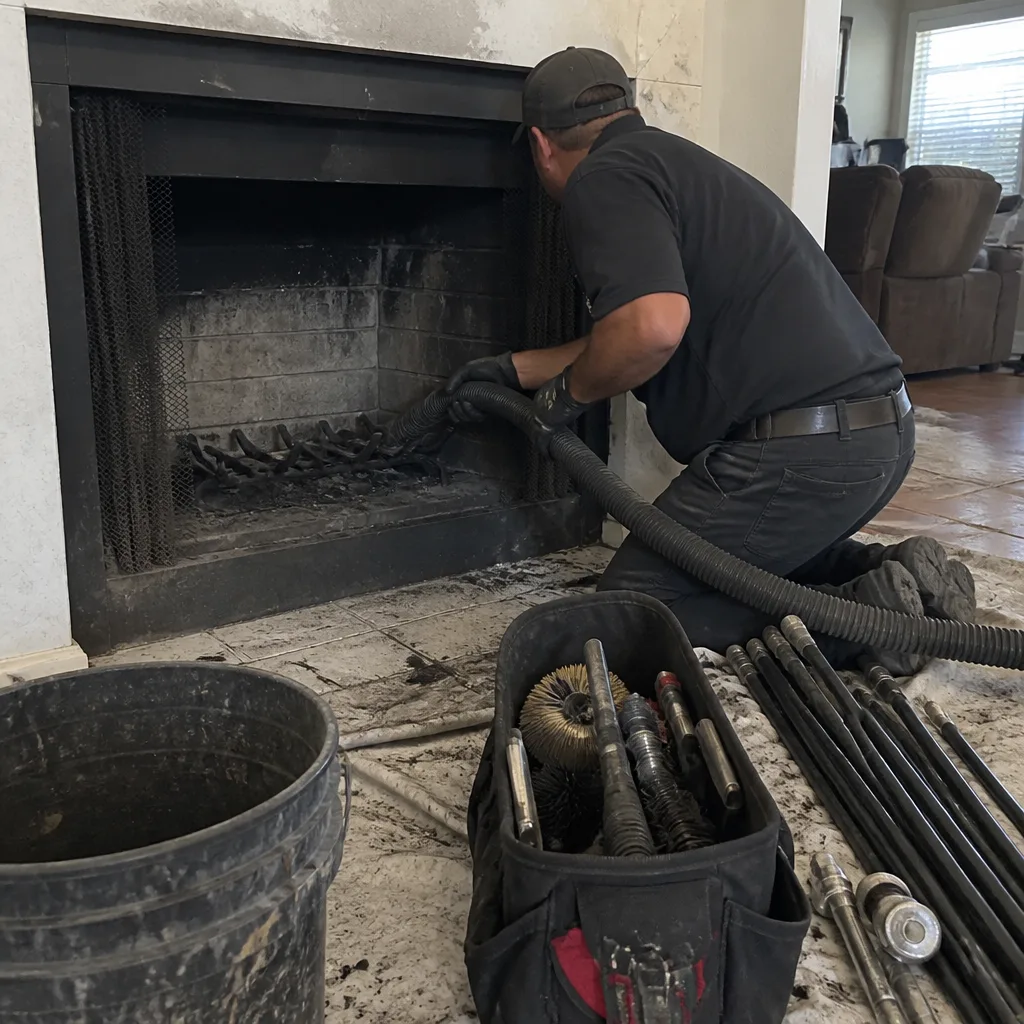 Before
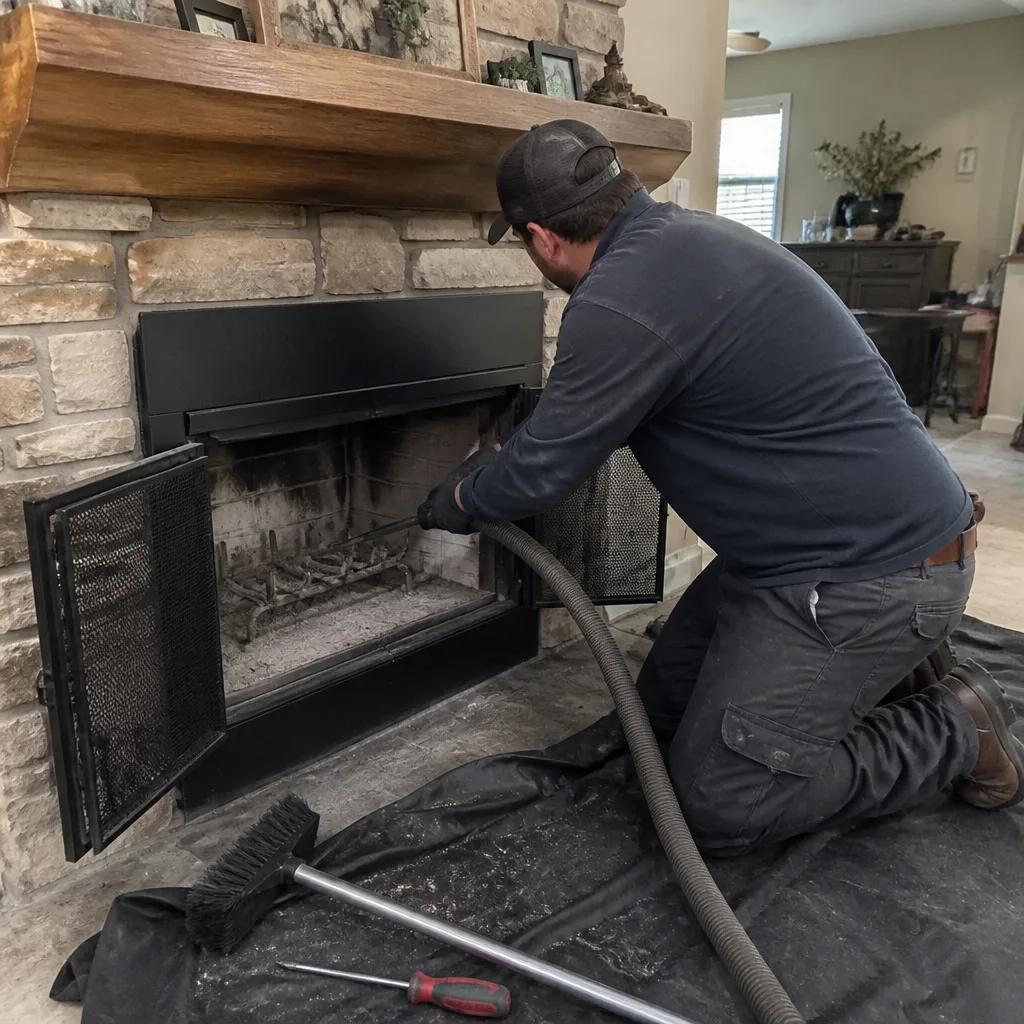 After
After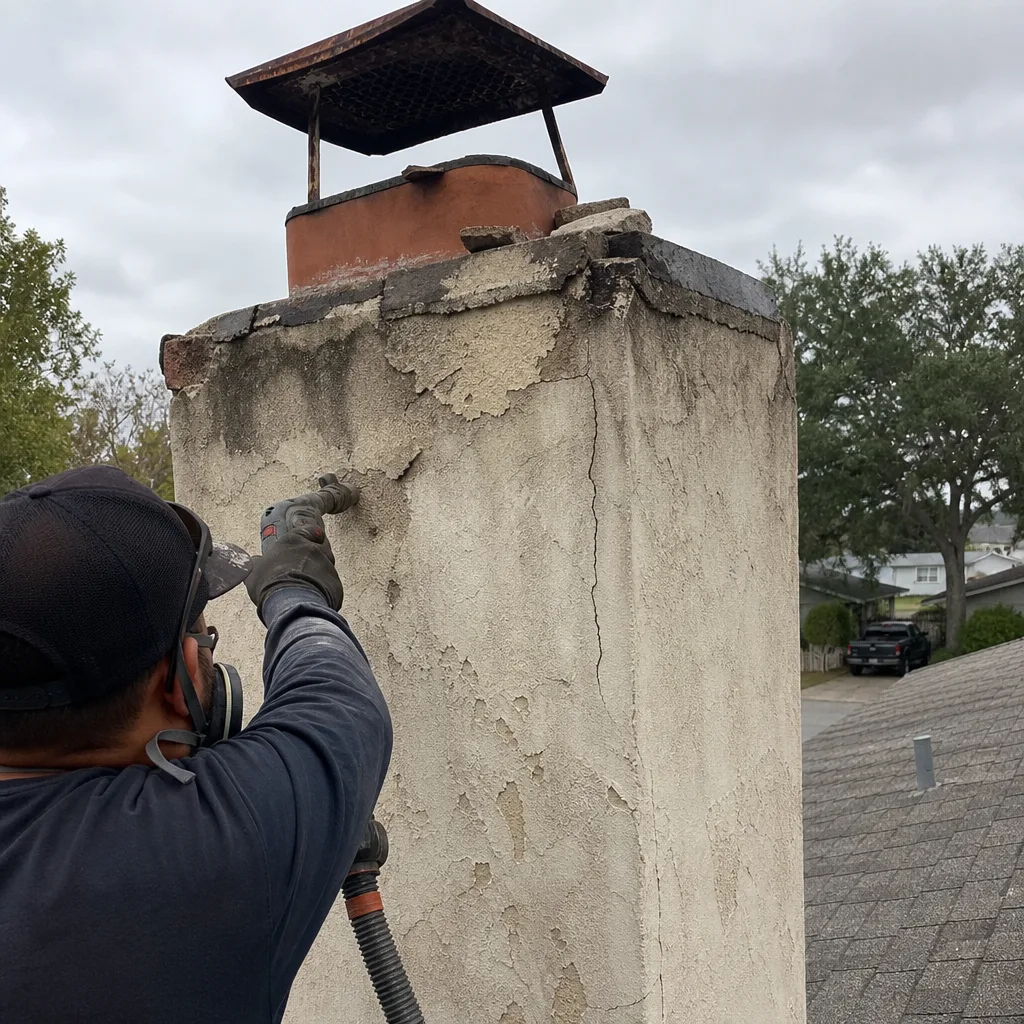 Before
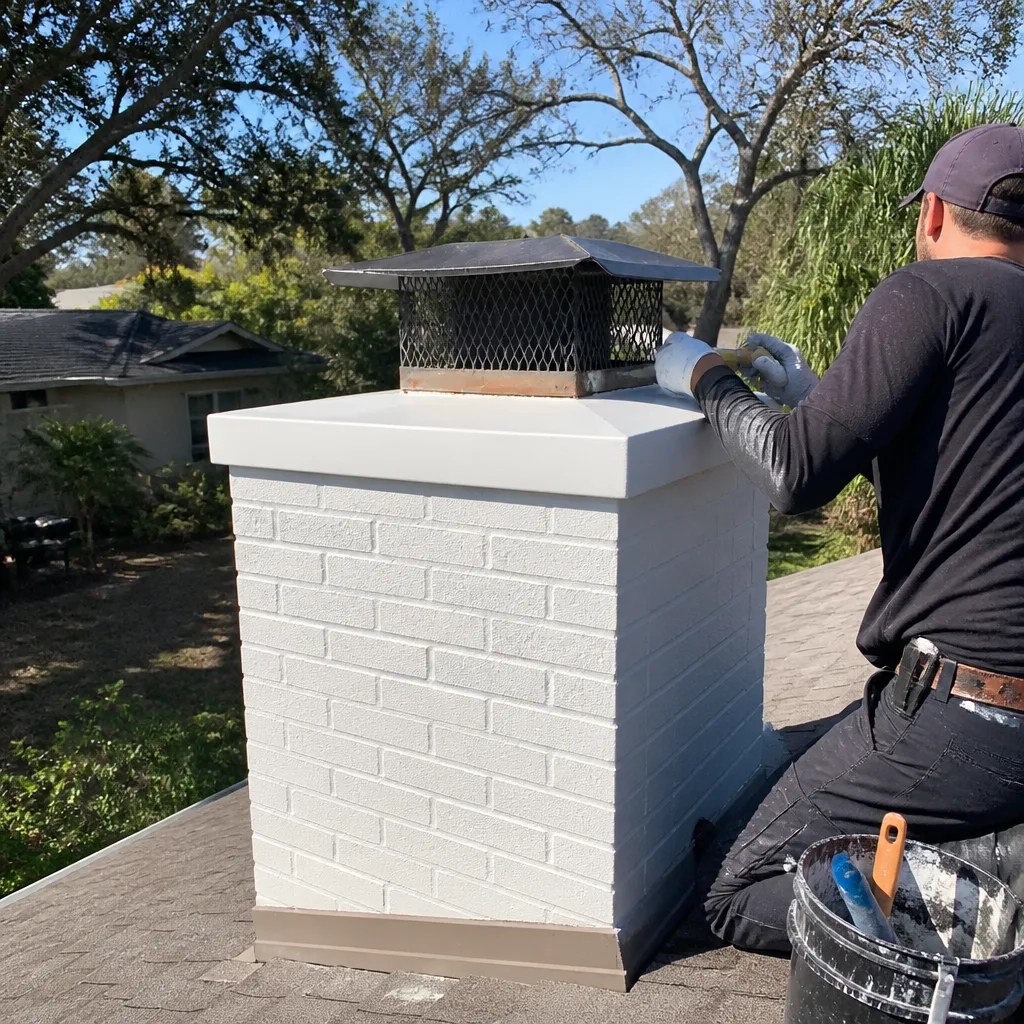 After
After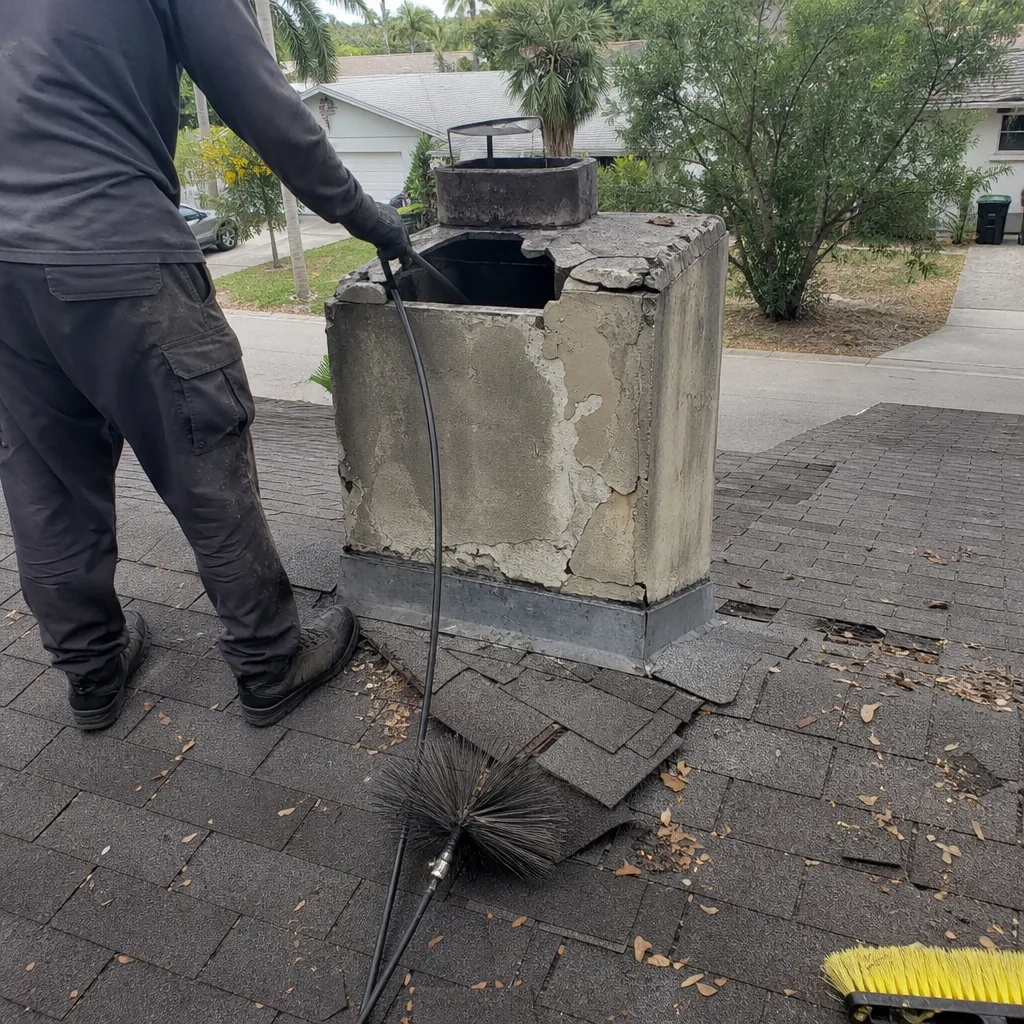 Before
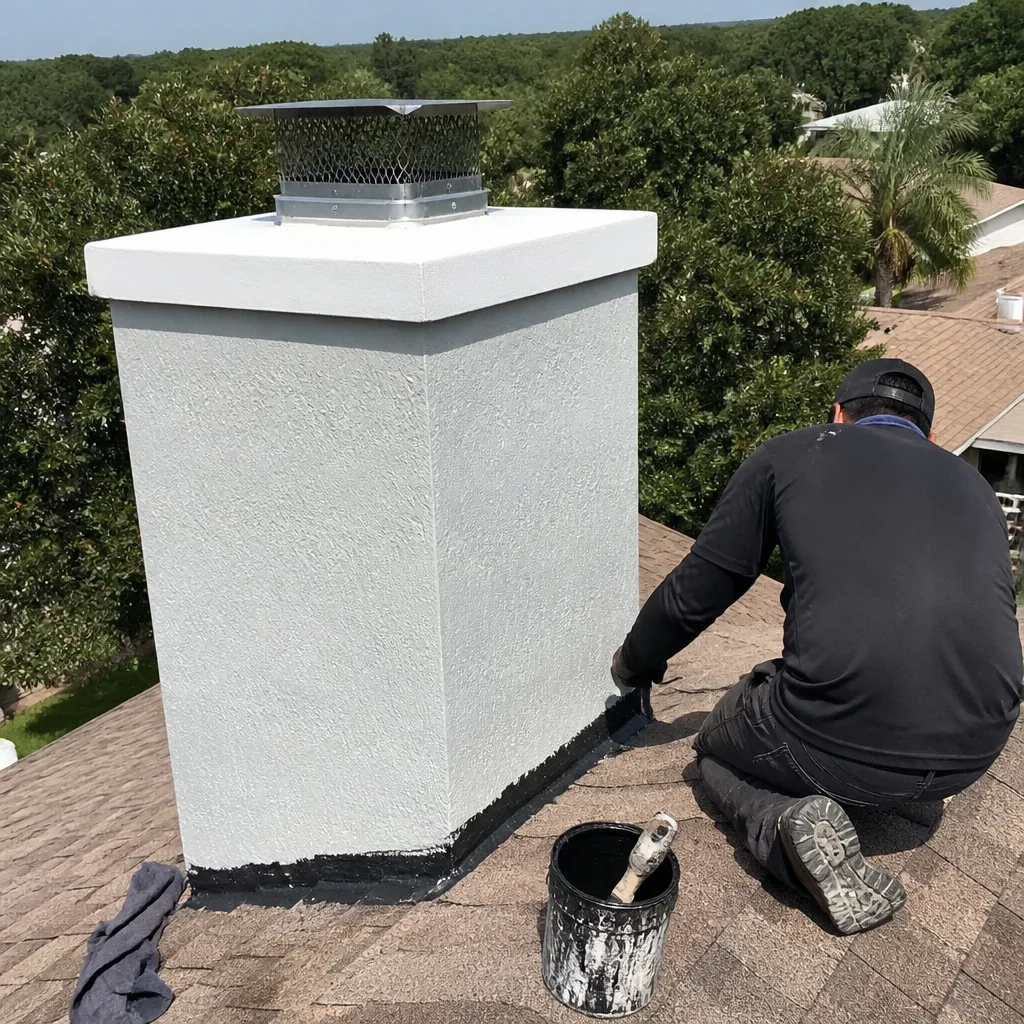 After
AfterHeatShield Products We Service & Install in Tampa
We work with the full HeatShield system lineup: the Cerfractory Flue Sealant for surface coating, the Joint Repair System for cracks and mortar gaps, the Resurfacing System for full flue rehabilitation, and the CeCure Sleeve Relining System for a pump-in-place insulated liner. Most Tampa and Clearwater homes we see need either a targeted joint repair or a full resurfacing. The CeCure sleeve gets recommended when the original tile structure is too far gone for a surface coat. We keep common HeatShield material on hand for faster jobs across Tampa.
We Also Service These Brands
HeatShield isn’t the only system we work with. We service and install DuraFlex flexible liner systems and Gelco chimney products as well. Some flues are better served by a stainless liner than a ceramic coating, and we’ll say so when the camera evidence points that way. Multi-brand experience matters because your chimney doesn’t care what brand is painted on the truck; it cares whether the work is done right.
FAQs – HeatShield Chimney Cleaning Service in Tampa
Yes, HeatShield’s whole point is to seal and coat the inside of an existing flue without tearing out the original tiles. The Cerfractory material bonds to the tile surface, filling cracks and joints so the flue functions as one continuous insulated channel. That said, the tiles need to be structurally stable. If they’ve shifted badly or crumbled, a CeCure sleeve or a stainless liner may be the better call. We’ll show you the camera video so you can see exactly what’s going on. Call (850) 790-3475 for an honest assessment.
HeatShield performs well in humid climates when the coat is applied correctly and the flue surface is properly prepped first. Tampa’s coastal humidity and salt air add stress to every chimney component, but the Cerfractory material itself is moisture-resistant once cured. The failures we see usually trace back to poor prep work or original installation problems, not a climate weakness in the product itself. The main thing Tampa homeowners need to watch for is existing hairline cracks letting moisture push behind the coating.
It depends on the flue’s condition and shape. A CeCure sleeve creates a seamless insulated ceramic liner that works well in flues with mild irregularities, and it preserves the original interior dimensions better than a round stainless pipe in a square tile flue. Stainless liners are the stronger choice for flues with severe structural movement or for appliances that run very hot. We install both options and will give you a straight recommendation based on the camera evidence, not on which one carries a higher margin.
Our Chimney Sweep services include a Level 2 inspection with everything in a Level 1 visual check plus a camera scan of the entire flue interior, the smoke chamber, and the damper area. For Tampa home sales, this matters because many older Hyde Park and Seminole Heights chimneys have unlined flues or failing HeatShield coats that a buyer would never see without a camera. We document cracks, spalling, delamination, and creosote grade in a written report with photos you can share with the buyer, lender, or home inspector. Call (850) 790-3475 before the closing date.
Usually yes. If the peeling is confined to a localized area near the flue top and the rest of the coating is intact and bonded, we grind back the flaking Cerfractory surface and apply a joint repair sealant before patching the section. A full resurfacing is only necessary when the delamination spreads across multiple sections or into the smoke shelf area. We’ll show you the camera footage so you can see the extent of it before deciding. A patch job should never cost you a full reline price.
A standard HeatShield chimney cleaning and inspection in Tampa typically runs $195 – $295 for a single flue with no major repairs. Joint repair or localized patching adds $350 – $650 depending on the size of the problem, and a full resurfacing or CeCure relining runs $2,800 – $5,500 for a typical single-story Tampa home. CeCure sleeves sit at the top of that range. These are honest ranges based on our actual Tampa work, not generic national averages. Call (850) 790-3475 and we’ll quote a written price before anyone climbs on the roof.
Book Your HeatShield Service in Tampa, FL
If your HeatShield system needs a sweep, a repair, or just a camera inspection to see what’s really going on inside the flue, call (850) 790-3475. A live person answers 24/7. We’ll book a tracked arrival window, put a camera in the flue, and send you photos of exactly what we find. If you’re in Tampa, we’re nearby.
Written by Cory Mitchell, Owner at Hadley Chimney Tampa, serving Tampa since 2003.