
Last updated October 15, 2026
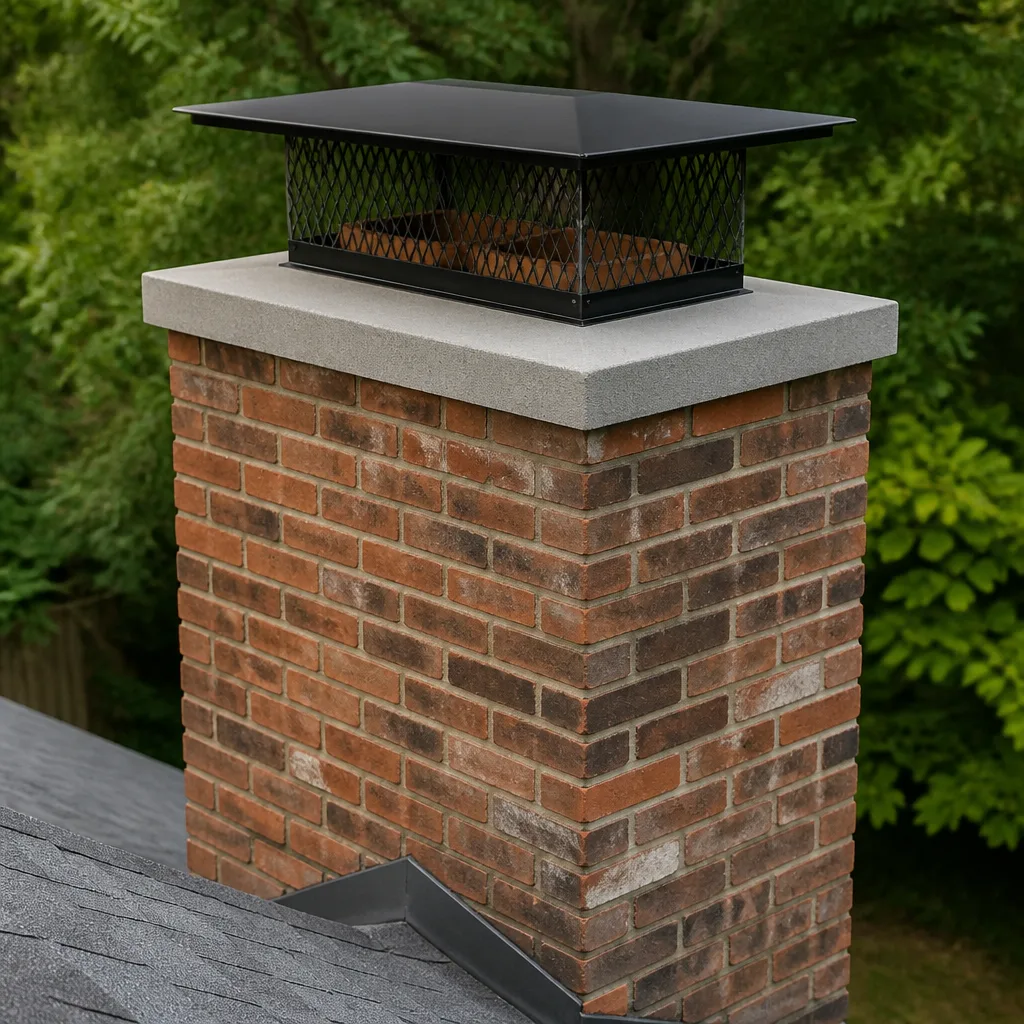 Caps & crowns
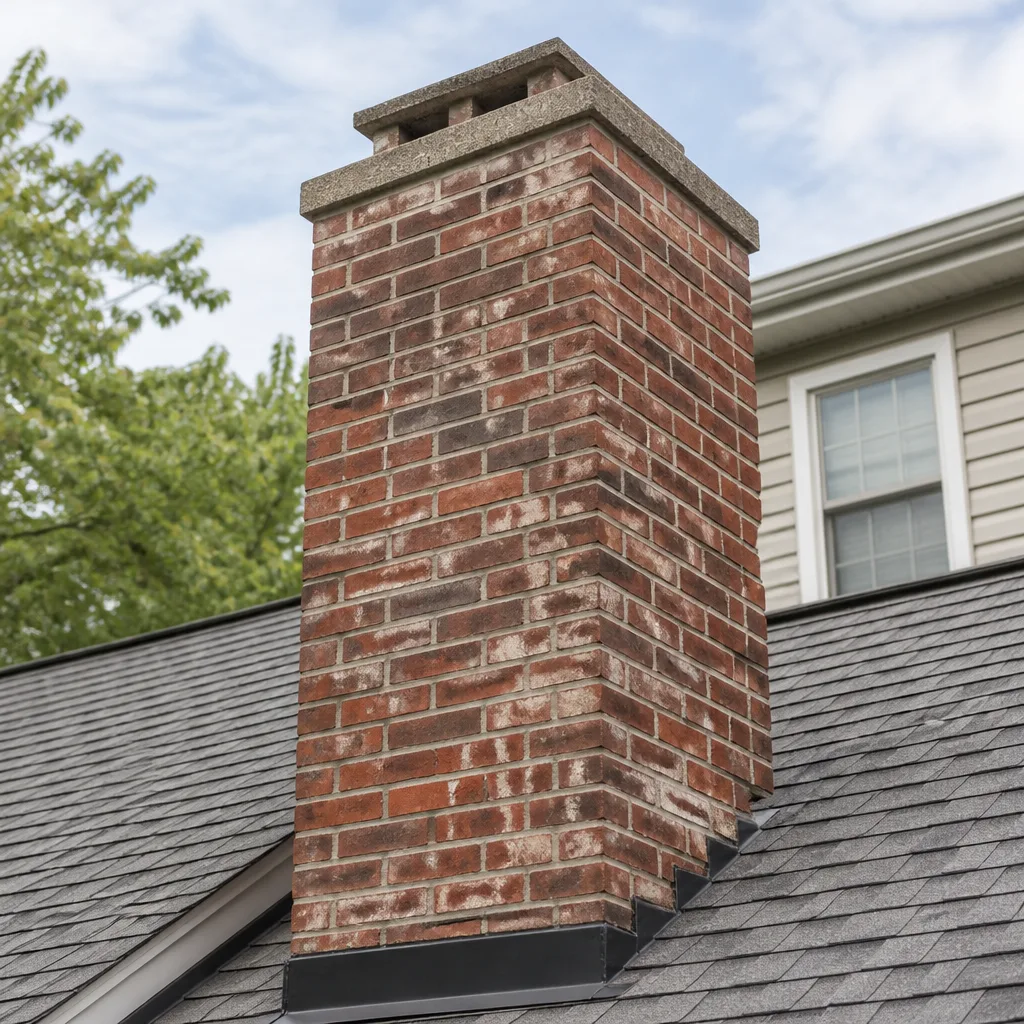 Masonry repair
Level 1 sweep and inspection to the NFPA 211 annual standard - flue, crown, cap, and flashing checked and photographed
Chimney sweep logs do not sweep chimneys. They loosen some creosote - which then falls where a brush and vacuum still have to collect it.
DIY vs Professional Chimney Cleaning: The Tampa Homeowner’s Decision Guide
Here’s a counterintuitive fact about chimneys in Tampa: the biggest danger to your home probably isn’t the black, crusty stuff you picture when someone says “dirty chimney.” It’s the damage you can’t see from the hearth. Most Tampa homeowners who research DIY chimney cleaning are worried about creosote (the flammable tar buildup that makes chimneys a fire risk), but in our humid, mostly warm climate, the real threats are moisture intrusion, cracked flue liners, and the critters that take up residence in an idle flue. A wire brush from the hardware store can scrub soot. What it cannot do is tell you whether your chimney is actually safe to use. This guide walks through exactly what DIY accomplishes, what it misses, and how to decide which path fits your fireplace, your roof, and your risk tolerance in Tampa. For How to Hire a Chimney Cleaning Contractor in Tampa: A Step-by-Step Guide, see our dedicated resource.
Quick Answer
For most Tampa homeowners, DIY chimney sweeping is a reasonable maintenance task only if your fireplace is wood-burning, used regularly, and was professionally inspected (not just swept) within the last 12 months. For everyone else, the professional visit isn’t primarily about the sweeping. It’s about the inspection: a trained sweep documents liner condition, flashing integrity, and flue clearance with photos you can actually see. That inspection is what catches the moisture and structural problems far more common in Tampa than creosote fires. So, the short version: if your chimney is gas, vented, or rarely used, skip the DIY kit and book an inspected sweep. If you burn wood regularly and had a clean inspection last year, a competent DIY brushing is defensible, provided you understand what you’re not seeing.
Styles & brands we work with
Table of Contents
- What DIY Chimney Cleaning Actually Accomplishes in Tampa
- What a Wire Brush Cannot Detect: Tampa’s Real Chimney Failure Modes
- The Equipment Reality: What a Proper DIY Kit Costs and What Gear Is Non-Negotiable
- The One Scenario Where DIY Is Genuinely Appropriate
- Three Scenarios Where DIY Creates False Confidence
- How Often Should a Chimney Be Inspected? What the CSIA Says vs. Tampa Reality
- Using Professional Before-and-After Photos as Your DIY Benchmark
- Common Mistakes to Avoid
- When to Call a Professional
- Frequently Asked Questions
What DIY Chimney Cleaning Actually Accomplishes in Tampa
Let’s be honest about what a DIY chimney sweep is. You’re buying a brush, some extension rods, and probably a tarp. You’re climbing onto your roof, which in Tampa might be steep tile or shingle, and you’re scrubbing the flue from the top down. Physically, that removes loose soot and light creosote from the flue walls. That’s it. For a Tampa homeowner who burns a fire maybe six to ten times between December and February, that’s very often a meaningful amount of what’s actually in there. You can absolutely remove enough loose particulate to make the next few fires burn a little cleaner. What you’re not doing is any of the following: measuring creosote thickness with any precision, inspecting the flue for cracks or gaps, checking the chimney cap or animal guard, looking at the crown (the concrete cap on top of the chimney stack), examining the flashing where the chimney meets the roof, or verifying the damper is sealing and functioning. A good DIY cleaning is a maintenance task, not an inspection. And that distinction is the entire ballgame for Tampa chimneys. Most sweeps in our area would tell you the cleanings they do for regular wood-burning customers are straightforward. The problems they find during a professional chimney sweep in Tampa are rarely that the flue was too dirty. They find water staining, rusted dampers, bird or squirrel nests, cracked clay tiles, and flashing that separated during a summer storm. If you DIY the brushwork and skip the professional eye, those findings wait until they become leaks or fire hazards.
What a Wire Brush Cannot Detect: Tampa’s Real Chimney Failure Modes
Here is the central flaw in the DIY-versus-professional framing for Tampa specifically: the question assumes a dirty chimney is the problem a cleaning solves. In many northern markets, that is true. People burn constantly for six months, creosote glazes the flue, and the annual sweep is genuinely about fire prevention. Tampa is not that market. Our climate is subtropical, our burning season is short and intermittent, and the dominant chimney problems are not typically thick creosote. They are moisture and animals. Our Seasonal Chimney Cleaning Care for Tampa: Year-Round Homeowner’s Guide breaks down what to watch for each season.
Moisture Intrusion and What It Does
Tampa averages over 50 inches of rain a year. Much of that arrives in afternoon thunderstorms between June and September, often with high winds driving rain sideways. Your chimney crown, the concrete pad at the very top, takes the brunt of that. When it cracks (and it will crack eventually in this climate), water enters the chimney structure itself. That water does three things. First, it deteriorates the mortar joints between bricks, which you’ll eventually see as spalling (bricks flaking or popping off on the outside of your chimney). Second, it rusts the damper and any metal components. Third, and most seriously, it seeps into a clay flue liner, saturates it, and then when you do light a fire, the thermal shock cracks the liner. A cracked liner inside a chimney hidden behind drywall is a serious fire risk that no brush can reveal. DIY cleaning finds none of this. A professional inspection with a camera sees it immediately.
Animal Intrusion
Tampa has squirrels, raccoons, chimney swifts, and anoles that love a warm, dry void. A chimney without a proper cap, or with a damaged one, becomes a nesting site. A DIY brush will knock out sticks and leaves, but it will not tell you whether the damper is damaged by animal activity, whether there’s a dead animal stuck above the smoke shelf, or whether the flue has accumulated guano that is now a respiratory concern. Animals don’t care about your cleaning schedule. If you’re going to DIY, you still need someone to look at the cap and the damper area, especially after summer nesting season.
Flashing and the Roof Connection
The flashing is the metal that seals the joint where your chimney penetrates the roofline. In Tampa, with our storm-driven rain and high humidity, failed flashing is one of the most common sources of roof leaks. It’s also completely invisible from the ground and unaffected by any interior brush. Only someone on the roof or in the attic can assess it. A professional sweep who is on your roof anyway for the cleaning will check this as part of the service. A DIY homeowner on the roof for a brushing often doesn’t know what to look for.
The Equipment Reality: What a Proper DIY Kit Costs and What Gear Is Non-Negotiable
The economics of DIY chimney cleaning only work if you commit to doing this yourself every single year, and if you don’t cut corners on basic safety. Here’s a realistic breakdown of what a competent Tampa DIY setup looks like.
- Chimney brush kit with rods: $40 to $90. Buy the brush sized to your exact flue dimensions; a wrong-sized brush either doesn’t scrub or gets stuck.
- Drop cloths or poly sheeting: $10 to $20 from any hardware store. You’ll need full coverage of the hearth and some floor area beyond it.
- Shop vac with a HEPA filter: $80 to $200. A standard shop vac blows fine soot back into the room in a way you don’t want to breathe. You need HEPA.
- Dust mask (N95 at minimum, P100 preferred): $10 to $30. Soot and creosote are not just dirty; they are respiratory irritants and potential carcinogens. Do not skip this.
- Safety goggles: $8 to $15. Creosote flakes falling into your eyes will end the project quickly.
- Headlamp or work light: $15 to $40. You cannot fix what you cannot see, and the inside of a flue is dark.
- Roof-appropriate footwear and, ideally, a harness: $30 to $150. In Tampa, many roofs are tile, and tile is slippery even when dry. If your roof pitch is steep or your tile is aging, this line item becomes the most important one on the list.
So the realistic first-year cost is between roughly $200 and $550. Annual after that is mostly just your time, plus replacement brushes when they wear. Compare that to a professional Hadley Chimney Tampa home sweep, which includes the equipment, the safety, the inspection, and the liability for climbing on your roof. If you’re climbing on a steep tile roof in Tampa in August, the math on a professional visit starts looking a lot more reasonable. The roof alone is where most DIYers should pause. One slip on a tile roof is a medical bill that dwarfs the cost of every professional chimney service you will ever buy. That’s not a scare tactic. It’s the honest arithmetic.
The One Scenario Where DIY Is Genuinely Appropriate
We’re not anti-DIY. There is a defined situation where annual homeowner brushing is perfectly sensible, and we’ve recommended it to Tampa customers who meet all the criteria.
- You burn seasoned hardwood regularly during the Tampa winter months. You’re generating enough soot and light creosote for a brushing to have something real to remove.
- Your fireplace is wood-burning, not gas, not vented, not a factory-built insert you’re unsure about. Open masonry hearths are straightforward to clean from above.
- A professional inspected the full system within the last 12 months, and you have the photos or written report saying the liner, flashing, crown, and cap are all in good condition. This is the linchpin. Without this recent inspection, your DIY brushing is working blind.
- You are comfortable on your specific roof with the right footwear, and your roof pitch is walkable. If you have a steep tile roof in South Tampa, that may already disqualify you, and that’s fine.
- You commit to doing this annually, not once every five years. Sporadic DIY isn’t maintenance; it’s an accident waiting for a false sense of security.
If all five apply, your annual DIY brushing between professional inspections is a legitimate approach. You’re supplementing the professional check, not replacing it. And that’s the honest framework: DIY is a maintenance layer between professional inspections, never a substitute for the professional inspection itself. If you’ve recently had a clean inspection and you want to handle the light brushwork yourself until the next one, go for it, carefully.
Three Scenarios Where DIY Creates False Confidence
Now for the other side. These are the situations where a homeowner brushes their flue, sees the soot on the tarp, feels satisfied, and misses a condition that costs real money or creates real risk.
Scenario One: The Rarely Used Fireplace
A Tampa homeowner has a wood-burning fireplace they use three times a year, maybe on Christmas morning and two cold February evenings. They brush the flue themselves, get out a small pile of soot, and conclude the chimney is clean and safe. Here’s the problem: their chimney has been sitting mostly idle in a humid, subtropical climate for months at a time. The issue was never going to be soot buildup. It was going to be moisture. The crown may have cracked two summers ago. The flashing may have lifted in a storm last September. The damper may be rusted open, letting conditioned air escape all summer and driving up the AC bill. The clean-looking flue tells them nothing about any of this. A brush teaches you that the chimney isn’t dirty. It tells you absolutely nothing about whether the chimney is sound. And in Tampa, those are two very different questions.
Scenario Two: The Gas Fireplace Misunderstanding
Homeowners with gas fireplaces or gas log sets sometimes buy a chimney brush because they believe a “chimney is a chimney.” This is a mistake. Gas appliances vent differently than wood-burning fireplaces, and the byproducts differ too. Cleaning a gas vent system with a wire brush designed for creosote can damage the liner and does nothing to verify the venting is functioning safely. More importantly, gas systems have their own set of inspection needs: proper draft, no blockages, no corrosion in the flue, correct log placement, and safe gas line connections. None of that lives in the world of a wire brush. If you have a gas fireplace in Tampa, the right move for maintenance is a Gas Fireplace Repair in Tampa professional, not a weekend on the roof with rods. We’d rather tell you that plainly than watch someone spend a Saturday doing the wrong task.
Scenario Three: The “It Looked Fine From the Ground” Chimney
A homeowner skips the roof entirely, buys a flexible brush kit that attaches to a drill, runs it up from the fireplace below, and vacuums the hearth. Technically, the flue walls got brushed. What never got evaluated: the top of the chimney, the cap, the crown, the flashing, the exterior brick, the mortar joints. All of these live outside, exposed to Tampa’s rain and humidity, and all of them are beyond the reach of an interior brush. This is the most common DIY scenario we hear about, and it’s the one that produces the most false confidence. The homeowner believes the chimney was serviced. In reality, the only part of the chimney that was touched is the inside of the flue, which is often the part in the least danger in this climate anyway. Remember, in Tampa, the flue walls are not your primary enemy. Water is. And water attacks from outside.
How Often Should a Chimney Be Inspected? What the CSIA Says vs. Tampa Reality
The Chimney Safety Institute of America (CSIA), the standard-setting body for chimney professionals, recommends a Level 1 inspection at minimum once per year for any chimney that is in regular use. A Level 1 inspection is a visual check of the accessible portions of the chimney, the flue, the damper, the hearth, and the basic connections. It’s the inspection that accompanies every standard sweep. The guidance exists because no homeowner, however diligent with a brush, has the training or the camera to evaluate the structural condition of a flue.
Now here’s where Tampa may think it can reasonably deviate, and where we need to be precise. A homeowner who burns three fires a year might look at CSIA’s “annual inspection” recommendation and conclude it’s overkill for Florida. And for the sweeping portion, that’s fair. You probably don’t need a full sweep every year to remove light soot from six fires. But the inspection portion, the part that catches the moisture problems and animal damage, is not tied to how often you burn. It’s tied to how much weather your chimney endures. And a Tampa chimney endures a lot: tropical humidity, daily summer thunderstorms, high winds, and heat cycles that stress mortar and concrete. If anything, a rarely used Tampa chimney deserves an inspection more urgently than an actively used one in a dry climate, because the problems are developing silently while no one is looking.
So the Tampa-adjusted guidance we offer is this. If you burn wood regularly, get a full sweep and inspection annually, and substitute one of those years with a confident DIY brushing only if the prior inspection was clean. If you burn rarely or not at all, you can space full sweeps further apart, but we’d still want an inspection every one to two years simply to check the crown, flashing, cap, and liner. Your chimney may be dormant. The Florida weather never is.
Using Professional Before-and-After Photos as Your DIY Benchmark
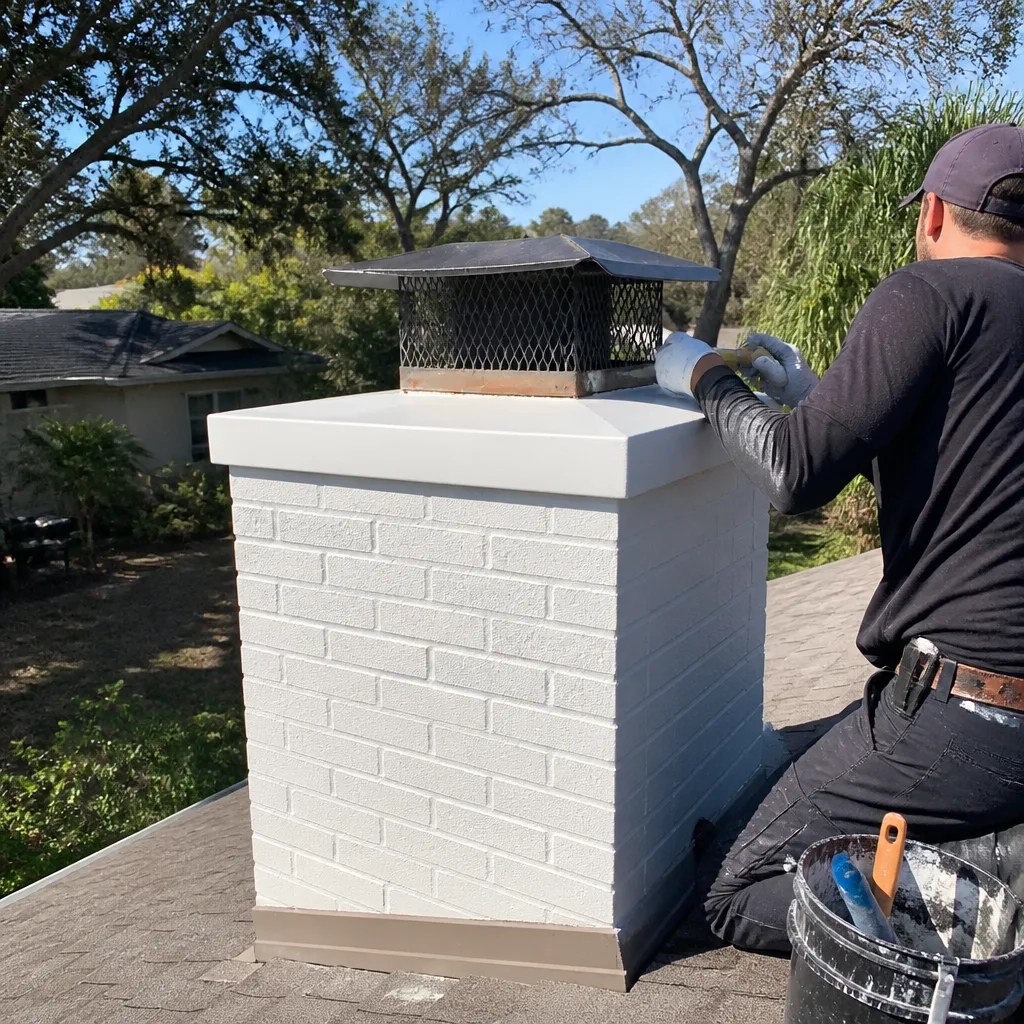
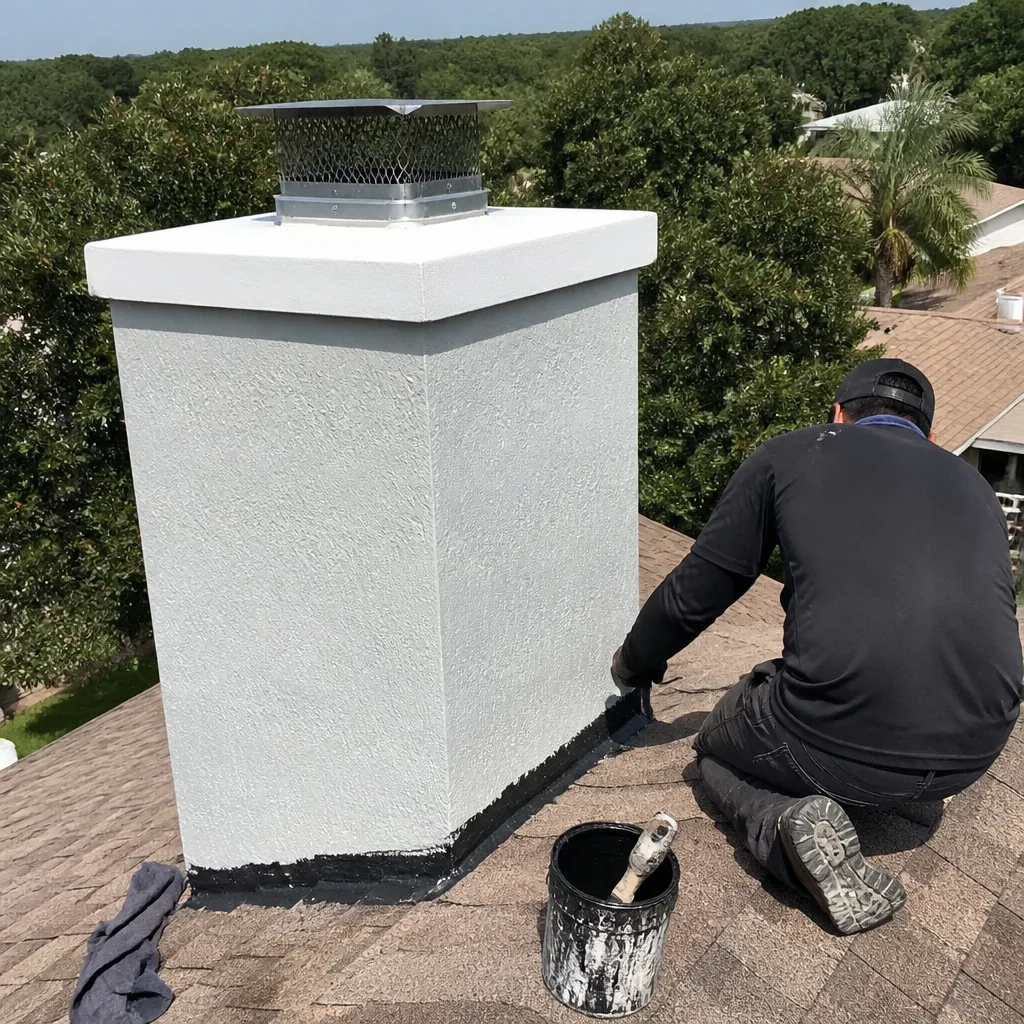
One genuinely useful artifact of a professional chimney visit is the photo documentation. This is something we do on every job because homeowners deserve to see what we saw, not just take a verbal claim on faith. But those photos serve a second purpose: they become your DIY benchmark. A flue that looks properly clean has a specific appearance. The firebrick is visible in color, not uniformly black. The clay liner tiles have visible seams. The smoke shelf (the ledge just above the damper, designed to catch debris) is clear. The damper plate is visible and moves. If our tech shows you those photos, take them as your reference library. Next winter, after your own brushing, you can compare what you see in the flue to what “actually clean” looks like. That visual knowledge is exactly what most DIYers lack. They brush, they see some soot fall, but they have no idea whether what remains is acceptable or whether they’ve left a quarter inch of glazed creosote above the firebox where it matters most. A professional visit is more than a chore done for you. It’s also, if you pay attention, a masterclass in what your specific chimney should look like when it’s right. The Relay Visibility Guarantee means every Hadley visit includes exactly this: live arrival tracking when you book, before-and-after photo documentation on every job, and a written price before anybody picks up a brush. That’s not marketing language; it’s the operating standard we built from 2003 onward. The more you build a record of those photos over years, the more intelligent your own maintenance decisions become, whether that’s DIY or professional.
Common Mistakes to Avoid
- Brushing without a prior professional inspection. Without knowing the liner, flashing, and crown are sound, you’re cleaning a system of unknown structural condition. That’s cosmetic work, not safety work.
- Using the wrong brush size or type. A brush too large can lodge in the flue, requiring a frustrating and potentially expensive extraction. A brush too small leaves the flue largely untouched. Wire brushes are for masonry flues; flexible poly brushes are for some prefab systems. Know which flue you have and size the brush accordingly.
- Skipping the roof entirely and brushing from below. This leaves the most weather-exposed parts of the chimney uninspected. In Tampa specifically, the crown and flashing are where your real problems live.
- Confusing personal comfort on the roof with safety. Walking on a low-slope shingle roof is one thing. Walking on a steep tile roof with no harness and no spotter is another. Most homeowners have no honest calibration of what their roof asks of them until they are standing on it holding extension rods. If you have any question whatsoever, do not climb. No cleaning is worth a fall.
- Skipping the dust mask because “it’s just a little soot.” Creosote is not inert dirt. It’s a complex mix of combustion byproducts, several of which are known health hazards in concentrated exposure. A P100 mask costs less than $30. Your lungs cost more.
- Doing it once and calling it done for years. Sporadic DIY brushing changes nothing about the annual inspection guidance. If you’re not committed to this as an annual task, the professional visit is a better use of your money.
- Climbing the roof without a plan for the roof itself. In Tampa, tile roofs crack under foot traffic, especially older tile. A chimney brush kit doesn’t include a roofer. Our techs are trained for exactly this surface, and we still carry the liability so you don’t have to.
When to Call a Professional
Call a professional if any of these apply: you have a gas fireplace or gas log set that has never had a dedicated gas inspection; your chimney hasn’t been professionally inspected in more than three years; you see water stains on the ceiling near the chimney, spalling brick outside, or a rusted damper; you smell something musty or animal-like from the fireplace in the summer; you’ve had a nearby lightning strike or a severe storm season; or you simply don’t want to be on your own roof with a shop vac and a brush. If any of those rings true, the visit is not a luxury. It’s the cheapest possible way to find out whether your chimney has a problem that will, left alone, become a much larger one. Chimney Repair in Tampa is our core service for solving exactly these findings, and we do work in every corner of Tampa, from Carrollwood to South Tampa to New Tampa, with the same written price and photo documentation on every job. Hadley Chimney Tampa offers free estimates across Tampa, and you can call (850) 790-3475 to schedule one. A tech will inspect, photograph, and give you a straight answer about whether you even need a sweep, a repair, or just to know that you’re fine.
Frequently Asked Questions
A standard chimney sweep and Level 1 inspection in Tampa typically runs $189 to $325, depending on the chimney type, accessibility, roof pitch, and whether additional services like a cap replacement or minor repair are needed. For a detailed Chimney Cleaning Cost Breakdown: The Tampa Homeowner’s Reference for 2026, see our pricing guide. That price is for the standard sweep plus the inspection; more complex repairs are quoted separately and in writing. Call (850) 790-3475 for a specific quote. You’ll get a written price before any work starts, every time, with no surprise charges at the door.
DIY chimney cleaning is safe only with the right roof safety approach, proper respiratory protection, correct brush sizing, and a prior professional inspection establishing that no structural problems exist. The danger isn’t the brushing itself. It’s the combination of roof fall risk, creosote inhalation, and the false confidence that follows when an untrained person believes a brushed flue equals a safe chimney. If any of those factors gives you pause, the professional visit is the safer call.
Sweep frequency in Tampa depends on actual burning volume. A wood-burning fireplace used regularly each winter should be swept annually. One used a few times a year can often go two to three years between sweeps. However, the inspection that accompanies a sweep should happen more frequently than intervals between heavy cleanings, because Tampa’s humidity and storms cause moisture damage that develops independently of how often you burn. We recommend at least an inspection every one to two years regardless of usage.
The most likely consequences in Tampa are moisture-related: cracked crowns, deteriorated flashing, rusted dampers, spalled bricks, and water-damaged ceilings. Over time, these become structural issues. In wood-burning chimneys, ignored creosote can also ignite, but that is a rarer failure here than water damage. The common theme is that small, findable problems become large, expensive ones, and neither the DIY brush nor the idle chimney prevents that. If you’re unsure of where your chimney stands, call (850) 790-3475 and we’ll tell you exactly what we find, with photos.
No. Gas fireplaces and gas log sets have venting systems, gas connections, and draft requirements that are not serviced with a standard chimney brush. Cleaning a gas vent with the wrong tools can damage the liner, and it does nothing to verify that the gas system is operating safely. This is one of the areas where DIY tools simply are not the right tools, full stop. The correct service is a professional gas fireplace inspection and service.
A standard Level 1 inspection checks the chimney crown, cap, flashing, exterior brick and mortar, flue liner condition, damper function, smoke chamber, and hearth. In a professional visit, this includes camera documentation of the flue where needed. The sweep is the cleaning portion; the inspection is the diagnostic portion. Both are included in a standard professional chimney service and neither is optional for anyone who actually wants to know their chimney’s condition.
The Bottom Line
The honest answer to the DIY-versus-professional question for Tampa homeowners is that both have a place, and place matters more than the question usually assumes. DIY brushing is a reasonable annual maintenance act for a regularly used, wood-burning fireplace that was professionally inspected within the last year. It’s a poor substitute for the inspection itself in a climate where moisture and animals are the true threats and where the most expensive problems are invisible to a brush. The smartest Tampa approach is not an either-or. It’s professional inspection on a schedule your usage and roof actually demand, with optional DIY brushing between those inspections for the right chimney. For more guides & resources on keeping your chimney safe in Florida’s climate, explore our blog. That way you’re not paying for a brush when you need an inspection, and you’re not climbing a roof with a brush when what you really need is a camera, a trained eye, and a written guarantee that comes with the work.
Written by Cory Mitchell, Owner at Hadley Chimney Tampa, serving Tampa since 2003.
See the difference
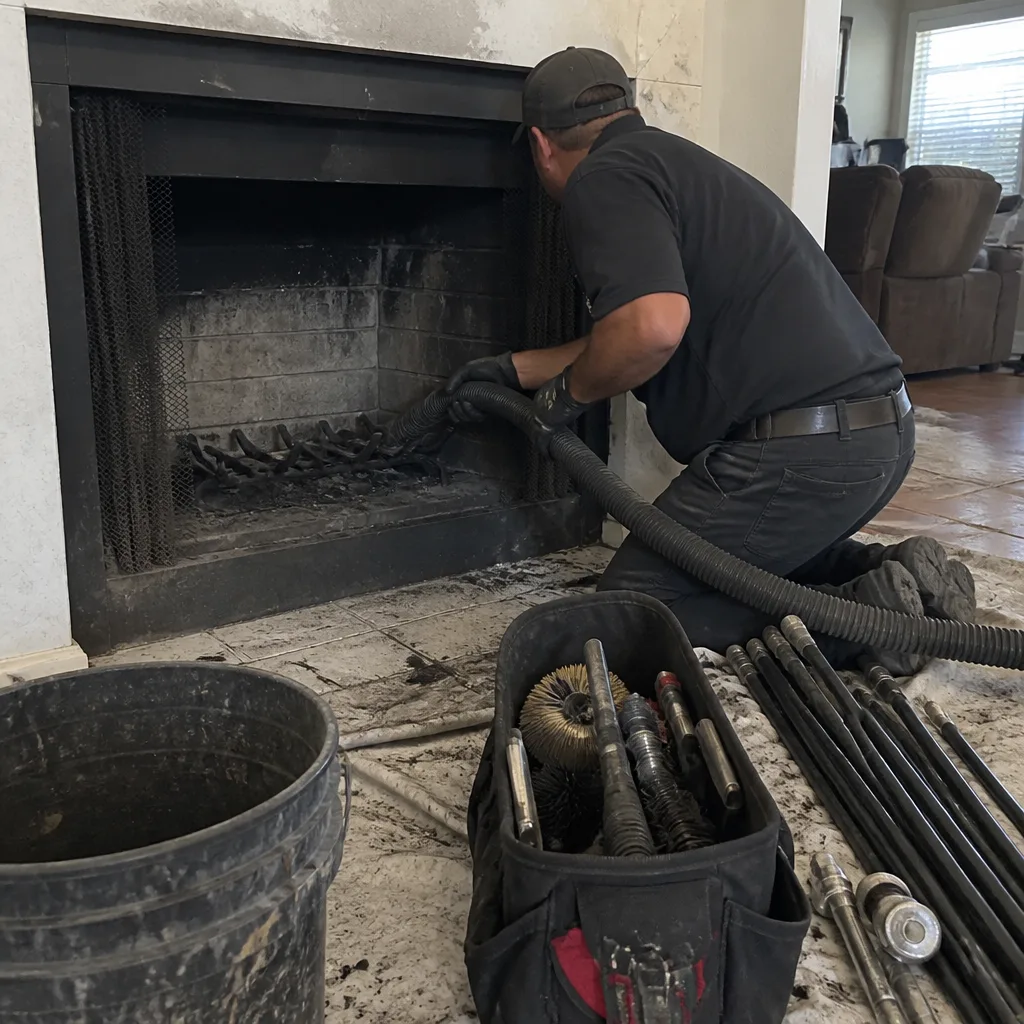 Before
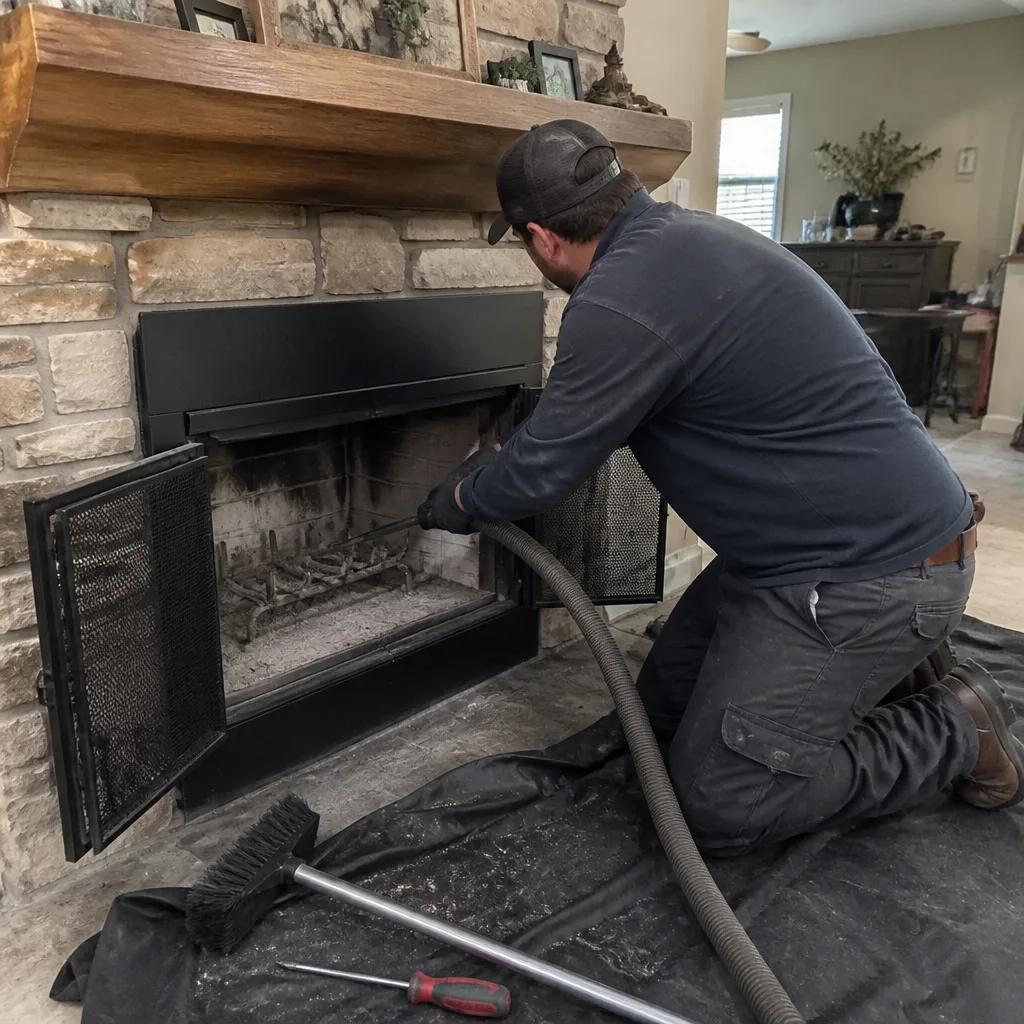 After
After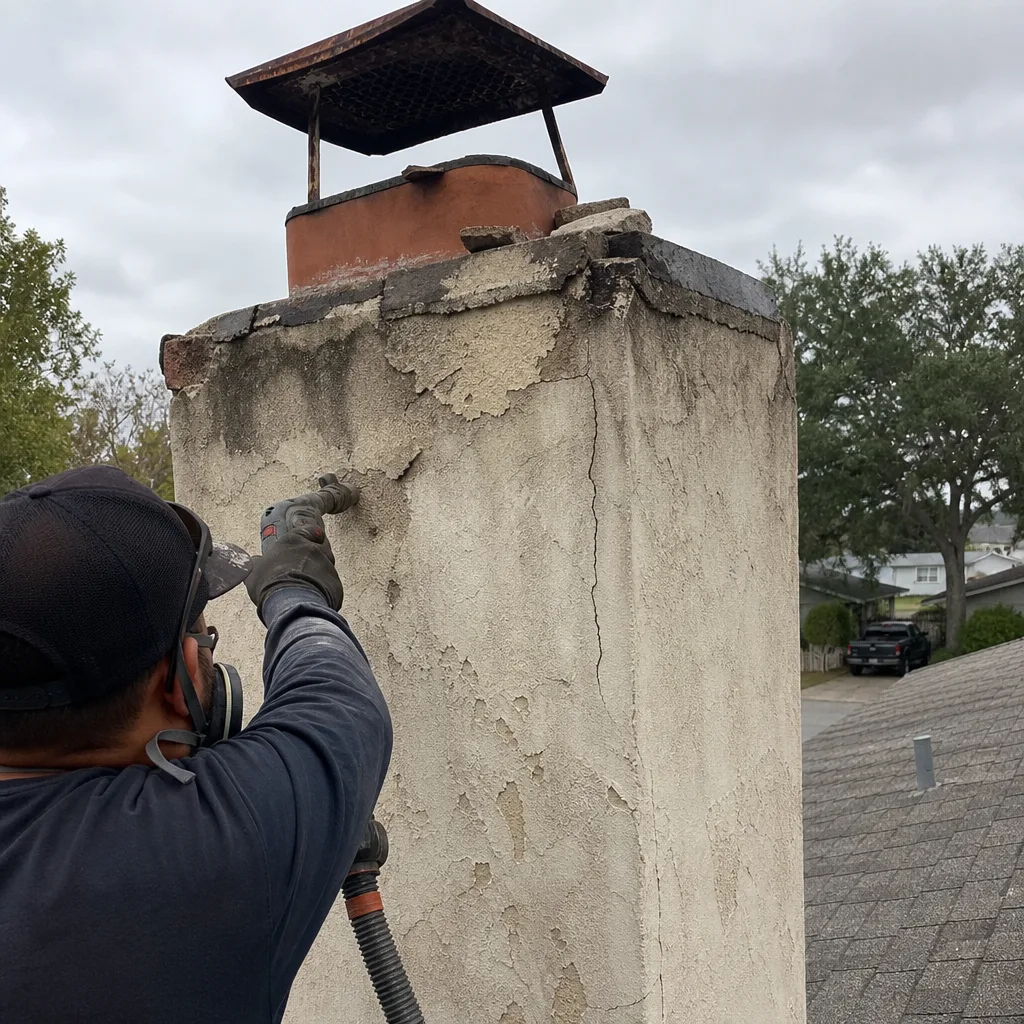 Before
 After
After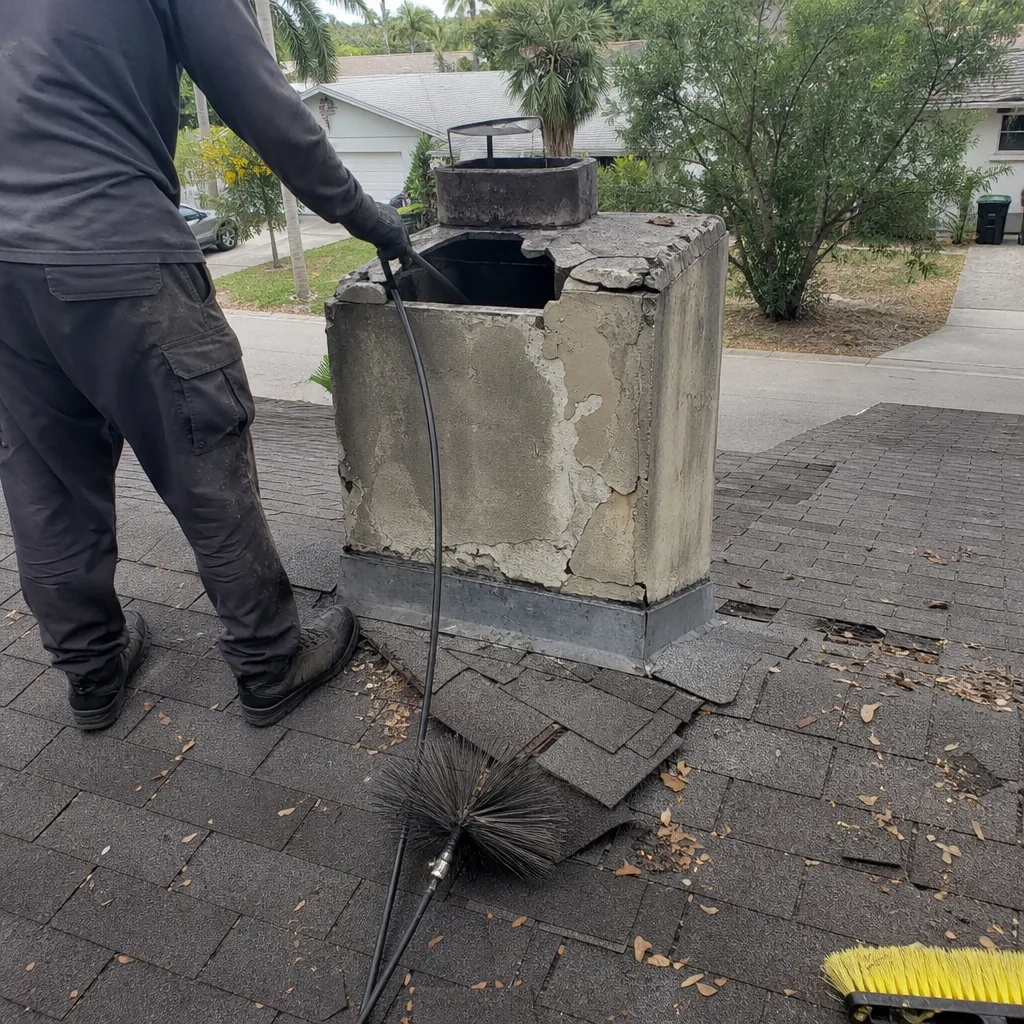 Before
 After
After