
Last updated October 15, 2026
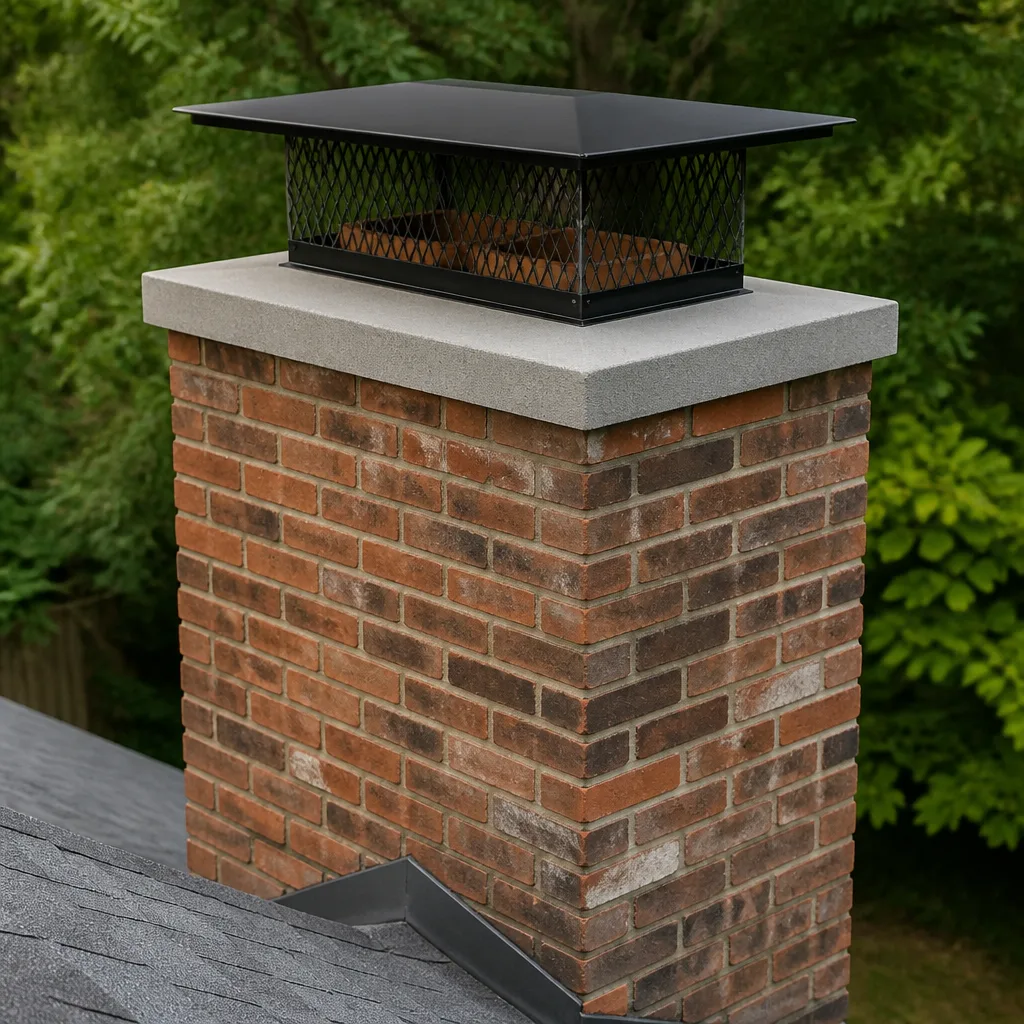 Caps & crowns
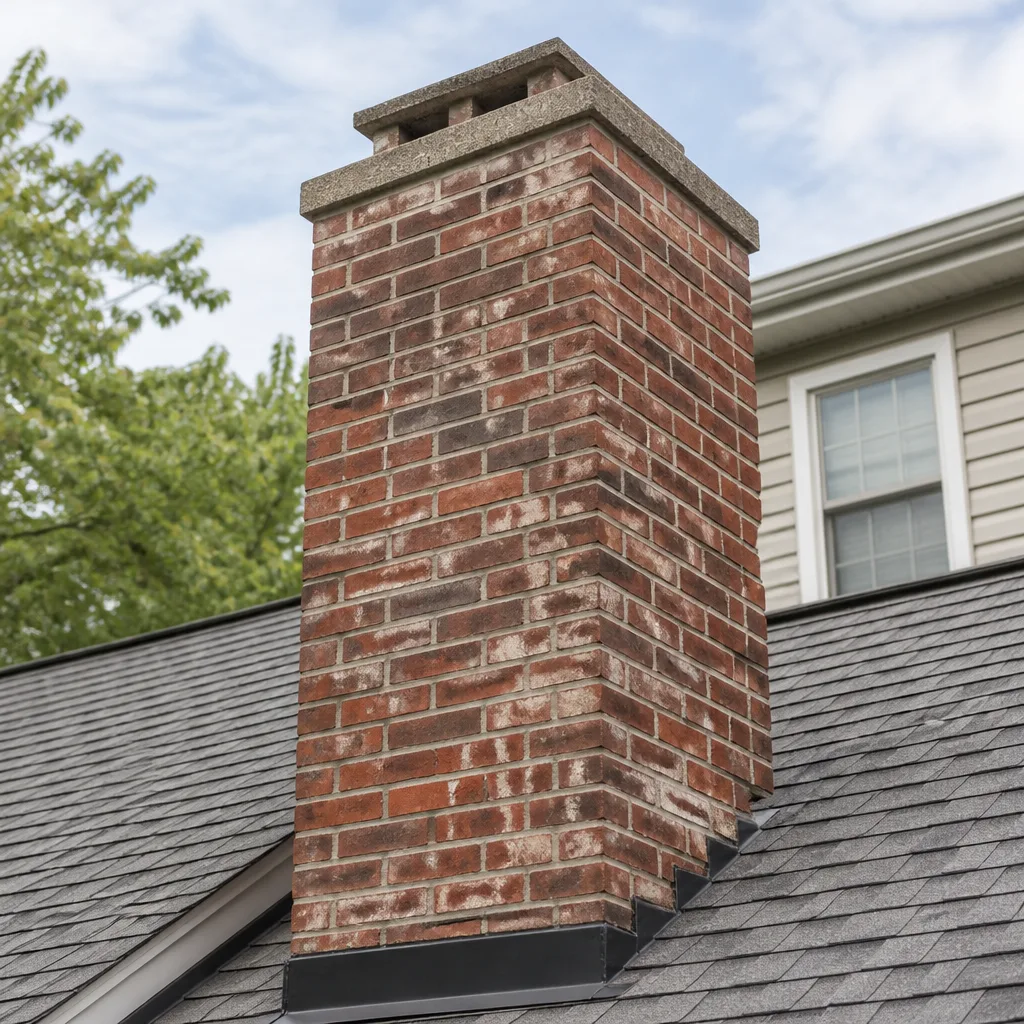 Masonry repair
Level 1 sweep and inspection to the NFPA 211 annual standard - flue, crown, cap, and flashing checked and photographed
Chimney sweep logs do not sweep chimneys. They loosen some creosote - which then falls where a brush and vacuum still have to collect it.
Seasonal Chimney Cleaning Care for Tampa: Year-Round Homeowner’s Guide
Most Tampa homeowners think about their chimney in January, when a cold snap has them reaching for the fireplace switch. But the damage that makes January’s fire unsafe happened in August, while the chimney sat closed and humid for four months straight. Tampa’s subtropical climate inverts the traditional chimney care calendar: the months that matter most aren’t the ones when you’re burning wood, they’re the long, wet stretch from May through October when your chimney sits idle and collects moisture, pests, and debris. This guide walks you through a full year of chimney care built around Tampa’s actual weather patterns, so maintenance happens when it actually protects your home.
Styles & brands we work with
Quick Answer
Seasonal chimney care in Tampa means scheduling your chimney sweep for October or November, after hurricane season ends and before the brief winter burn period, then protecting your chimney through Tampa’s humid May through October off-season. Make sure you understand Chimney Cleaning Permits, Codes & Inspections in FL: What You Need to Know before booking. The off-season causes more structural and biological damage than burning season ever will. A year-round plan with an October inspection, a simple pre-summer shutdown routine, and a post-storm cap check will prevent most costly chimney repairs in Florida’s climate.
Table of Contents
- Why Tampa’s Chimney Season Runs Backwards
- The Off-Season Damage Tampa Homeowners Miss
- Pre-Summer Shutdown: A Three-Step Protocol
- Why October, Not September, Is Tampa’s Sweep Month
- How Tampa’s Cold Snaps Affect Creosote Buildup
- Tampa Landscaping and Your Chimney Cap
- What a Tampa Chimney Sweep Actually Costs
- Common Mistakes to Avoid
- When to Call a Professional
- Frequently Asked Questions
- The Bottom Line
Why Tampa’s Chimney Season Runs Backwards
In Minnesota or Michigan, chimney maintenance follows a logical pattern: burn all winter, sweep in spring, forget about it until fall. In Tampa, that calendar will fail you. The overwhelming majority of chimney damage we see in Tampa doesn’t come from fire at all. It comes from moisture, humidity, insects, and nesting birds that move in during the months when the fireplace is nothing but a forgotten cavity in the wall.
From May through October, Tampa’s relative humidity sits between 70 and 90 percent almost daily. That moisture-laden air moves through your chimney constantly, even with the damper closed. The mortar joints inside your flue absorb that dampness. The metal components, the damper plate, the firebox grate, all sit in a warm, wet microclimate that accelerates rust and mortar deterioration. Then there’s the thermal cycling: Tampa’s summer afternoons hit 90-plus degrees while nighttime temps drop into the 70s. That daily expansion and contraction works on chimney masonry the same way it works on asphalt and concrete, slowly widening hairline cracks.
The result: a fireplace that was perfectly safe when you last used it in February may have developed flue damage by the time you reach for the switch again in November. In our experience at Hadley Chimney Tampa, we’ve seen chimneys with less than a decade of light use develop spalling, which is the technical term for brick faces flaking off, purely from humidity exposure that was never addressed. Tampa homeowners who understand this inverted calendar are the ones who avoid emergency repairs.
This pattern is why we built our Chimney Sweep in Tampa service schedule around the subtropical calendar, not a generic national checklist.
The Off-Season Damage Tampa Homeowners Miss
The idle months create three distinct threats in Tampa that northern chimney guides never mention. Each one operates silently, and by the time a homeowner notices the chimney cleaning warning signs, repair costs have already climbed.
Condensation Cycling
Here’s the mechanism. Your chimney, even with the damper closed and capped, is a vertical shaft connecting the hot, humid outside air to the cooler, air-conditioned interior of your Tampa home. When warm, moist air meets the temperature boundary where your AC-cooled living space begins, condensation forms on the interior flue walls. Think of it as the chimney equivalent of a cold glass of sweet tea sweating on a July afternoon. That moisture collects on creosote deposits left over from the previous winter’s fires. Creosote is the flammable tar buildup that makes chimneys a fire risk, and when it gets wet, it doesn’t just wash away. It becomes more corrosive, eating into the flue liner and creating a chemical reaction that accelerates deterioration. Over the course of a single Tampa summer, this cycle can repeat hundreds of times.
Palmetto Bugs and Other Pests
Tampa residents know palmetto bugs, those large flying roaches that thrive in Florida’s heat and moisture. A chimney with a damaged or missing cap is a perfect palmetto bug habitat. It’s dark, it’s humid, it’s protected from predators, and it offers a direct route into your living room. Beyond palmetto bugs, Tampa chimneys attract wasps building nests in the smoke shelf area, spiders throughout the flue, and even tree frogs seeking cool, damp shelter. When these insects die inside the flue, their bodies decompose and create blockages that restrict draft. We’ve opened dampers in South Tampa homes and found insect debris inches thick above the firebox. The fix is a properly fitted chimney cap with mesh screening, which is one of the most cost-effective chimney protections available in Florida.
Chimney Swift Nesting Season
This one is specific and legally protected. Chimney swifts, small migratory birds that nest in vertical shafts, arrive in Florida each spring. Their nesting season runs roughly March through August. Federal law under the Migratory Bird Treaty Act protects chimney swifts, which means if they nest in your chimney during summer, you cannot remove them, disturb the nest, or block the chimney until the young have fledged. We receive calls every May from Tampa homeowners who hear chirping in their fireplace and want the birds removed immediately. Legally and ethically, the answer is: you wait until they leave on their own. What you can do is prevent them from nesting in the first place by ensuring your chimney cap has intact, properly sized mesh during the late winter or early spring, before the swifts arrive. A proper cap from a brand like Copperfield, installed correctly, keeps swifts out while still allowing proper draft.
Pre-Summer Shutdown: A Three-Step Protocol
Before you close the damper for Tampa’s long hot season, take these three steps. They’re simple, they take less than an hour total, and they prevent the majority of off-season damage we see at Hadley.
- Schedule a sweep if you burned more than 10 fires over the winter. Even light seasonal use in Tampa creates creosote deposits. Leaving those deposits to sit through a humid summer accelerates flue deterioration. A quick sweep costs far less than a liner repair down the road. If you burned only a handful of fires, move on to step two.
- Inspect your chimney cap from the ground using binoculars or a phone camera. Check for rust, missing mesh sections, or a cap that’s shifted out of position. A damaged cap in April means palmetto bugs, chimney swifts, and rainwater all summer long. If you see damage, get it replaced before May. Brands like Copperfield make stainless caps sized for Tampa’s common flue dimensions, and a proper fit matters more than most homeowners realize.
- Clean out the firebox and vacuum around the damper plate. Remove ash completely. Ash is hygroscopic, meaning it absorbs moisture from the air. A pile of ash sitting in the firebox all summer becomes a damp, acidic paste that corrodes the firebox floor and metal components. Wipe the damper plate with a dry cloth and make sure it closes fully. Leave it closed unless you have a top-sealing damper, in which case follow the manufacturer’s position guidance.
These three steps take one afternoon and protect your chimney through the most damaging months of Tampa’s calendar. If any step reveals a problem, the Chimney Repair in Tampa team handles everything from cap replacement to full flue repair, with a written price before any work starts.
Why October, Not September, Is Tampa’s Sweep Month
Most national chimney companies push “fall cleaning” starting in September. For Tampa, that’s premature. September is still hurricane season, and scheduling a full sweep and inspection before the peak storm month is an inefficient use of your money. Here’s the October logic.
Atlantic hurricane season officially runs June 1 through November 30, but Tampa’s historical peak activity lands in September and early October. High winds, heavy rain, and flying debris from palm trees and oaks all stress your chimney cap, flashing, and crown. If you sweep on September 1 and a tropical storm blows through on September 20, you’ll need another inspection to verify the chimney is still sound. Sweep once, after the serious storm risk has passed, and you get one clean verification before the burn season begins.
October also aligns with Tampa’s actual usage pattern. The first real cold snap rarely arrives before late November or December. Sweeping in early October gives you a six-to-eight-week buffer, plenty of time to complete any repairs identified during the inspection. This timing matters because heat-curing repairs like HeatShield ceramic flue restoration require dry weather to fully set. October in Tampa is typically drier than September, which means a better bond and a longer-lasting repair.
We also recommend October for the practical reason that scheduling is more flexible. Our crews at Hadley Chimney Tampa are less backlogged in October than they are in December, when every Tampa homeowner suddenly remembers their fireplace exists. Booking early means you get a wider choice of appointment windows, and our technicians arrive in a tracked time window with live arrival updates through the Relay Visibility Guarantee, rather than a four-hour guessing game.
How Tampa’s Cold Snaps Affect Creosote Buildup
Tampa doesn’t do winter the way Chicago or Boston does, but the brief cold snaps between December and February are real, and they create a distinct fireplace usage pattern that affects creosote accumulation differently than sustained northern burning.
Here’s the pattern we see in Tampa every year: temperatures drop for three to five days, homeowners use the fireplace heavily during that window, then temperatures rebound into the 60s or 70s and the fireplace sits idle for two or three weeks until the next front arrives. This intermittent, short-burst usage means the flue rarely reaches and maintains the high temperatures that bake off lighter creosote deposits. Each fire’s initial cool-burn phase deposits creosote that never gets a follow-up hot burn to clear it away.
Creosote forms in stages. Stage one is a light, dusty soot that’s easy to remove with a standard sweep. Stage two is a granular, flaky crust that requires more aggressive brushing. Stage three is a glossy, tar-like glaze that’s chemically bonded to the flue walls and requires chemical treatment or mechanical removal. Tampa’s cold-snap usage pattern tends to produce stage two deposits more quickly than the math would suggest because every fire starts with a cold flue. The first 20 to 30 minutes of any fire in a cold chimney produces the most creosote smoke, and Tampa fireplaces get far more “first 30 minutes” per season than Vermont ones, relative to total burn time.
The practical takeaway: even if you only used the fireplace a dozen times last January and February, treat creosote accumulation as if you burned substantially more. An annual sweep that includes a creosote stage assessment keeps things predictable. If the assessment finds stage two or three glaze, we discuss treatment options, which may include HeatShield or a professional-grade chemical cleanser, before moving forward. Nothing is ever recommended without a camera inspection and photos you can see for yourself.
Tampa Landscaping and Your Chimney Cap
Tampa’s tree canopy is one of the city’s best features, and one of its chimney’s biggest threats. The combination of live oaks, Spanish moss, and palm trees creates debris loads that northern chimney guides never account for.
Live oak pollen season in Tampa runs February through April, and the pollen grains are small enough to pass through standard chimney cap mesh. They accumulate inside the flue as a fine, sticky coating that bonds with moisture and creosote. Spanish moss, which hangs from Tampa’s oak branches year-round, sheds constantly. In high winds, small moss fragments end up on the chimney crown and cap, where they trap moisture against the metal and masonry. Palm fronds are the biggest single-piece hazard. A falling palm frond, especially from a tall queen or Washingtonia palm, can strike a chimney cap with enough force to dent it, crack the mesh, or knock it entirely out of position.
After any Tampa storm season, whether it’s a named hurricane or a summer thunderstorm with 50-mph gusts, check your chimney cap from the ground. Look for visible dents, shifted positioning, accumulated debris on the cap surface, or missing mesh sections. If you can’t get a clear view or you’re not comfortable climbing onto the roof (and steep-pitch tiles common in Tampa neighborhoods like Palma Ceia and Hyde Park make roof work genuinely dangerous), a professional inspection with photo documentation is the safer route. We’ve replaced more chimney caps damaged by palm fronds than by any other single cause in the Tampa area. A quality stainless cap from Copperfield or a similar brand, properly sized and installed, typically lasts 10 to 15 years in Tampa’s climate before showing significant wear.
One more landscaping factor: if you have large trees within 20 feet of your chimney, consider scheduling a cap and crown visual check after major pruning or tree removal work. Falling branches from tree work often go unnoticed when they land on a chimney, but even a glancing strike can crack the crown, which is the concrete slab that seals the top of the chimney. Crown cracks let water into the masonry, and in Tampa’s climate, that water causes frost-free, humidity-driven erosion year-round.
What a Tampa Chimney Sweep Actually Costs
Tampa homeowners deserve real numbers before they pick up the phone. For a detailed look at what to expect, see our Chimney Cleaning Cost Breakdown: The Tampa Homeowner’s Reference for 2026. Here’s what chimney service pricing looks like in the Tampa market, based on what we quote at Hadley and what we see from other licensed local providers.
- Standard chimney sweep and inspection: $180 to $340, depending on chimney type, height, and creosote condition. This typically includes the firebox, smoke shelf, flue, damper, and cap inspection, plus a written condition report.
- Sweep plus camera inspection: $250 to $450. The camera adds a visual record of the flue interior, which is especially valuable in Tampa’s humid climate where hidden liner damage is common.
- Chimney cap replacement (parts and labor): $250 to $600, depending on flue size and material. Stainless caps last longer than galvanized in Tampa’s humidity.
- Crown repair (cracked concrete top): $350 to $900, depending on crack extent and whether full resurfacing is needed.
- Flashing repair (the metal seal where the chimney meets the roof): $300 to $800, depending on accessibility and roof type.
- Stainless steel liner installation: $2,500 to $5,500, depending on chimney height, flue size, and whether the old liner requires removal. Liner work uses materials from brands like DuraFlex, which are built specifically for flue environments.
Every quote from Hadley Chimney Tampa includes a written price before any work starts. No surprise charges at the door, no “discovery” add-ons after the technician is already on the roof. If a repair is recommended, you’ll see the camera evidence and receive a written price before you decide anything. That’s the standard we hold, and it’s backed by our Hadley Chimney Tampa home service commitments, including the 365-Day Done Right Promise on every repair.
Common Mistakes to Avoid
- Assuming no fires means no maintenance. In Tampa, the idle months do more damage than the burn months. Moisture, pests, and humidity-driven masonry wear continue whether or not you use the fireplace. A chimney that hasn’t been inspected in years but was never “used” may still have serious flue damage.
- Closing the damper and forgetting the cap. A closed damper doesn’t stop moisture from entering the flue from the top. The cap is your first line of defense against rain, palm fronds, palmetto bugs, and chimney swifts. If the cap is compromised, the damper is just a cork at the bottom of a leaking pipe.
- Sweeping in September because “fall is chimney season.” Tampa’s real sweep window starts in October, after the peak hurricane threat passes. Sweeping in early September means you’ll likely need another inspection after the first major storm.
- Using a wood-burning fireplace without checking flue condition first. A flue with creosote glaze from last season’s cold snaps, plus a summer of humidity absorption, is a fire risk in the making. The fact that it worked last year doesn’t mean it’s safe this year.
- Ignoring chimney swifts because “they’ll go away.” Yes, they will eventually leave, but nesting swifts mean your chimney cap mesh is compromised, and next year’s swifts will return unless the cap is repaired after they migrate in the fall. Let them fledge, then fix the cap.
- Trusting a verbal quote with no documentation. Chimney work has historically been a trade where prices shift after the tech arrives. A written price before work starts is non-negotiable. If a company won’t put it in writing, that’s a signal to keep looking.
- Forgetting that gas fireplaces need seasonal checks too. Gas fireplace users often assume no wood means no maintenance. But gas logs still produce soot, and chimney interiors still get inspected for blockages and moisture damage. The Gas Fireplace Repair in Tampa service includes seasonal safety checks that catch issues before they become gas-line problems.
When to Call a Professional
Some chimney issues are visible and obvious: water dripping into the firebox after rain, white staining called efflorescence on the masonry face, a damper that won’t fully close, or the smell of stale smoke and humid air backing up into the living room during summer months. These are clear signals that moisture has penetrated the flue system and needs professional evaluation. Other warning signs are subtler: a faint chirping sound from above the damper in spring, visible rust on the damper plate, or brick faces that flake off when touched. If you hear or see any of these, don’t wait. Chimney damage compounds quickly in Tampa’s climate. Hadley Chimney Tampa offers free estimates in Tampa, call (850) 790-3475. Every job starts with a camera inspection, and you’ll receive before-and-after photos plus a written price before any brush is picked up.
Frequently Asked Questions
Chimney sweeps in Tampa should happen annually, even if you only use the fireplace a dozen times each winter. Tampa’s humidity accelerates creosote deterioration during the off-season, and an annual October sweep catches both creosote buildup and moisture damage before burn season. Homes that burn more than 20 fires per season may need a second sweep mid-winter. Call (850) 790-3475 to schedule your annual sweep and get a written estimate before anything starts.
Usage frequency affects creosote accumulation, but liner damage in Tampa comes primarily from moisture and humidity, not heat. A clay tile liner with cracks from condensation cycling becomes a fire risk and a moisture pathway even in a fireplace that’s only lit a few times each year. The honest answer is that some liners genuinely need replacement and some can wait, and the only way to know is a camera inspection showing the actual flue condition. At Hadley, we’ll show you the footage and explain whether a repair like a HeatShield application can fix it or if a DuraFlex stainless liner makes more sense long-term.
Skipped maintenance in Tampa leads to a predictable progression: the cap rusts and loosens, moisture enters the flue, creosote from prior fires becomes corrosive, the mortar joints begin to degrade, and eventually the flue liner cracks. By the time you notice a problem, such as water in the firebox or crumbling brick face, the repair is substantially more expensive than the annual sweep and cap check would have been. Florida’s humidity makes this progression faster than in dry climates. Scheduling a sweep today costs $180 to $340, while a full liner replacement runs $2,500 to $5,500. The math favors the annual visit.
No, chimney swifts cannot be legally removed during nesting season. The Migratory Bird Treaty Act protects them from March through August. If you hear chirping in your chimney during nesting months, the only legal option is to wait until the young fledge, then have the chimney swept and the cap repaired to prevent re-entry next year. The right time for cap repair is fall, after the birds have migrated but before burn season begins. This timing fits perfectly with Tampa’s October sweep recommendation.
A properly functioning chimney cap sits level on the flue, has intact mesh screens without rust holes or gaps, shows no signs of denting from debris, and allows smoke to exit freely while keeping rain, palm fronds, and insects out. From the ground, you should see a cap that’s centered and undamaged. If you can see daylight through the mesh, it’s compromised. A professional inspection with close-up photos is the most reliable way to verify cap condition in Tampa, where oak pollen and Spanish moss accumulation can hide damage.
Yes, gas fireplaces in Tampa still benefit from annual inspection and light maintenance. Gas logs produce soot that coats the flue interior, debris can enter through a damaged cap, and the gas connection and burner system should be checked for leaks and proper combustion. Additionally, gas fireplace flues accumulate the same moisture-related damage as wood-burning chimneys during Tampa’s humid months. A seasonal check is a low-cost way to confirm the system is safe to operate, and Hadley’s gas fireplace technicians include this service as part of every gas fireplace appointment.
The Bottom Line
Tampa’s chimney calendar runs opposite from the national norm. The months when your fireplace sits idle, May through October, are when the most damage occurs, driven by humidity, condensation cycling, palmetto bugs, and chimney swift nesting. For year-round guidance, explore our more guides & resources. The most important maintenance action is annual: an October sweep, after hurricane season and before burn season, with a camera inspection and written condition report. The second most important action is simple: a pre-summer shutdown protocol that includes a cap check, firebox cleanup, and creosote assessment. Working with a company that documents everything in photos and puts prices in writing changes the entire chimney service experience. That’s what we built Hadley Chimney Tampa around, and it’s why Tampa homeowners call us back year after year.
Written by Cory Mitchell, Owner at Hadley Chimney Tampa, serving Tampa since 2003.
See the difference
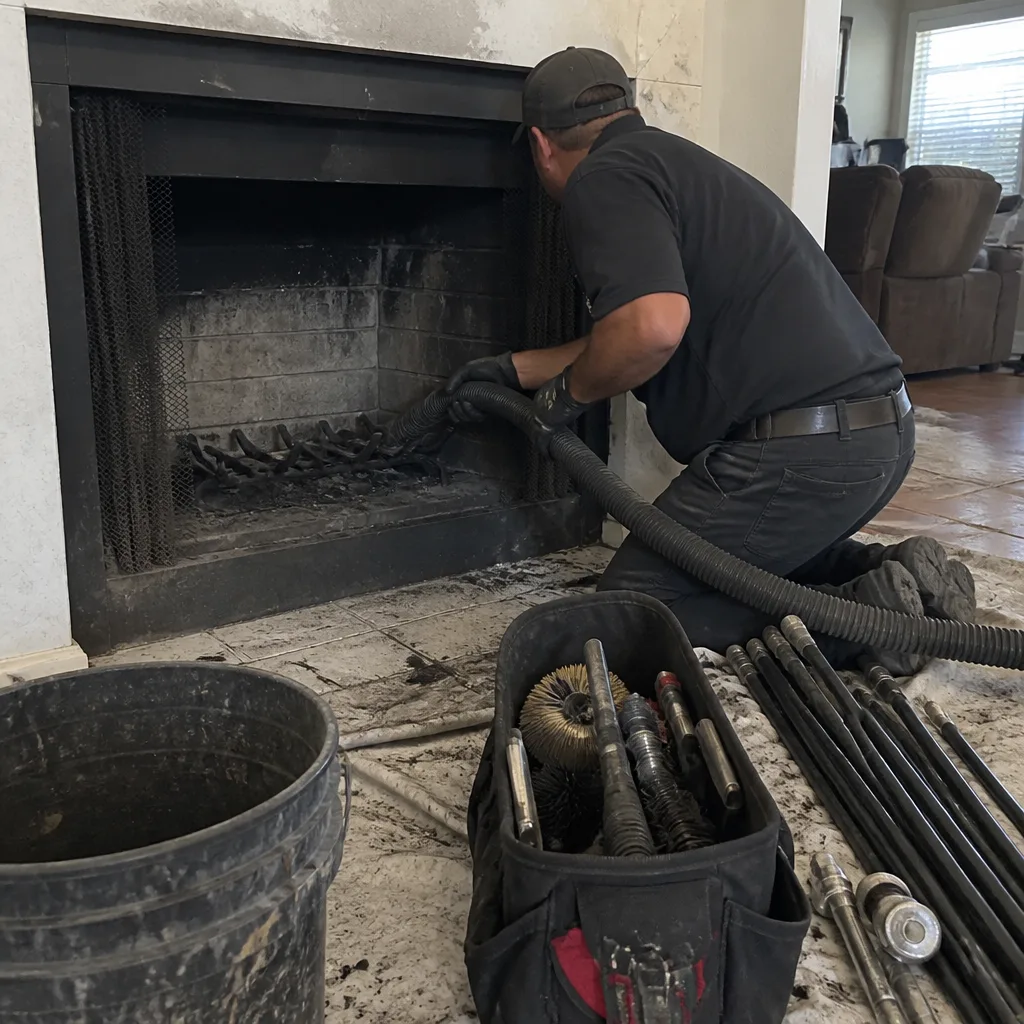 Before
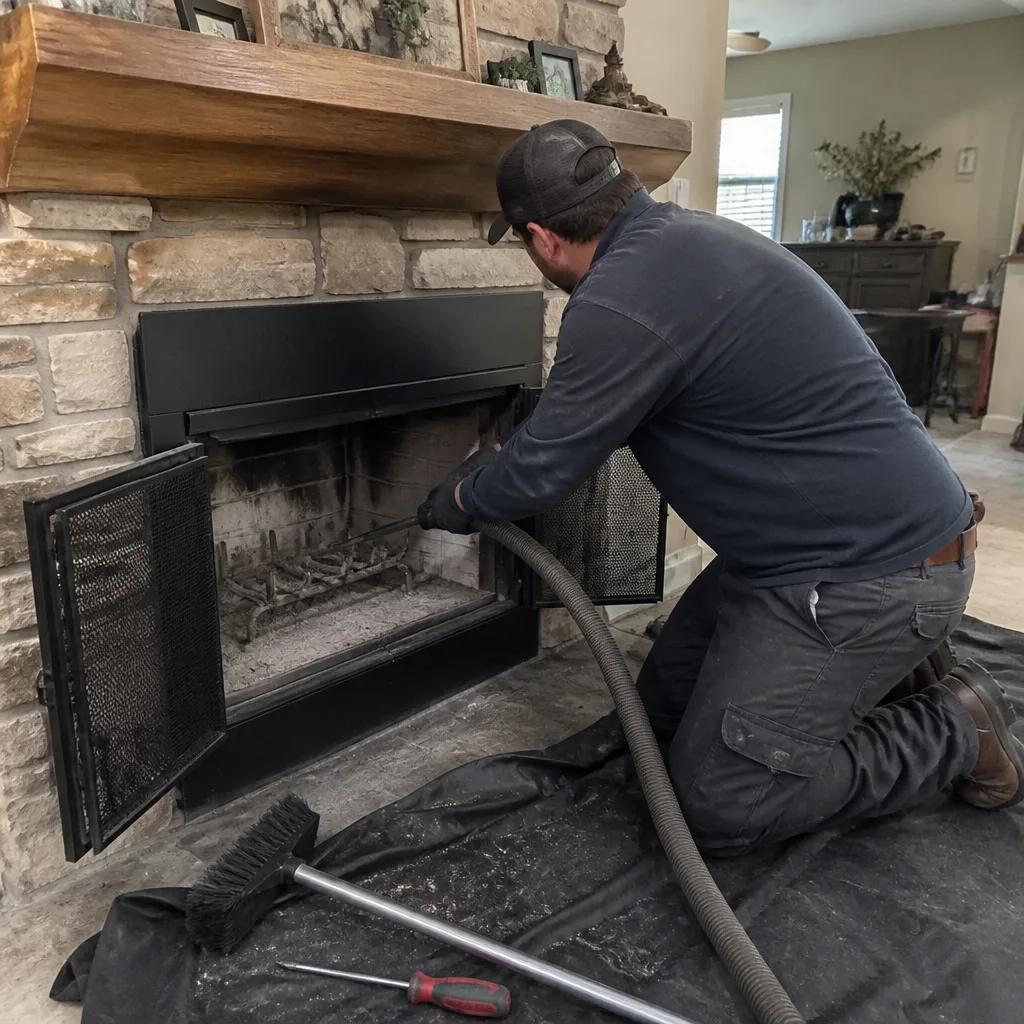 After
After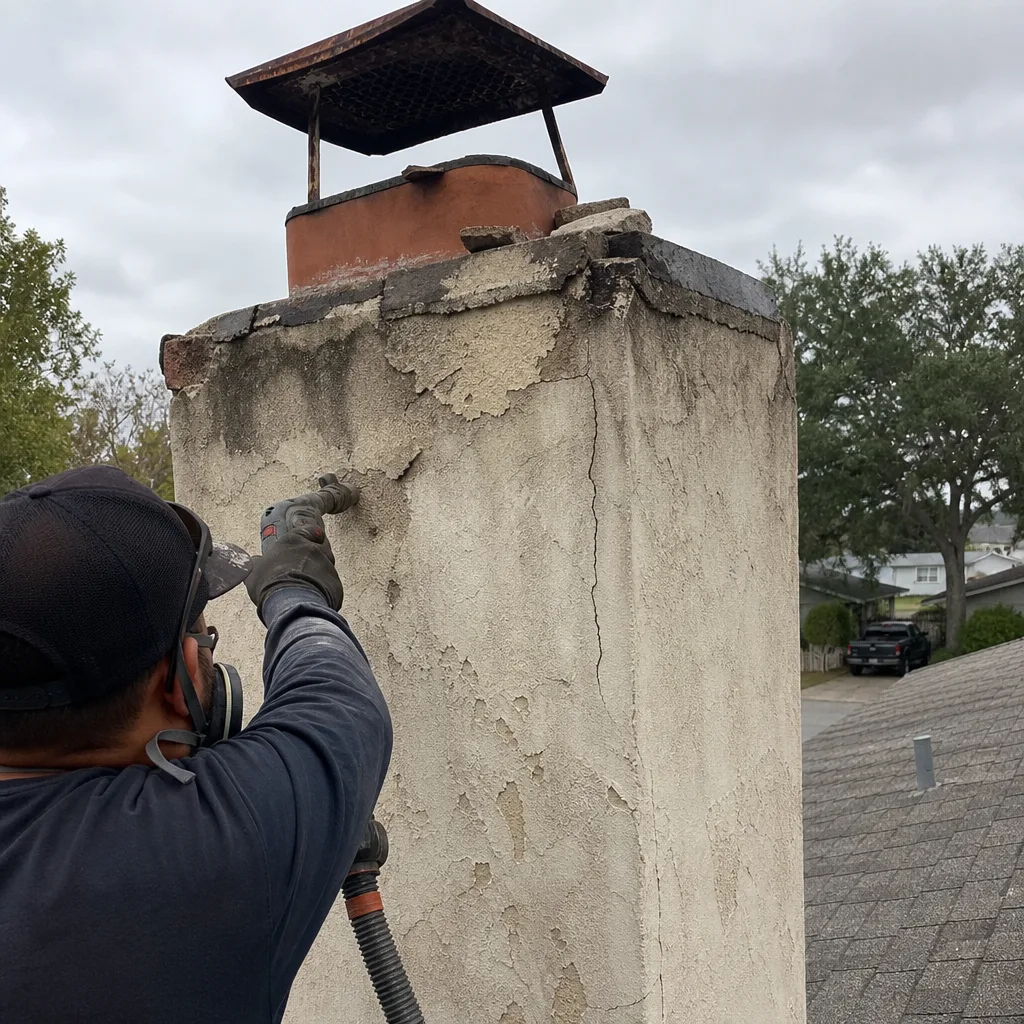 Before
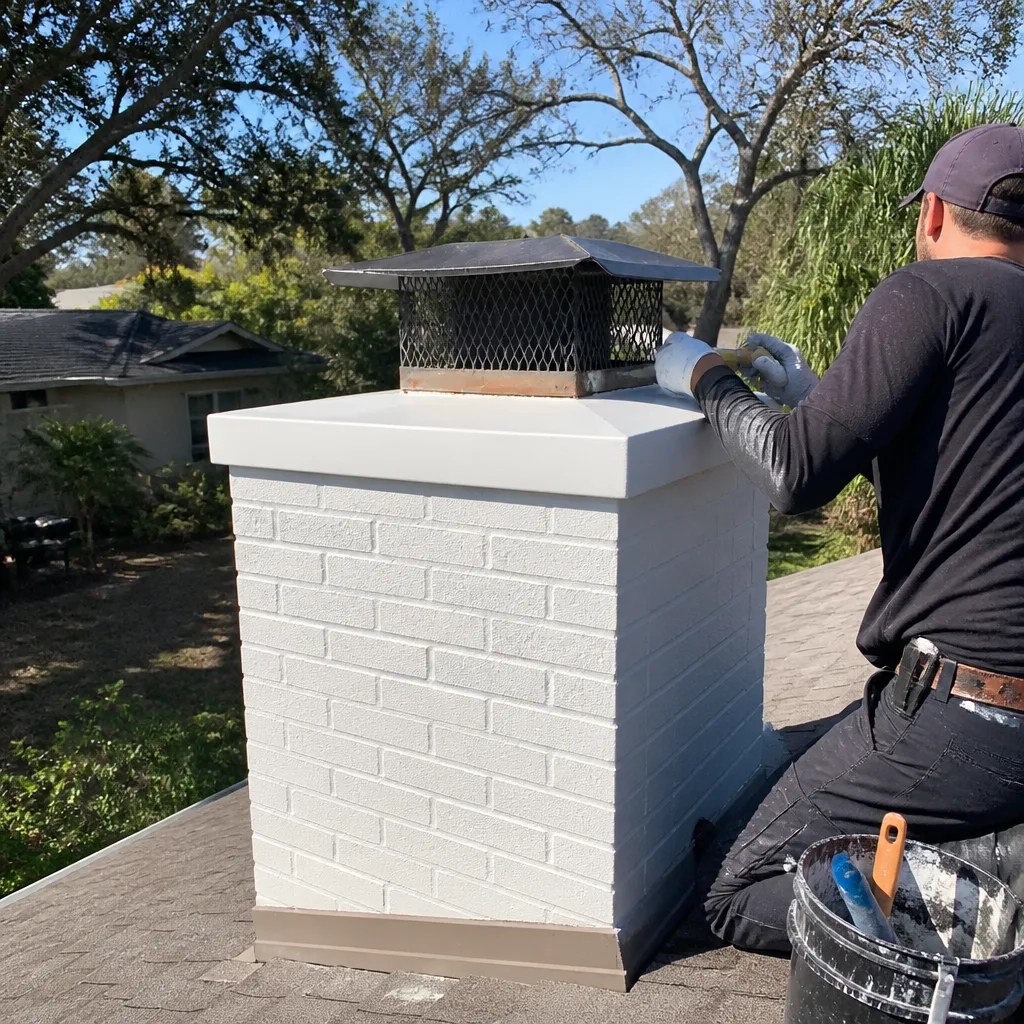 After
After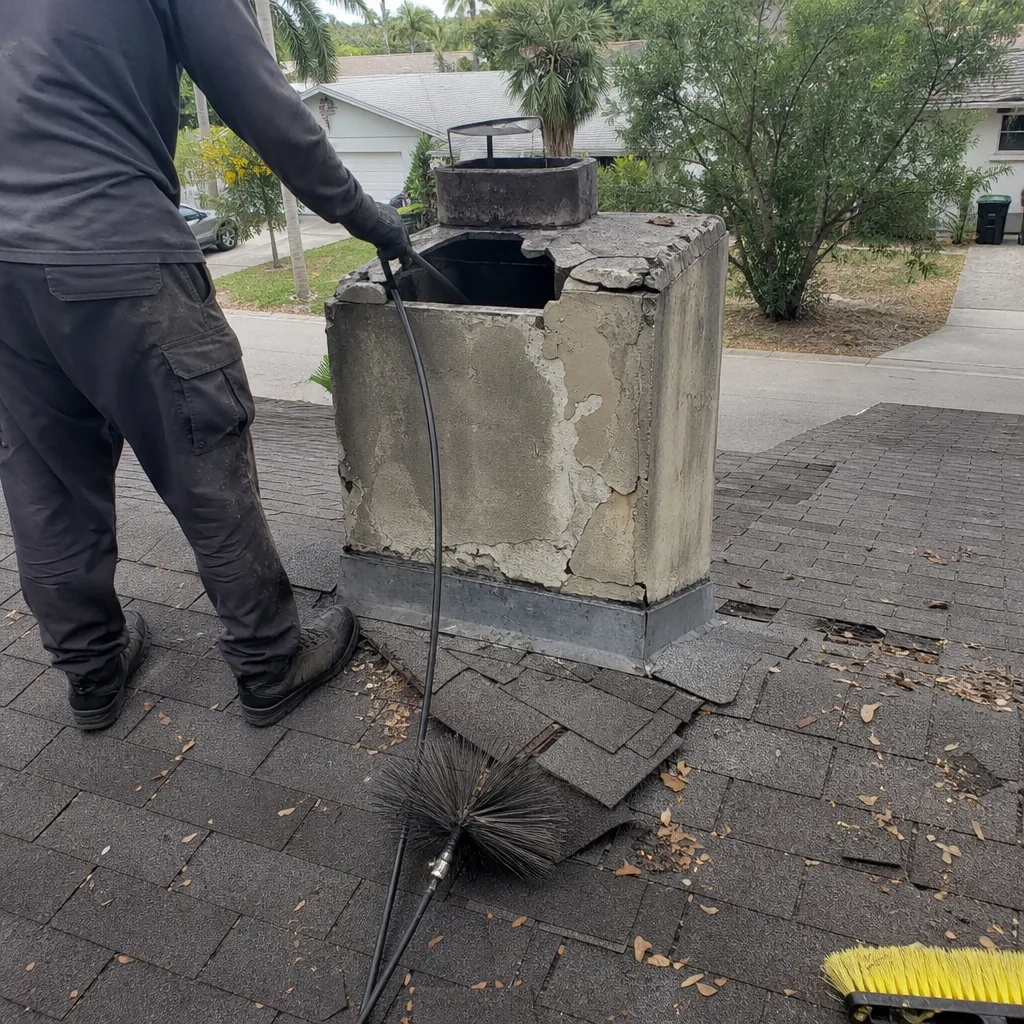 Before
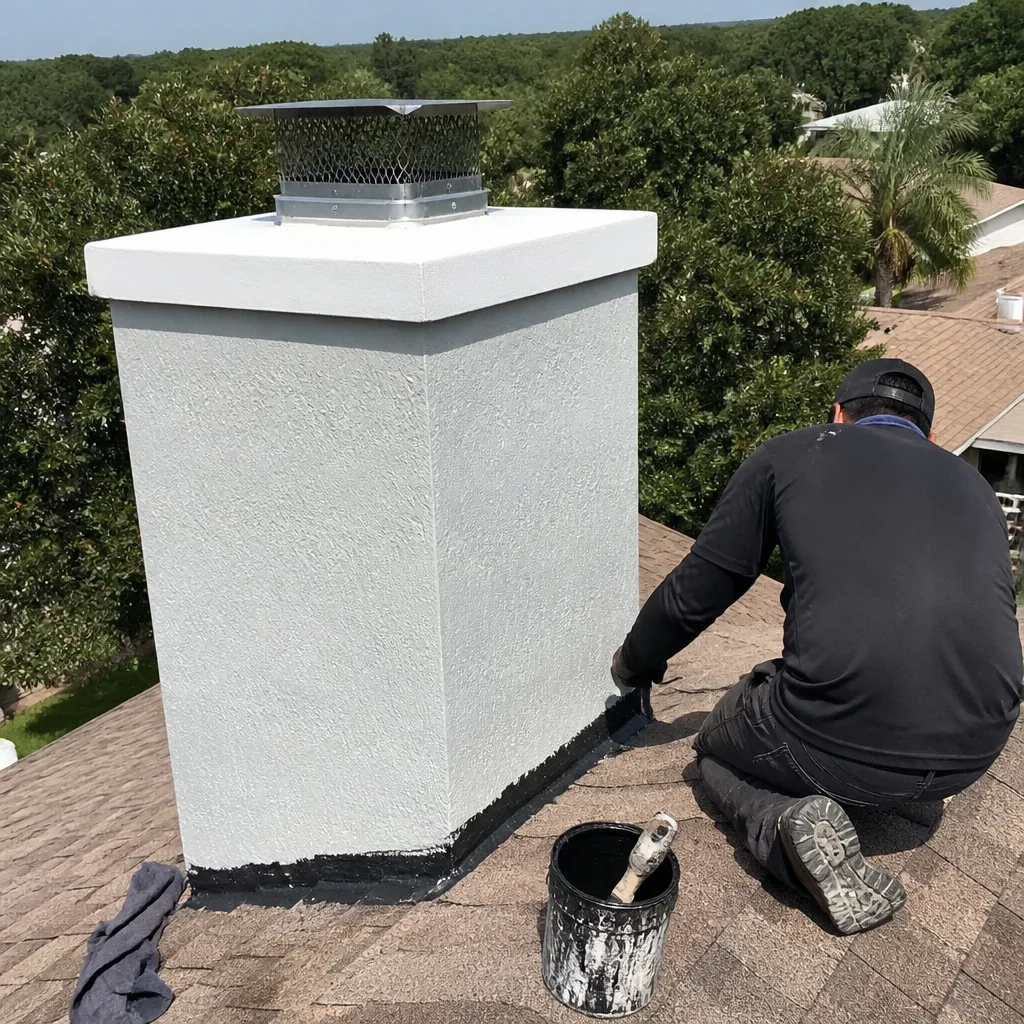 After
After