
Last updated October 15, 2026
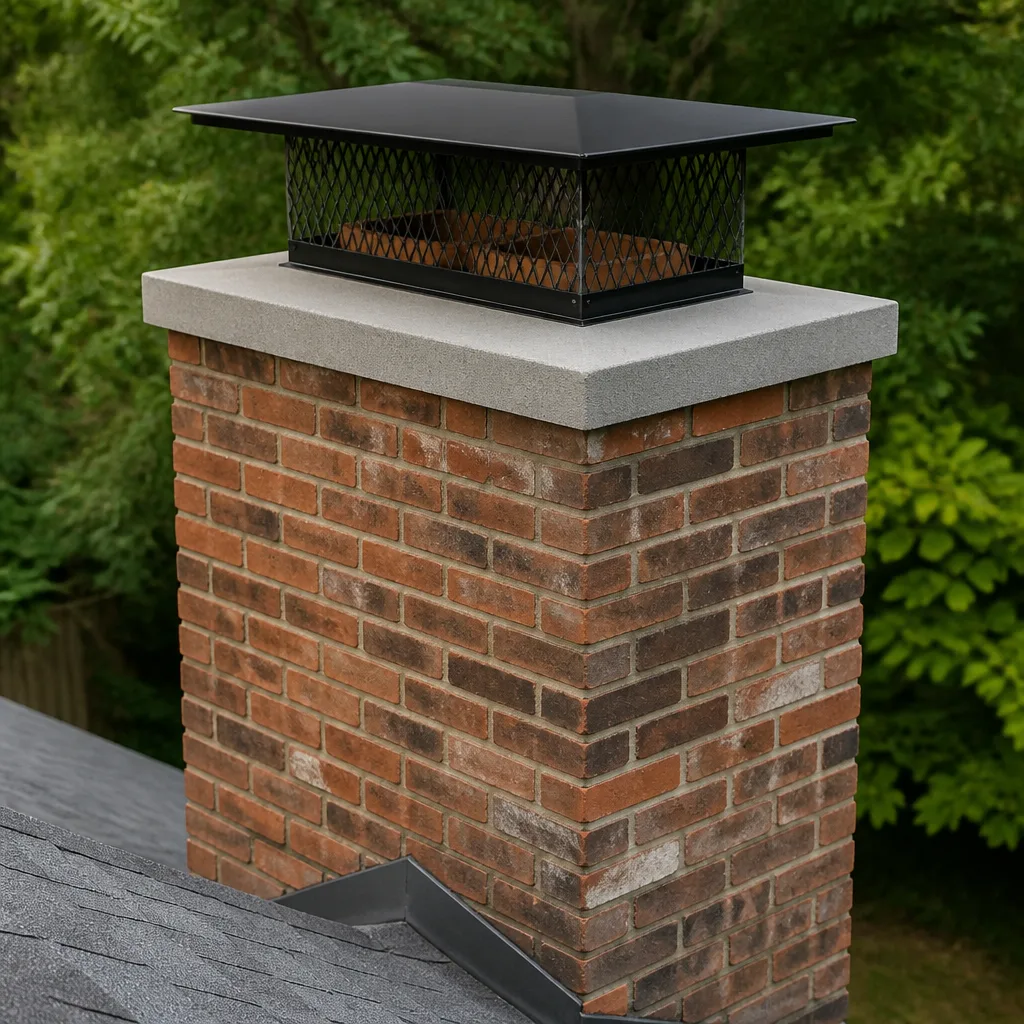 Caps & crowns
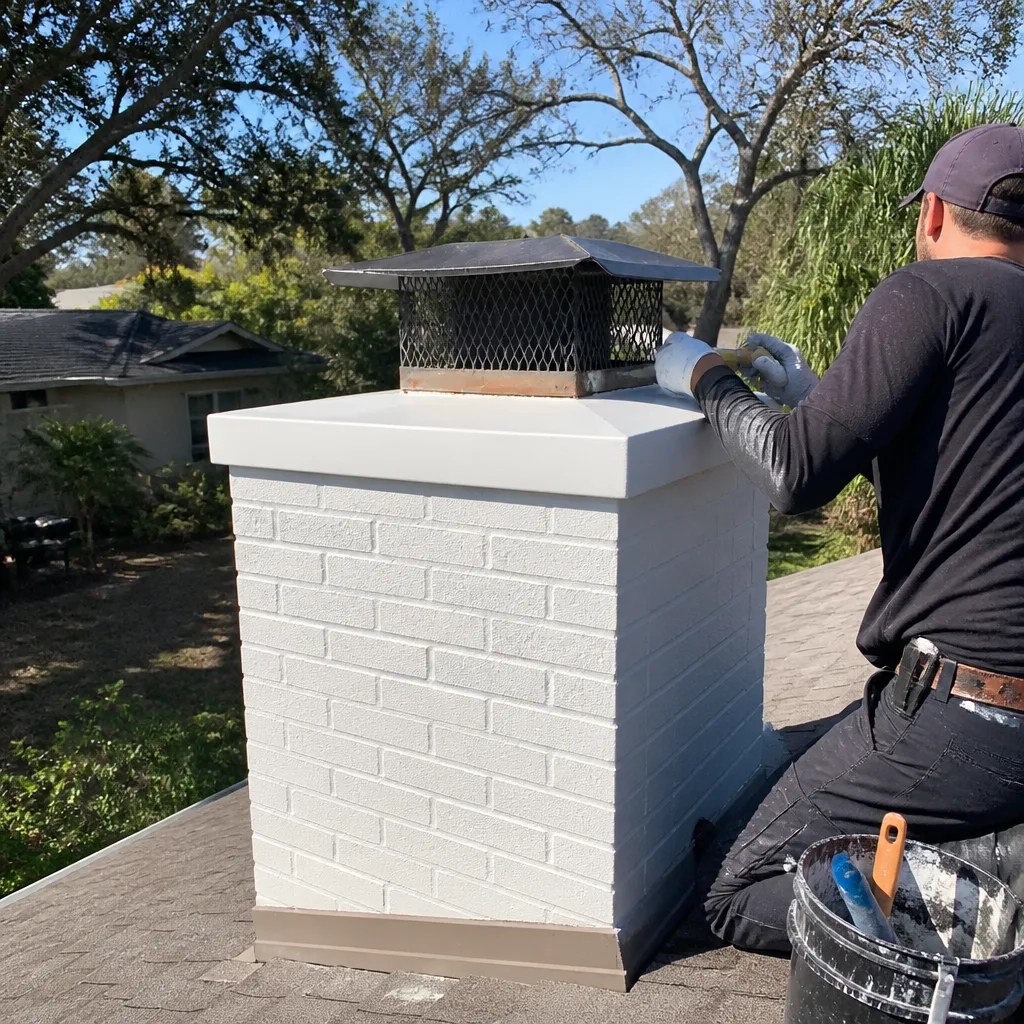
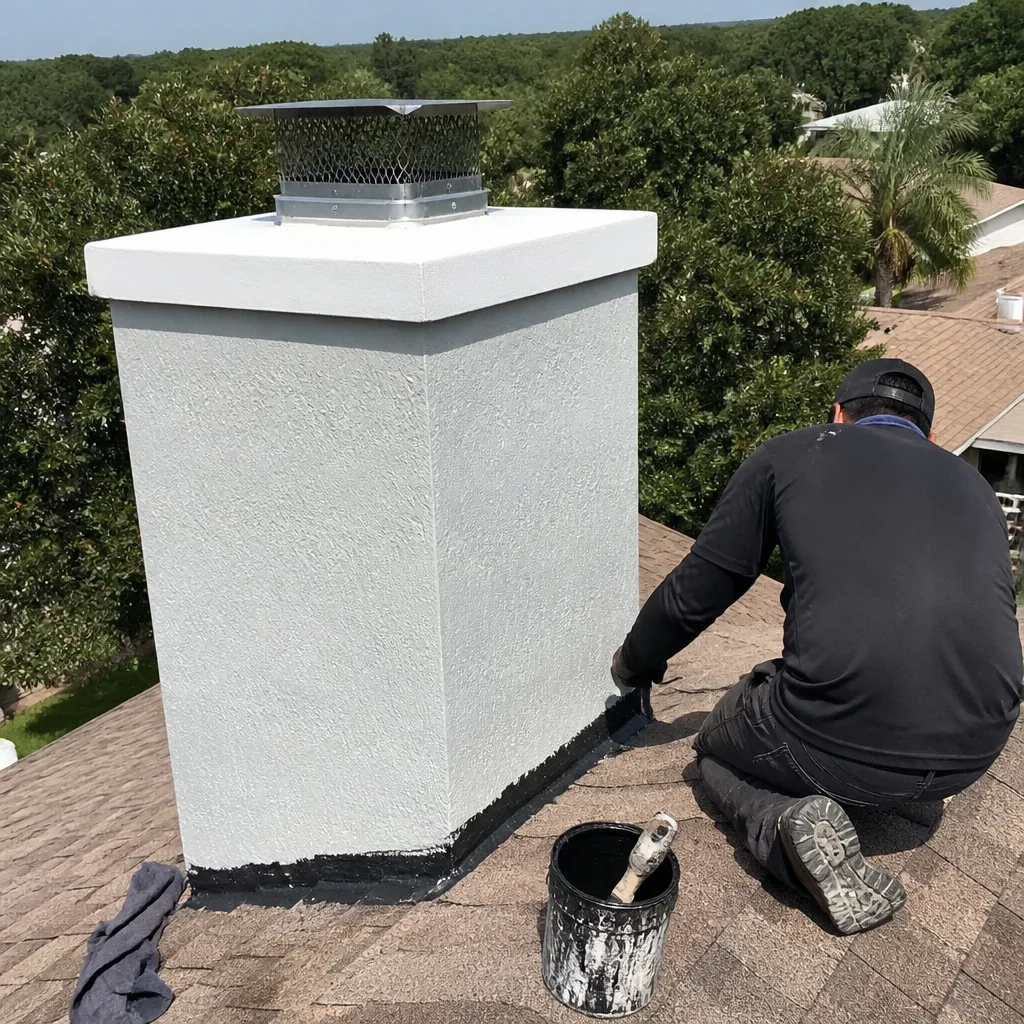
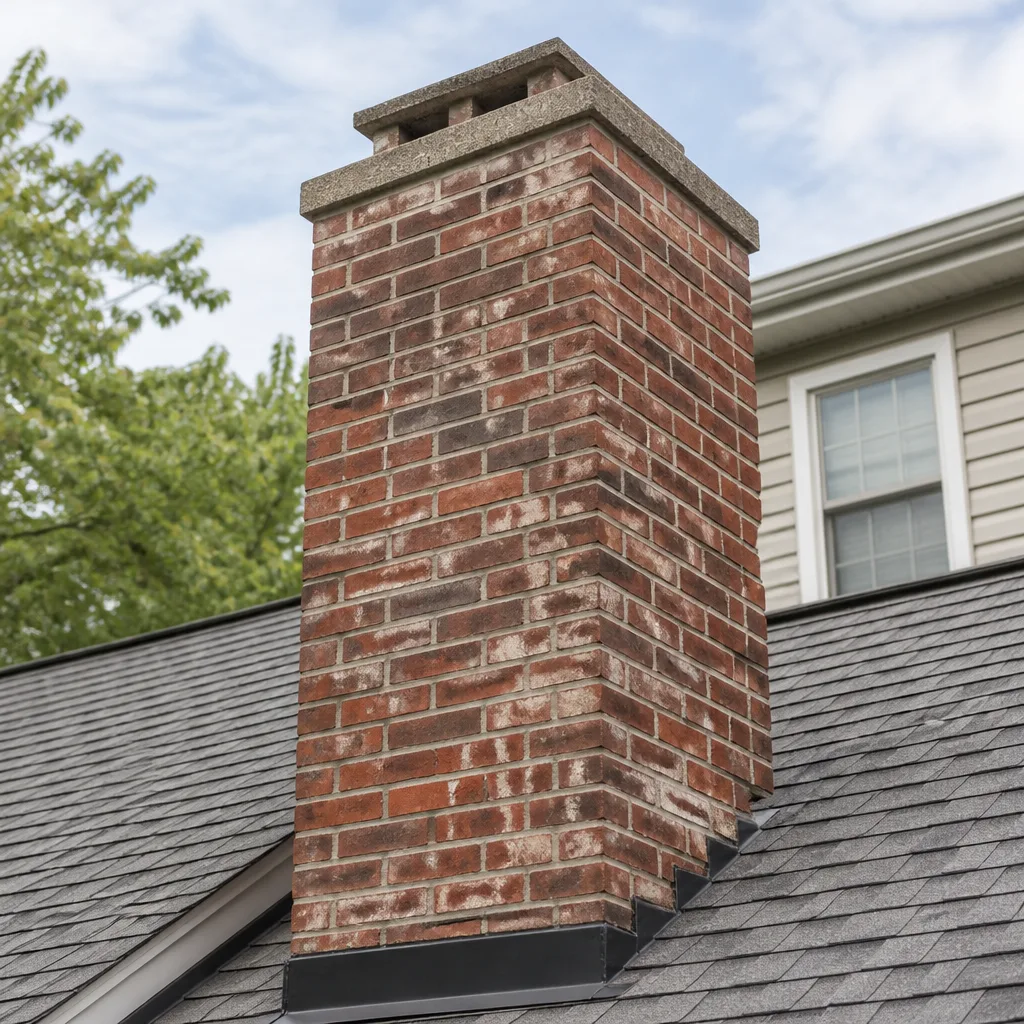 Masonry repair
Level 1 sweep and inspection to the NFPA 211 annual standard - flue, crown, cap, and flashing checked and photographed
Chimney sweep logs do not sweep chimneys. They loosen some creosote - which then falls where a brush and vacuum still have to collect it.
How to Hire a Chimney Cleaning Contractor in Tampa: A Step-by-Step Guide
Florida does not require a state license to clean chimneys. Let that sink in for a second. The person who shows up at your Tampa door could have a professional truck wrap, a clean uniform, and zero formal training, and you would have no way to know unless you knew exactly what to ask. This guide hands you that script. We’ll walk through the credentials that actually matter, the five questions that separate a trained sweep from someone winging it, what a written quote must include to protect you, and how to spot red flags before you ever book. By the time you finish, you’ll know more about hiring a chimney contractor in Tampa than most people learn in a lifetime of owning a fireplace.
Styles & brands we work with
Quick Answer
To hire a chimney cleaning contractor in Tampa, verify their certification (CSIA is the industry standard), ask for a written quote before any work starts, confirm they perform a Level 1 or Level 2 inspection as part of the sweep, and check that they document their work with photos. The chimney trade in Florida has no state licensing requirement, so the burden of verifying qualifications falls entirely on you, the homeowner. A qualified contractor will answer credential questions without hesitation and provide line-item pricing before picking up a brush.
Table of Contents
- Why Florida Is Different: The No-License Reality
- The Credentials That Actually Matter: CSIA vs. NFI
- Five Questions to Ask Before Booking
- What a Written Quote Must Include
- Red Flags in Booking Flows and Phone Calls
- How to Verify a Contractor Using Hillsborough County Permit Records
- Why Photo Documentation Is Non-Negotiable
- Common Mistakes to Avoid
- When to Call a Professional
- Frequently Asked Questions
- The Bottom Line
Why Florida Is Different: The No-License Reality
Most states require chimney sweeps to hold a contractor’s license, a specialty certification, or both. Florida does not. The Florida Department of Business and Professional Regulation does not issue a chimney sweep license, and the state does not maintain a registry of qualified chimney technicians. Anyone with a ladder, a brush set from a hardware store, and a website can market themselves as a chimney cleaning company in Tampa. That is not an exaggeration. It is the market reality.
This creates a specific problem for Tampa homeowners. In a city where Spanish moss grows on roofs, summer humidity accelerates creosote degradation inside flues, and many homes have fireplaces that go unused for months at a time, the stakes are real. A poorly performed sweep can miss a cracked flue liner, fail to remove glazed creosote, or worse, damage the firebox and leave you with a repair bill that dwarfs what a proper cleaning would have cost, as detailed in our Chimney Cleaning Cost Breakdown: The Tampa Homeowner’s Reference for 2026. The absence of state licensing also means that when something goes wrong, there is no state board to file a complaint with. Your only recourse is civil court or the contractor’s own willingness to stand behind their work.
This is why the screening framework in this guide matters. You are not hiring a chimney cleaner the way you would hire an electrician or plumber, both of whom hold state licenses in Florida. You are hiring someone whose competence you must verify yourself, using the right questions and the right documentation. The good news is that the process takes about fifteen minutes once you know what to look for.
We have been doing chimney sweeps in Tampa since 2003, and in our experience, homeowners who ask the right questions before booking are almost never surprised by what happens when the technician arrives.
The Credentials That Actually Matter: CSIA vs. NFI
When you start researching chimney contractors in Tampa, you will see two acronyms appear repeatedly: CSIA and NFI. They are not the same thing, and knowing the difference will help you evaluate any contractor you call.
CSIA Certified Chimney Sweep
The Chimney Safety Institute of America (CSIA) is the most recognized credentialing body in the chimney industry. A CSIA Certified Chimney Sweep has passed a rigorous exam covering chimney physics, fire codes, inspection procedures, and safety standards. Certification requires continuing education to maintain. When a contractor says they are CSIA certified, that is a meaningful signal, but you should still verify it. The CSIA website has a searchable database. It takes under sixty seconds to confirm whether a specific individual holds an active certification. Do not accept a company-level claim without checking the individual tech who will actually be doing the work.
NFI Certification
The National Fireplace Institute (NFI) certifies specialists in three categories: NFI Gas Specialist, NFI Woodburning Specialist, and NFI Pellet Specialist. This credential is narrower than CSIA and focuses on the installation and service of specific fuel types. For a homeowner in Tampa with a wood-burning fireplace, an NFI Woodburning Specialist certification is relevant. For someone with a gas fireplace, NFI Gas Specialist matters. But here is the nuance: NFI certification is not a substitute for CSIA. A contractor could hold an NFI certification for installation work but have no training in the sweeping and inspection side of the trade.
Which One Matters More?
For a cleaning and inspection, CSIA is the credential that matters most. It is specifically designed around the sweep trade. For installations or repair work involving a specific fuel type, NFI adds value. A contractor who holds both is ahead of the curve, but do not dismiss a solid CSIA cert just because NFI is absent. The question to ask is: “Which technician will be doing the work, and what is their certification number?” A qualified professional will give you that number without hesitation. An unqualified one will dodge, deflect, or give you a vague answer about “all our techs are trained.”
At Hadley Chimney Tampa, our technicians carry certifications and, more importantly, we will show you the documentation before you book if you ask. That is not a brag. It is the baseline a professional should meet.
Five Questions to Ask Before Booking
This is the core of the guide. These five questions, asked over the phone or via email before you book, will tell you more about a chimney contractor in Tampa than a hundred five-star reviews. A qualified technician answers them immediately and specifically. An unqualified one will stall, generalize, or get defensive.
Question 1: “Are you CSIA certified, and what is your certification number?”
A qualified answer sounds like: “Yes, my CSIA number is 1234, and you can verify it on the CSIA website.” An unqualified answer sounds like: “We follow all CSIA standards” or “Our techs are fully trained.” Notice the dodge. They are affirming adherence to standards without claiming certification. Ask for the number.
Question 2: “What level inspection will you perform, and what does it include?”
The chimney industry recognizes three inspection levels. Level 1 is the standard inspection performed during a routine sweep. It covers the readily accessible portions of the chimney interior and exterior. Level 2 adds video scanning and is required when there is a change in fuel type, a property sale, or an event like a chimney fire. Level 3 is destructive inspection, used only when a Level 2 reveals serious concerns. A contractor who cannot explain this in thirty seconds does not know the inspection standards they are supposed to be following.
Question 3: “Will I receive a written price before any work starts?”
This should be an immediate yes. A qualified contractor in Tampa will commit to upfront pricing in writing, with line items for the sweep, the inspection, and any recommended repairs. If the answer is “we’ll see when we get up there,” find another contractor. Verbal quotes are how homeowners end up paying double what they expected once the tech is already on the roof.
Question 4: “Will you document the work with photos?”
A sweep who refuses to take photos is hiding something or cutting corners. Before and after photos of the flue, firebox, and any problem areas are the only way to verify that the work was actually done and to see what the technician saw. We have worked on chimneys in Tampa where the homeowner had paid another company for a sweep six months earlier, and the creosote buildup was consistent with a chimney that had not been touched in years. Photos protect you from paying for work that never happened.
Question 5: “Does your quote include a written warranty on any repairs?”
A qualified contractor who stands behind their work will put the warranty in writing. Every repair we perform at Hadley Chimney Tampa includes a written guarantee, and if the repair fails within 365 days, we come back and make it right at no charge. That is the 365-Day Done Right Promise, and it is not a promotion. It is how we have operated since 2003. If a contractor cannot tell you exactly what their warranty covers and for how long, that is a problem.
What a Written Quote Must Include
A verbal quote is not a quote. It is a negotiation starter. In the chimney trade, the difference between a verbal estimate and a written quote is often the difference between a predictable service and an invoice that doubles once the work is underway. Here is exactly what a legitimate written quote from a Tampa chimney contractor must include.
- Inspection level: The quote should state whether it is a Level 1 or Level 2 inspection. If it does not specify, the contractor either does not know the terminology or does not want to be held to a standard.
- Line-item pricing: The base sweep cost, the inspection fee, and any diagnostic work should be listed separately. A single lump sum without breakdown makes it impossible to compare quotes or understand what you are paying for.
- Scope of work description: The quote should say in plain language what the technician will do: sweep the flue, inspect the firebox, check the cap and damper, and provide a written report. Vague language like “full chimney service” is not a scope.
- Photo documentation commitment: The quote should state that before and after photos will be provided. This is now standard for professional work and protects both parties.
- Warranty language: If any repairs are quoted, the warranty terms should be in writing: what is covered, for how long, and what happens if the repair fails. At Hadley, our written guarantee covers every repair for 365 days with a free second visit if it fails.
- Material specifications: If repairs involve replacing components such as a flue liner or chimney cap, the quote should name the brand. We use DuraFlex flexible liner systems, HeatShield ceramic repair compound, and Olympia Chimney accessories because these are the materials chimney professionals rely on, not whatever is cheapest on the truck. If a contractor will not tell you what brand of liner they are installing, walk away.
A written quote that lacks these elements is a red flag, regardless of how professional the contractor seems in person. You need the details on paper before anyone picks up a brush.
Red Flags in Booking Flows and Phone Calls
Most guide articles focus on red flags you see in person, when the technician is already at your home. That is too late. The real screening happens before you ever book, in the phone call or the online booking flow. Here are the specific red flags that show up early, before a technician ever sets foot on your Tampa property.
Vague Pricing Ranges
“Chimney sweeps typically run $150 to $500 depending on the job.” That range is useless. It is wide enough to drive a truck through, and it gives the contractor room to name any number once they are at your house. A professional can give you a firm base price for a standard sweep and inspection over the phone. If they cannot, they are either inexperienced or intentionally keeping the door open for an upsell.
No Mention of Inspection Levels
If a contractor’s website or phone representative never uses the term “Level 1 inspection” or “Level 2 inspection,” that is a problem. The level system is the industry’s core framework for what a chimney inspection covers. A contractor who does not reference it is either untrained or assumes you will not know the difference. Either way, you deserve better.
No Photo Policy
Any contractor who says they do not take photos, or that photos are only available “on request,” is waving a red flag. Photo documentation is cheap, fast, and standard practice for any professional in 2026. We have built our entire service around the principle that homeowners deserve to see what the technician sees, which is why every job at Hadley Chimney Tampa includes before and after documentation as part of The Relay Visibility Guarantee.
Pushy Sales Tactics on the Phone
A contractor who pressures you to book immediately, offers a discount “only if you schedule today,” or uses countdown timers is a contractor who needs volume more than they need satisfied customers. Qualified, busy chimney sweeps in Tampa do not need to create artificial urgency. They are booked because they are good.
No Physical Address or Company History
If the contractor’s website has no physical address in the Tampa area, no company history, and no named owner, be suspicious. A legitimate local business has roots. We have been serving Tampa since 2003, and our name, our owner (Cory Mitchell), and our contact information are all public and easy to verify.
Refusal to Answer Credential Questions
Already covered in the five questions section, but worth repeating: a contractor who dodges the certification question on the phone is a contractor who will dodge responsibility later. The phone call is the first test. If they fail it, do not give them a second chance to fail in your living room.
How to Verify a Contractor Using Hillsborough County Permit Records
Here is a step the vast majority of guide articles never mention, and it is one of the most powerful tools you have as a homeowner in Tampa, especially given the complexities of Chimney Cleaning Permits, Codes & Inspections in FL: What You Need to Know. Hillsborough County maintains public permit records for building work performed in the county. If a contractor has done chimney repairs that required a permit, those permits are on file. If they have never pulled a permit, that tells you something too.
What Work Requires a Permit
Not all chimney work requires a permit in Hillsborough County. Routine sweeping and Level 1 inspections do not. But structural repairs, such as rebuilding a firebox, replacing a flue liner, or repairing a chimney crown, typically require one. A professional contractor will pull the permit and include the cost in their quote. A contractor who avoids permits is cutting corners and potentially leaving you with unpermitted work that will haunt you when you sell the house.
How to Check
- Visit the Hillsborough County Building Services website and locate the permit search tool.
- Search by contractor name or by the address where work was performed.
- Look for chimney-related permits. Search terms like “chimney,” “fireplace,” or “flue” can help filter results.
- If the contractor claims to do significant chimney repair work but has zero permits on record in Hillsborough County, ask them directly: “Do you pull permits for structural chimney work, and can you show me examples of permits you have pulled?”
This step takes ten minutes and tells you whether the contractor has a history of doing legitimate, permitted work in the Tampa area. A contractor who has been operating for years without a single permit for structural chimney work is either doing nothing but basic sweeps, which is fine if that is all you need, or they are doing unpermitted structural work, which is a problem.
If you need chimney repair in Tampa that involves structural work, the permit question is not optional. It is a critical part of the screening process.
Why Photo Documentation Is Non-Negotiable
We have touched on photos already, but this point deserves its own section because it is so often overlooked. A chimney sweep happens inside a dark, narrow flue that you will never see with your own eyes. You are paying for work that happens in a space you cannot inspect. Without photos, you are paying on faith.
What the Photos Should Show
- Before photos of the flue interior: You should see creosote buildup (the flammable tar residue that accumulates from burning wood) before the sweep begins. If it is glazed and shiny, that is third-degree creosote, the most dangerous type.
- After photos of the flue interior: The same area should look clean, with the flue liner visible and no significant creosote remaining.
- Photos of the firebox and damper: These components wear out over time and should be documented.
- Photos of the exterior: The chimney cap, crown, and flashing should be photographed, especially if there is any sign of water damage or rust.
- Photos of any problems found: If the technician identifies a cracked liner, a damaged crown, or a failing damper, there should be a photo showing exactly what they saw.
This is the standard we have built at Hadley Chimney Tampa under The Relay Visibility Guarantee. Every job, not just the big ones, includes live arrival tracking, before and after photo documentation, and a written price before work begins. That is what a modern homeowner should expect from any chimney contractor in Tampa. If a contractor will not provide photos, ask yourself why they want to be the only one who sees the work.
Common Mistakes to Avoid
- Hiring based on price alone. The cheapest sweep in Tampa is usually cheap for a reason. An underpriced sweep either skips steps, lacks training, or plans to make up the difference with repair upcharges once they are at your home. A fair price with a written scope is worth more than a low price with a vague promise.
- Skipping the certification check. Many homeowners assume that anyone who shows up with a brush is qualified. In Florida, with no state licensing requirement, that assumption is dangerous. Verify CSIA certification on the CSIA website before you book, not after the tech arrives.
- Accepting a verbal quote. If the price is not in writing before work begins, you have no protection. A written quote with line items is the only thing that prevents a $200 sweep from becoming an $800 bill.
- Ignoring inspection levels. A Level 1 inspection during a routine sweep will catch obvious problems, but a Level 2 video scan is the only way to see what is happening deep inside the flue. If your home has not had a Level 2 inspection in years, or if you just bought the house, insist on one.
- Not asking about warranty terms. A contractor who will not put a warranty in writing is telling you something about how they handle problems after the job. Every repair at Hadley Chimney Tampa carries a written guarantee with a free second visit if it fails within 365 days. That is the standard you should expect.
- Forgetting the permit check. For structural chimney work, permits matter. Skipping the permit check means you could be paying for unpermitted work that complicates a future home sale. Hillsborough County records are public and searchable. Use them.
- Hiring without photo documentation. Paying for a chimney sweep without before and after photos is like paying for an oil change without checking the dipstick. You are trusting a process you cannot see with an outcome you cannot verify. Do not do it.
When to Call a Professional
Some chimney issues are obvious. If you smell smoke in the house when the fireplace is not in use, see visible creosote buildup, notice water stains on the ceiling near the chimney, or have a gas fireplace that will not stay lit, call a professional immediately. Less obvious signs include a damper that sticks or will not close, white staining on the exterior brick (efflorescence, a sign of water intrusion), or a musty smell coming from the firebox. If your home in Tampa has a fireplace that has not been swept in over a year, or you just bought a house and do not know the chimney’s history, a Level 2 inspection is the right call. Hadley Chimney Tampa offers free estimates in Tampa. Call (850) 790-3475 to schedule. We answer the phone with a live person, 24/7.
Frequently Asked Questions
A standard chimney sweep and Level 1 inspection in Tampa typically runs between $180 and $340 depending on the fireplace type and accessibility. A Level 2 inspection with video scanning adds $150 to $300. Repairs such as a new flue liner or chimney cap are additional and should always be quoted in writing before work begins. Call (850) 790-3475 for an exact quote, and our estimates are free.
No. Florida does not require a state license for chimney cleaning, which means anyone can market themselves as a chimney sweep in Tampa. This is why verifying CSIA certification and asking the five screening questions in this guide is essential. The credential check protects you when the state will not.
A Level 1 inspection covers the readily accessible parts of the chimney during a routine sweep, including the flue interior, firebox, damper, and exterior. A Level 2 inspection adds video scanning of the entire flue and is recommended when there is a change in fuel type, a property transfer, or a suspected problem. Most Tampa homeowners with regular yearly sweeps only need a Level 1, but a Level 2 is smart after buying a home.
The National Fire Protection Association recommends a chimney inspection at least once a year, and a sweep whenever creosote buildup reaches 1/8 inch or more. For Tampa homeowners who use their fireplace seasonally, an annual sweep before the burning season is the standard, as covered in our Seasonal Chimney Cleaning Care for Tampa: Year-Round Homeowner’s Guide. If you use the fireplace more than a few times a week, you may need a mid-season sweep as well.
Creosote continues to build up inside the flue, and if it reaches a third-degree glazed state, it becomes highly flammable and can fuel a chimney fire. Even in Tampa’s mild climate, a chimney fire can exceed 2,000 degrees and crack the flue liner, allowing heat and gases into the home’s structure. Skipping a sweep also means small problems like a cracked cap or deteriorating mortar go unnoticed until they become expensive repairs. Call (850) 790-3475 if it has been more than a year since your last service.
Gas fireplaces do not produce creosote, but they still require annual inspection for venting issues, gas leaks, and component wear. The inspection process differs from a wood-burning sweep, and a technician should have specific gas fireplace training. At Hadley Chimney Tampa, we offer gas fireplace repair in Tampa as a core service, with the same written pricing and photo documentation standards as our chimney work.
The Bottom Line
Hiring a chimney cleaning contractor in Tampa comes down to one core principle: verify everything, assume nothing. Florida’s lack of state licensing means you are the quality control, and the five questions, written quote requirements, and permit check in this guide give you the framework to screen any contractor in about fifteen minutes. Ask for certification numbers, insist on written line-item pricing, demand photo documentation, and check Hillsborough County permits for any structural work. A qualified professional will welcome every one of these requests. An unqualified one will resist them. That resistance is your signal to move on.
Written by Cory Mitchell, Owner at Hadley Chimney Tampa, serving Tampa since 2003.
See the difference
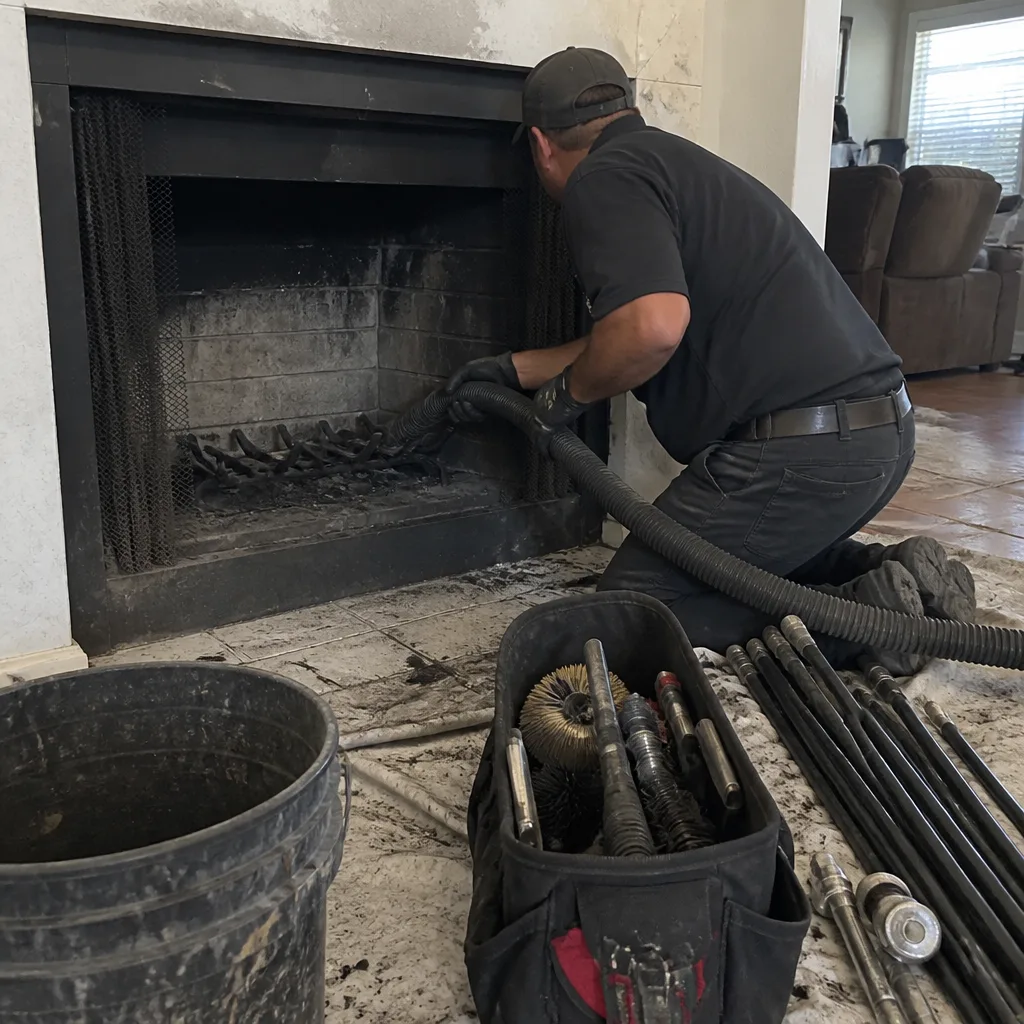 Before
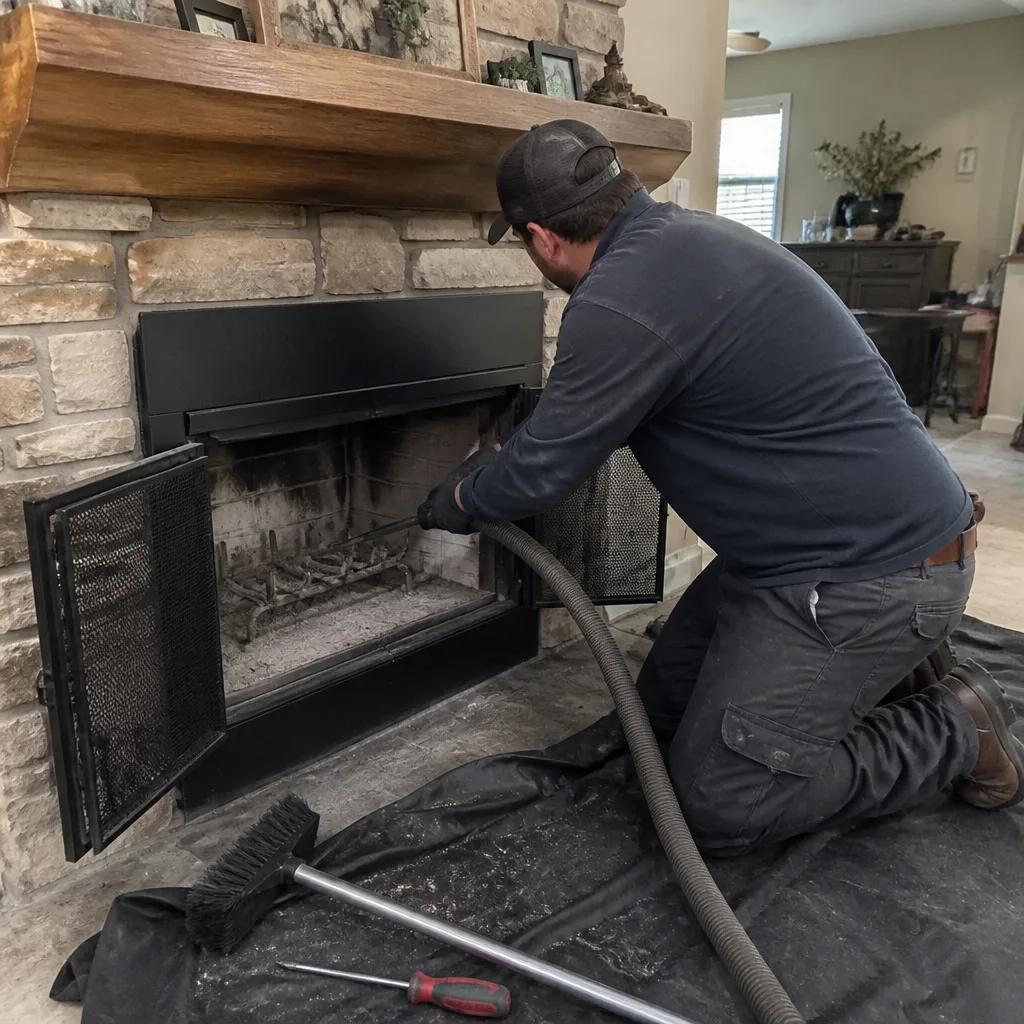 After
After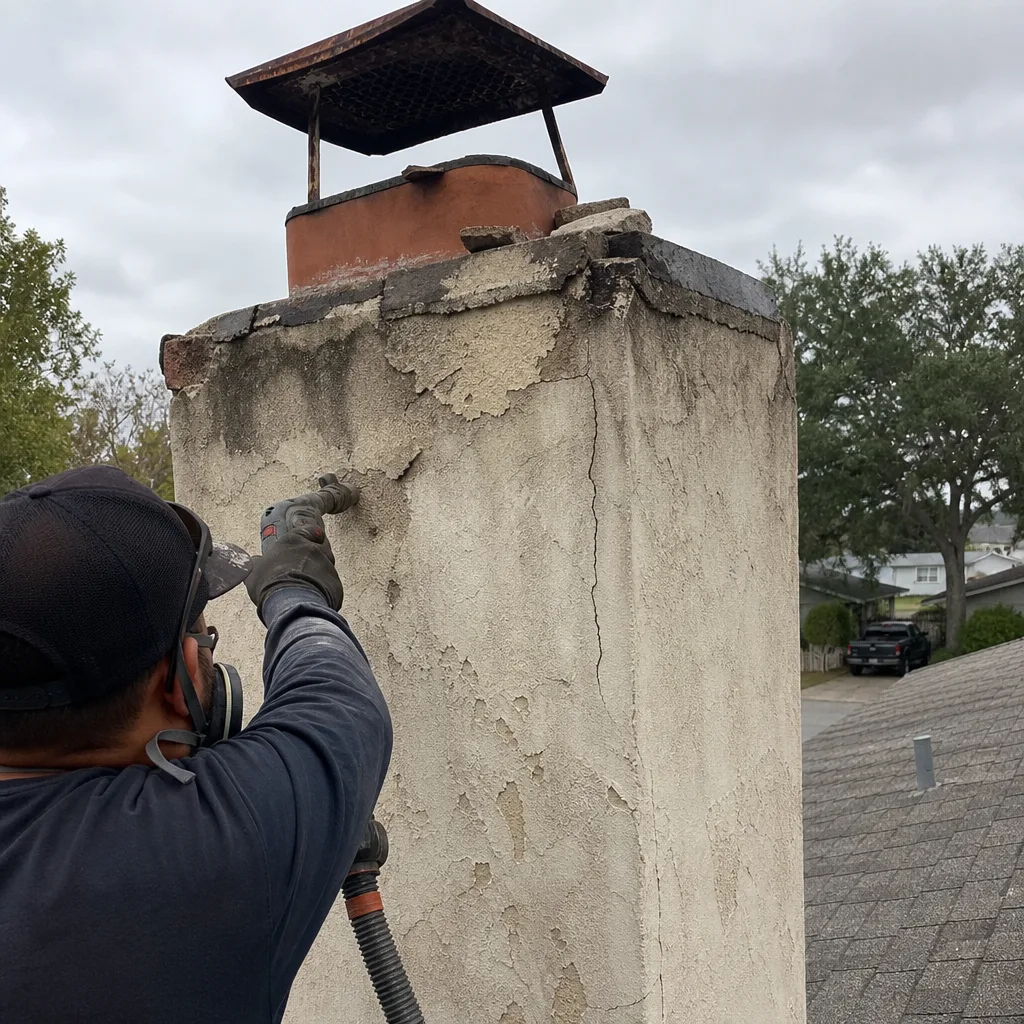 Before
 After
After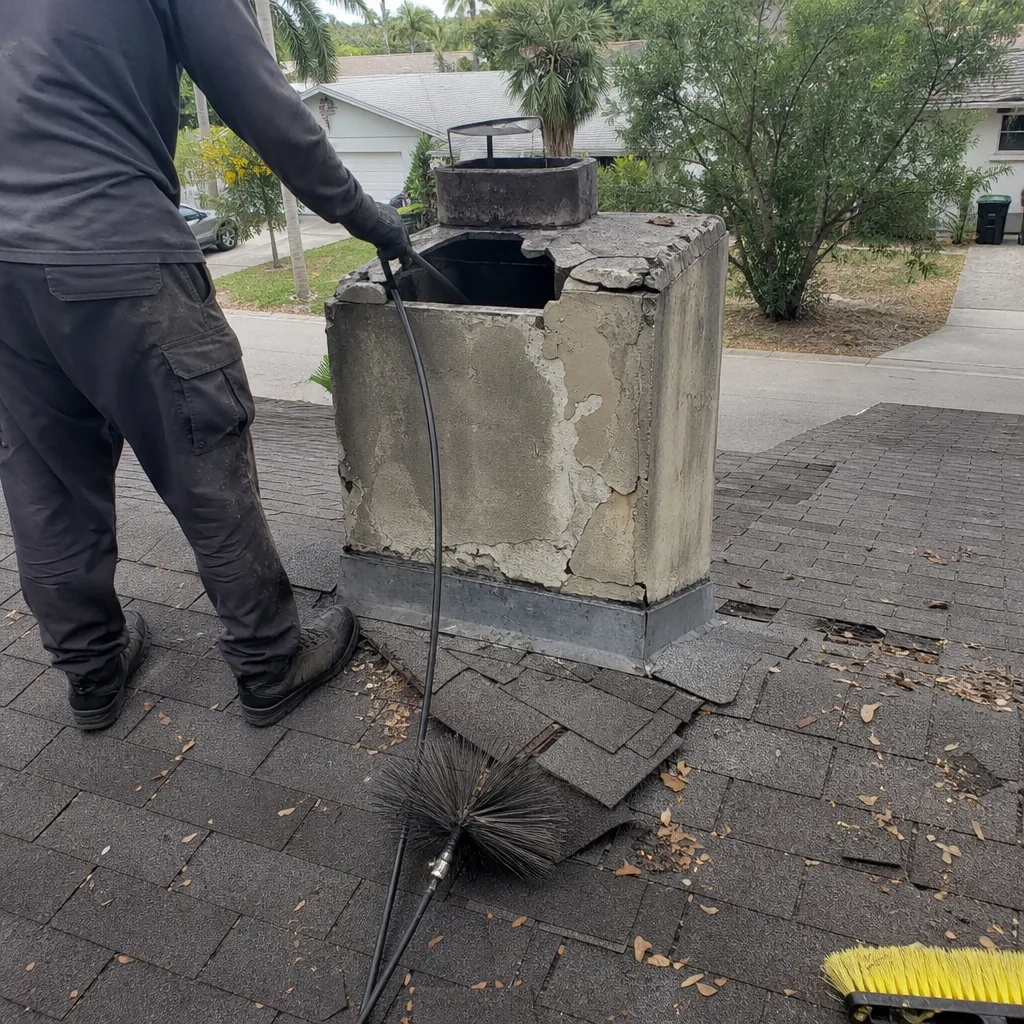 Before
 After
After